Property
Osaka’s Housing Market Exposes Gap Between Stand-Alone Houses and Apartments
Detaching house prices have surged ahead of units in the last year, raising questions for buyers and investors across key Osaka wards.
4 min read
Property
Detaching house prices have surged ahead of units in the last year, raising questions for buyers and investors across key Osaka wards.
4 min read
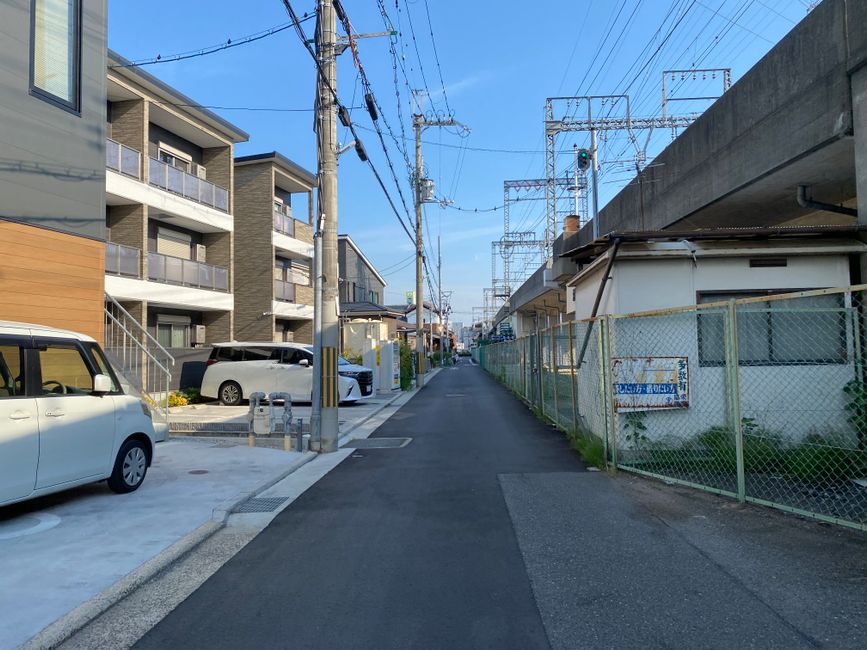
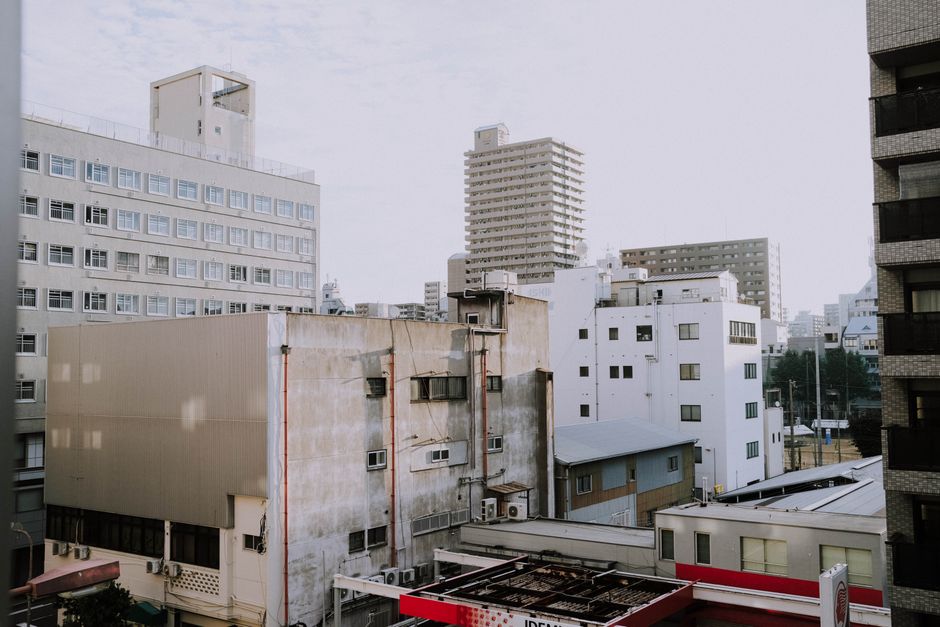
Detached houses in Osaka have climbed almost 11% in value over the past twelve months, while apartment prices have stalled, according to the latest data from Kansai Real Estate Research. The divergence is sharpest in districts like Abeno and Sumiyoshi, where traditional homes on their own land have become intensely sought-after, outpacing the modest gains—or even slight declines—seen for multi-unit buildings.
The stakes are rising for buyers trying to decipher their options in a city where ‘one size fits all’ never rings true. Typically, Osaka’s real estate market moves in tandem between standalone homes (kodate) and apartments (manshon). But a constellation of pressures—ranging from demographic shifts to extreme weather warnings—is rewriting local patterns as summer heats up and buyers focus not only on investment returns but also resilience and livability.
The price divergence is most visible in Minami (South) Osaka and select north-side corridors. On streets off Tennoji’s Tanimachi-suji, home shoppers are finding detached house listings hovering just below ¥75 million—a climb from ¥68 million at the midpoint of 2025, reports agency NextHome Oyodo. Meanwhile, two-bedroom units in neighbouring Abeno Harukas tower sold for an average of ¥59 million last quarter, a mere 1.2% increase from the previous year. Sanko Estate’s latest bulletin confirms that high-rise unit prices in Umeda have slowed, rising less than 0.8% since July 2025, as rising levies on building maintenance eat away at perceived value.
"There’s a premium now on land and privacy," said a manager at Nankai Realty, referencing longer search times and quick sales of homes near parks such as Nagai Koen. Factors fueling the rush include a wave of young families aiming to lock in yards and flexible floor plans, as well as investors hedging against inflation with land-linked assets. Conversely, the spate of new unit supply in Naniwa and Fukushima wards—over 2,600 units delivered since last summer, according to Realnet—has flattened prices in Osaka’s vertical housing sector. Empty-nest sellers, stung by news of stagnant unit growth, are holding firm in listing negotiations or pulling apartments off the market pending better conditions.
Official figures from Osaka City Hall’s June 2026 property survey show the average detached home price citywide reached ¥62.8 million, up from ¥56.7 million one year earlier. Apartment averages, by contrast, stand at ¥47.2 million, up less than 1%—the smallest annual rise in over six years. Analysts at Daiwa House cite climate adaptation upgrades and urban garden demand as part of the reason, with buyers weighing the cost of future-proofing their investments in a period shadowed by excess heat and extreme weather elsewhere in the region.
Market watchers are warning that the inventory of new houses, especially those within walking distance of subway lines like Midosuji in Yodogawa, is shrinking rapidly. Several agents pointed to last autumn’s land lot releases in Hirano as evidence: half the parcels sold in less than three weeks, a speed rarely seen pre-pandemic. By comparison, unit sales in high-density Nishinari have slowed measurably, with months-on-market rising to 4.1 in June, up from 2.7 one year ago.
Buyers and investors alike face a new calculation in Osaka this summer: move fast on detached housing—or bide time until the next wave of urban apartments adapts to shifting needs. With the government pledging updated zoning incentives in December—and more developers hinting at hybrid townhome launches in Tennoji for 2027—analysts expect these gaps to persist for at least another year. For now, securing a house in central Osaka may be pricier than ever, but the market’s lesson is clear: the value of land, and how people want to use it, is setting the city’s new real estate tempo.
Property
Property
Property

Property
About this article
Published by The Daily Osaka
Spread the word
Daily brief
Free, in your inbox before 7am. Weekdays.
The Daily Network — local news across Australia