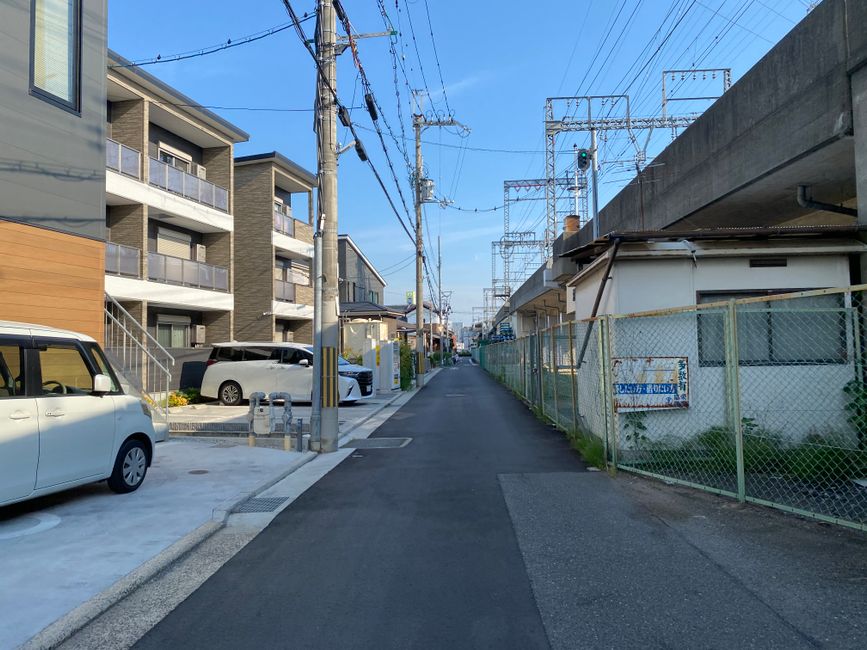
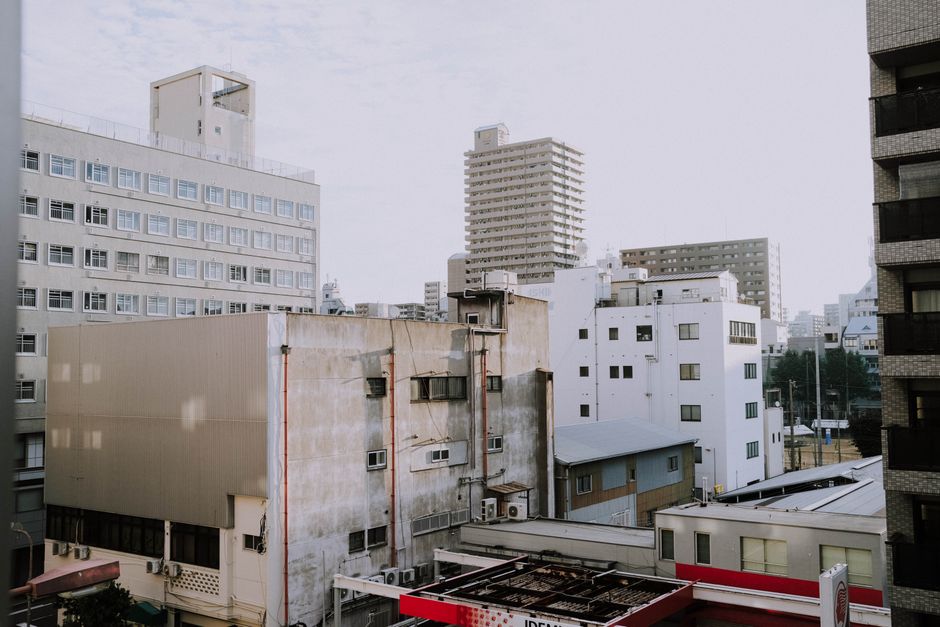
Neyagawa’s property market is catching fire. The city’s north-eastern belt, once known for its steady but unremarkable pace, is now home to some of Osaka’s fastest rising land prices, newly completed rail and road projects, and a fresh wave of residential developments targeting young families and city commuters.
Why This Matters Now
The stakes are high for Osaka’s wider metropolitan future. As central Osaka faces supply limits and ultra-premium prices—apartment asking prices in Umeda and Nishi-ku are now averaging ¥98 million, up 24% since 2021—attention from both homebuyers and investors is shifting to the outer ring. Neyagawa, straddling the junction of Route 1 and the Keihan Main Line, is drawing major attention with its twin advantages: upgraded connectivity and lower price entry points.
Local agents point to the just-finished Neyagawa Station redevelopment—an ¥11.5 billion project completed in March, with direct pedestrian links to the new Aeon Town shopping precinct—as a turning point. Keihan Electric Railway rolled out express services halving the commute from Neyagawa to Yodoyabashi to under 21 minutes. Meanwhile, Hanaten Logistics Park, another major build on the city’s edge, is fuelling jobs and drawing small business tenants from central Osaka’s high rents. The government’s Sakai-Suita Rapid Road works, still on track for late 2026 completion, promise even easier east-west access.
Concrete Data and New Players
Figures from the Osaka Prefecture Real Estate Transaction Center show the average condo price around Neyagawa-shi Station has risen 14% year on year, hitting ¥43 million in May 2026. Vacant lot transactions are at their highest since 2017, with 379 residential lots sold in Q2 alone, according to the Neyagawa City Office. AEON’s new flagship mall, opened in April, saw foot traffic surpass 50,000 per day in its first week—numbers typically associated with stations further inside the city loop. Local developer KaedeHome has sold out two blocks near Kori-no-Sato Park before completion; the next phase, along Sakura-dori Avenue, is already oversubscribed.
Rental data backs up the trend. According to realestate.co.jp, average rents for two-bedroom apartments in Neyagawa now reach ¥92,000 a month, up 13% from last summer. But compared to the eye-watering rates in Tennoji or Minato—where new-build two-bedrooms routinely top ¥170,000—Neyagawa remains a haven for first-time homebuyers and mid-range investors.
“Osaka is changing faces,” said one senior analyst at the Kansai Urban Policy Institute. “We’re seeing families, remote workers, and yield-focused investors all moving further out as infrastructure gives them more freedom. Neyagawa is at the center of that shift.”
What Comes Next for Buyers
Neyagawa is primed for further growth as construction cranes move east and new services come online. The city office has greenlit three more mid-rise apartment complexes near Kayashima Shrine and will open two new elementary schools by 2028 to accommodate the influx of younger residents. Investors looking to buy in are watching upcoming land auctions along Shinmei-dori, with minimum bids starting at ¥14.2 million for 100 sqm parcels—a price not seen this close to major rail since 2019.
For home seekers, the window is narrowing as Neyagawa’s boom accelerates. Analysts recommend buyers focus on transport-accessible pockets within a kilometer of the station or make early moves on apartments hitting the market before the expected next round of price rises in spring 2027. For many, Neyagawa is no longer just affordable. It’s leading the pack in Osaka’s new chapter of suburban growth.