Property
Osaka’s Homes and Units Are Moving in Opposite Directions—Here’s Why It Matters
Detached house prices keep climbing while unit values lag, shifting the balance in neighbourhoods from Sumiyoshi to Umeda.
3 min read
Property
Detached house prices keep climbing while unit values lag, shifting the balance in neighbourhoods from Sumiyoshi to Umeda.
3 min read
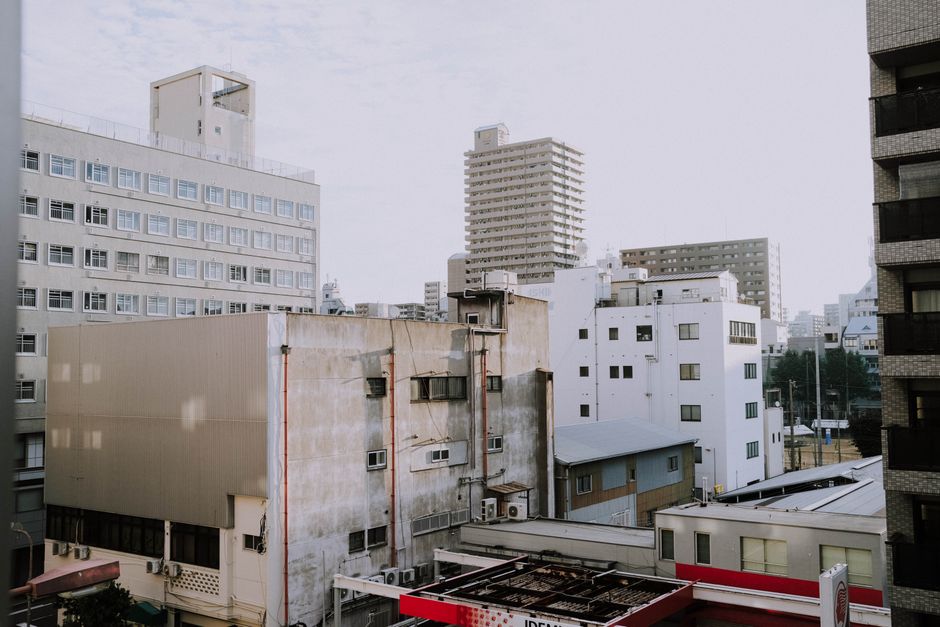
House prices in Osaka jumped 8.2% over the past year, while units—or manshon—barely nudged up 1.7%, the sharpest divergence the city has seen in almost a decade according to data released this week by the Kansai Real Estate Information Center.
That matters for buyers, investors and renters alike. The widening gap is not just an anomaly—it’s reshaping household decisions, investor strategies and Osaka’s urban mix at a crucial time. Severe summer heat is driving families to seek out larger, better-ventilated homes with outdoor space. Meanwhile, persistent economic uncertainty has made the relative affordability of units more attractive, but not enough to bridge the price divide.
Take a stroll through Sumiyoshi-ku on a steamy July afternoon, and 'For Sale' boards outnumber open windows. New houses along Nagai Koen-dori Park are being snapped up by young families, who want space to escape the dense city heat. Estate agent Hashimoto Realty in Namba reported that detached home sales in the southern wards have surged since February, as buyers chase cooling breezes and private gardens—a direct response to Osaka’s relentless summer.
Contrast this with the tower blocks rising near Osaka-Umeda Station. The skyline is changing, but the demand for high-rise units isn’t as strong as expected. Many new-build apartments between Dojima and Oyodo-minami are sitting on the market longer. According to Chuo-ku based agency UrbanPlan Osaka, several towers in the Grand Front Osaka complex have seen listing times double since last year.
Kansai Real Estate Information Center’s June figures show the average detached house in Osaka now costs ¥49.3 million (up from ¥45.5 million in mid-2025), driven primarily by neighborhoods in Abeno and Tennoji where land remains in short supply. The average unit, by contrast, has reached ¥32.6 million—a modest increase from ¥32.0 million—despite big launches like Tower Residence Shin-Osaka bringing over 300 units to market since April. Supply-side issues are also at play: construction delays and materials shortages have slowed house completions, making existing homes even more valuable.
Sociologists at Osaka City University point to shifting demographics—more three-generation households, and couples delaying moves to the suburbs as work-from-home becomes standard in companies like Nissay and Sharp. This has propped up demand for larger, detached homes even as the unit market flattens. Meanwhile, first-time buyers hoping for a softening market are left chasing limited stock and increasing prices, especially in inner-city pockets near Osaka Castle and along Tanimachi-suji.
For investors, the picture is complicated. Rental yields on units remain stable (averaging 4.1% in Spring 2026), but capital growth is stalling. Houses promise stronger long-term gains, but entry costs and tax burdens are far higher. Agencies like Daiwa House Group advise investors to weigh location more carefully than ever: sought-after school districts near Tennoji, for example, are seeing double-digit price growth, while several Umeda apartment towers report vacant investor-owned units.
Looking ahead, more divergence could be on the cards unless something gives—whether it’s policy intervention, fresh government house-building grants, or a sudden economic turnaround. For now, anyone hunting for value in Osaka needs to dig deep into ward-by-ward data and juggle family needs, commuting patterns and amenities. This summer’s real estate market is anything but one-size-fits-all, and with the next round of property taxes due in September, buyers have little time to waste.
Property
Property

Property

Property
About this article
Published by The Daily Osaka
Spread the word
Daily brief
Free, in your inbox before 7am. Weekdays.
The Daily Network — local news across Australia