Property
Osaka First-Home Buyers Return to Market – and Hunt for Entry Points Narrows
Rising mortgage rates and fierce competition tighten options for new buyers in hotspots like Abeno and Suminoe.
3 min read
Property
Rising mortgage rates and fierce competition tighten options for new buyers in hotspots like Abeno and Suminoe.
3 min read
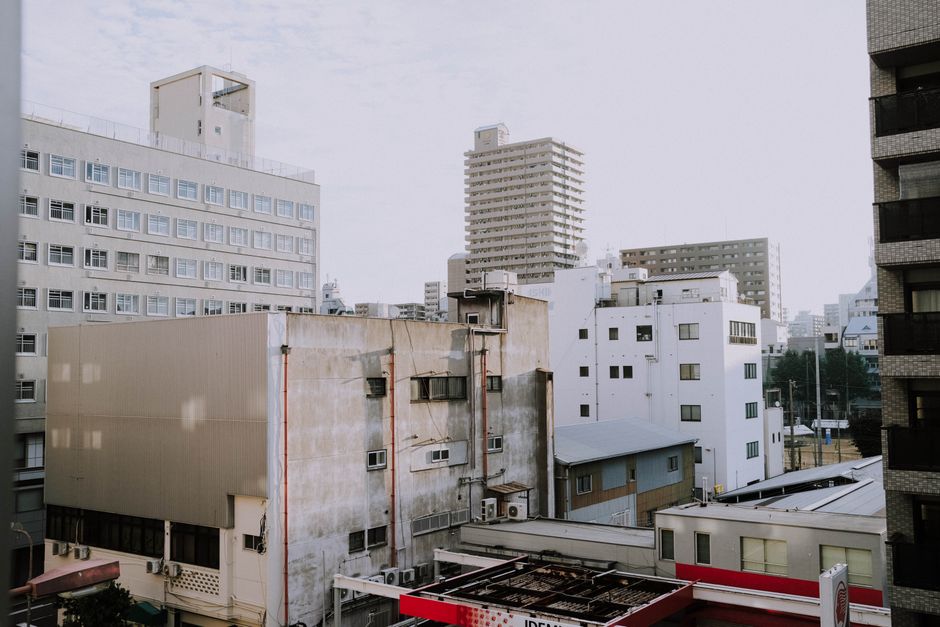
The number of first-home buyers signing contracts for new and existing apartments in Osaka city ticked up 9% in the April-June quarter, according to fresh data from Real Estate Economic Institute Japan. That marks the first quarterly rise since late 2023—offering some hope for young families and professionals hoping to stay in the city, but entry-level options are narrowing quickly.
This boost in activity comes just as rising borrowing costs and tight supply have made headlines in Japan’s major cities. With the Bank of Japan ending its negative interest rate policy in March, fixed mortgage rates at megabanks like Sumitomo Mitsui and MUFG crossed 2% for 35-year loans last month—the highest since 2013. For those trying to get on the property ladder, spotting true bargains has become a race against time.
Local estate agents report new buyers are concentrated in areas such as Abeno, driven by proximity to Tennoji’s massive transport hub and public amenities. Homes under ¥50 million within walking distance of Abeno Harukas and the expanded Kintetsu department store barely last a week online. "We saw more applicants under 35 than any time this year," one Jutaku-soko agent said. On the city’s southern edge, flats near Suminoekoen Station are also under pressure, as families chase listings close to schools and parkland in Suminoe-ku. The Osaka Municipal Government’s first-buyer subsidy, retooled in April, now covers up to ¥2 million for eligible families—contributing to short-lived listings in these pockets.
The average transaction price for a newly built condo in central Osaka came in at ¥64.8 million in May, Real Estate Economic Institute data shows—a 6% jump year-on-year. Existing apartments in Nishinari and Higashisumiyoshi offered the few realistic entry points below ¥40 million this spring, but many of those were snapped up by singles and couples using bridge loans. The city’s First-Home Purchase Consultation Center reported a record 380 client meetings in June, up from 297 a month earlier. According to February’s Kansai Fudosan Databank survey, only about 15% of city-centre listings fell below the key ¥45 million mark that signals typical affordability among two-income households earning under ¥9 million a year.
Those hoping for relief face little respite. Naniwa’s planned Namba South Tower development will debut sales later this year, but most units will start north of ¥65 million. First-time buyers are now looking further west to Taisho and Konohana Wards, where older stock still trades at ¥35–42 million for 65–70 sqm units—albeit needing major renovation.
Competition is set to intensify through summer, especially in neighbourhoods within a 10-minute walk of major subway stops. Local mortgage advisors urge new entrants to assemble their documents early and look for homes listed by trusted city brokers like Chuo Estate and Daikyo Anabuki—who have the fastest notification of new listings. Experts predict moderate price growth in the second half as supply remains tight, but buyers willing to compromise on building age and commute times still have opportunities in less-hyped areas such as Hirano and Ikuno. For now, those on the brink will need to move fast—and possibly rethink traditional notions of "entry level" if they want to call Osaka home.
Property
Property

Property

Property
About this article
Published by The Daily Osaka
Spread the word
Daily brief
Free, in your inbox before 7am. Weekdays.
The Daily Network — local news across Australia