Property
Osaka’s First-Home Buyer Surge: Where Entry Prices Are Settling in 2026
Younger buyers are returning to Osaka’s property market, but affordable entry points are shifting eastward.
3 min read
Property
Younger buyers are returning to Osaka’s property market, but affordable entry points are shifting eastward.
3 min read
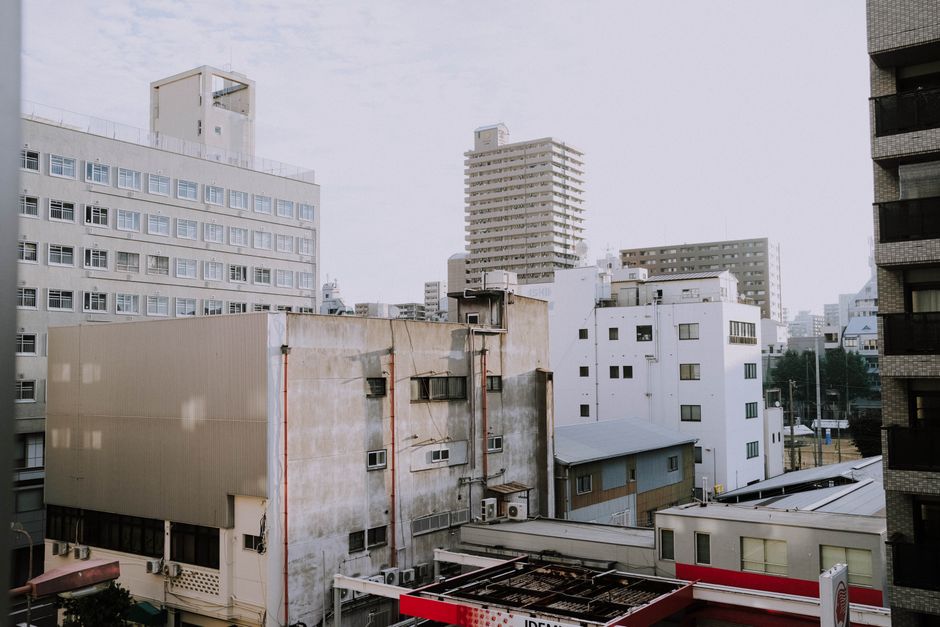
First-time buyers accounted for a surprising 28% of apartment sales in central Osaka during the second quarter of 2026, according to transaction data released by Mizuno Fudosan this week. That marks the highest level of new-owner activity since 2019, pushing average entry-level prices higher in several key neighbourhoods.
This matters now because Osaka’s residential market has been defined for years by escalating prices and a shrinking pool of younger buyers. Rising mortgage rates in early 2025 and the fallout from global energy and security shocks had initially pushed first-home hopefuls to the sidelines. Now, renewed demand among younger families and singles is putting pressure on entry-level stock amid tightening supply.
Long the prime hunting ground for young buyers, Minami’s Namba-Horie corridor is seeing fierce competition and, for the first time, a clear shift in demand. Semba Kousan, a key sales agency in Chuo Ward, confirmed they closed 51 deals with first-home buyers between April and June — nearly 40% up on the same period last year. But agents are pointing would-be owners a few subway stops east, to places like Morinomiya and Tsuruhashi along the Chuo and JR Loop Lines. In Morinomiya, a renovated 2LDK condominium in the Green Hills complex closed last week for ¥36.2 million. Compare that to a 2LDK in Namba-Horie, where recent sales rarely drop below ¥48 million, even for 1980s buildings with no parking.
Osaka City Housing Corporation’s newly launched ‘Start Home Osaka 2026’ program is also redirecting demand toward up-and-coming hubs like Shin-Fukae and Taisho. The scheme, launched in May, offers low-deposit mortgages for buyers under age 35, but has already received over 340 applications, mostly for properties along the Imazatosuji Line.
According to the Kansai Real Estate Board, the average sale price for an entry-level (1–2LDK) condo in central Osaka reached ¥41.8 million in June 2026 — up 13% from a year earlier. Momentum was strongest in Chuo and Naniwa wards, with the latter posting a median sale price of ¥44.9 million and more than 80% of new listings snapped up within 12 days. By contrast, entry points remain most accessible along the city’s eastern edge: in Higashinari and Ikuno wards, the average price for a two-bedroom hasn’t crossed ¥30 million, with agents in Imazato reporting owners still willing to negotiate 3–5% below asking price.
Rental yields have tightened across the board. Data from Orix Real Estate shows a median yield of just 3.4% on new one-bedroom condos within a two-kilometre radius of Umeda, compared to 4.2% in 2022. Some investors are cashing out, freeing up additional stock for first-time owner-occupiers. A property manager in Fukushima, who handles units in Ekimae Daiichi Building, confirmed to The Daily Osaka that a quarter of investors currently listing units are explicitly targeting first-home buyers by offering waived agency fees.
For new buyers scanning listings this summer, proximity to major rail interchanges and practical layout upgrades remain the key differentiators under ¥40 million. Tips from local agents: be ready to move quickly on listings within walking distance to JR Morinomiya or Shin-Fukae stations, where competition is rising and supply is thinning as early as September. Osaka’s shifting market means tomorrow’s entry point could be further east — and several hundred thousand yen higher — than today.
Property
Property
Property

Property
About this article
Published by The Daily Osaka
Spread the word
Daily brief
Free, in your inbox before 7am. Weekdays.
The Daily Network — local news across Australia