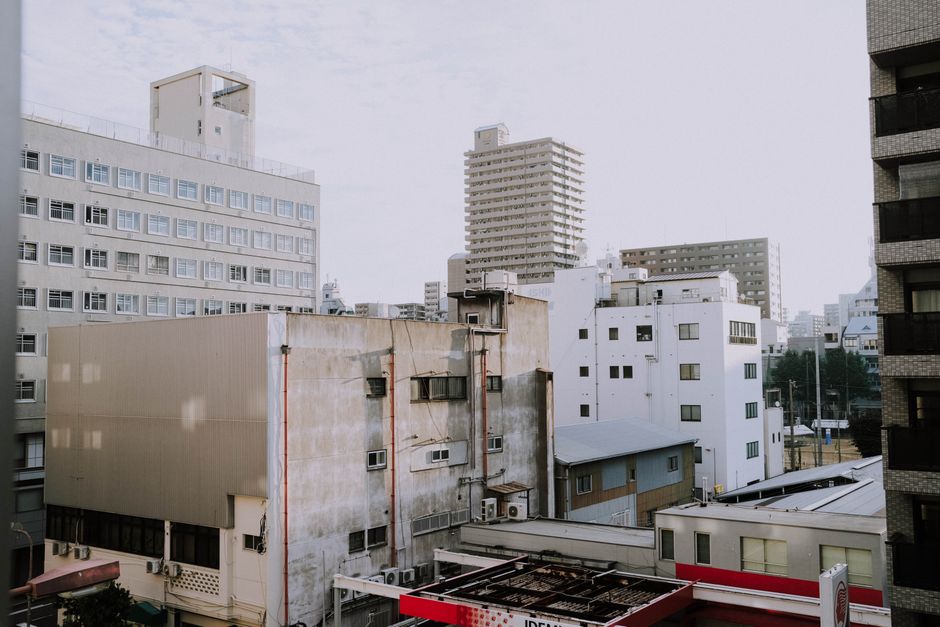
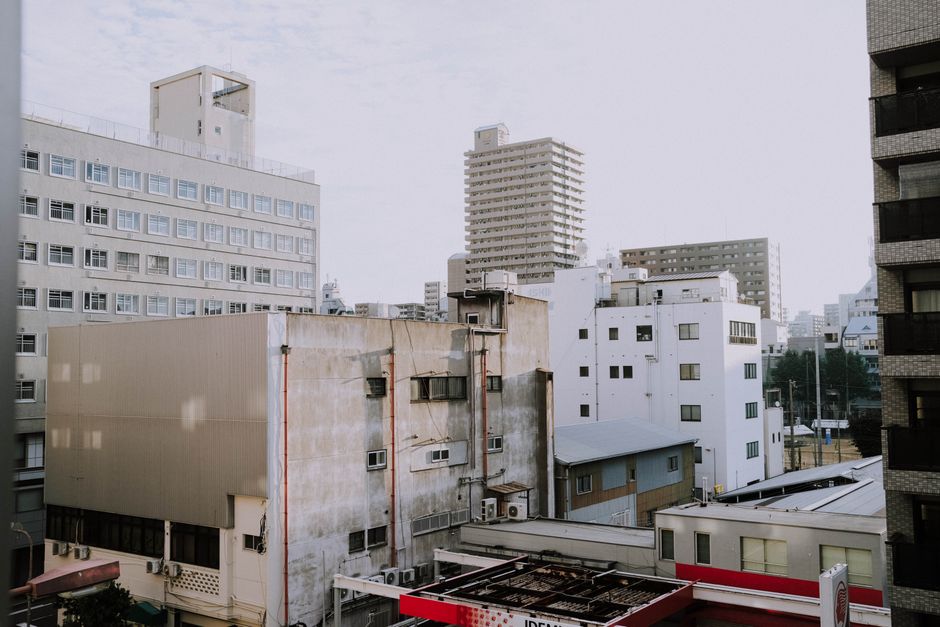
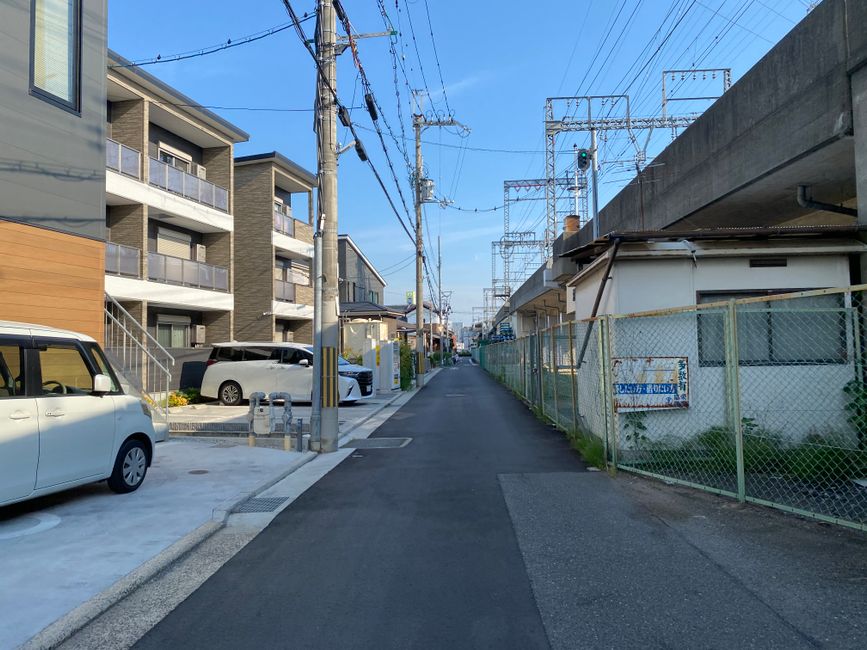
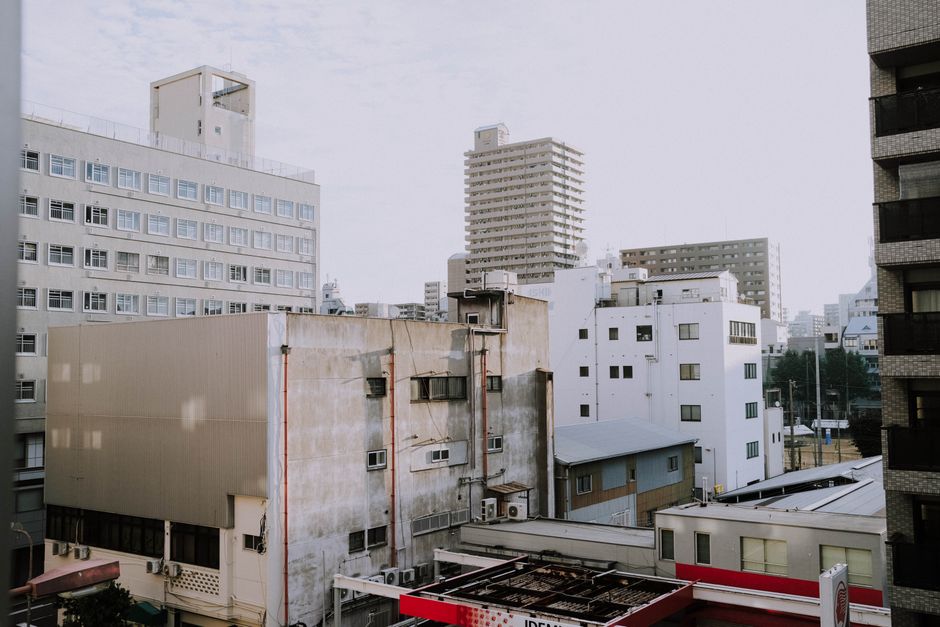
In Osaka’s competitive property market, a growing number of young professionals are choosing to rent their city homes while investing in real estate further afield—a practice known as rent-vesting. The trend, once seen mostly in global financial hubs, is gaining serious traction along Midosuji Avenue and beyond, as locals weigh the tradeoffs between home ownership and flexibility.
This matters now more than ever. Mortgage rates in Japan have crept up since last summer, touching 1.4% for popular variable-rate loans, according to the Japan Housing Finance Agency’s June 2026 report. Meanwhile, property prices in central Osaka’s Chūō and Kita wards remain stable but stubbornly high, putting traditional home ownership out of reach for many first-time buyers. With rental prices lagging behind property values, the rent-vesting model offers a workaround for those unwilling to compromise on central city living.
The Mechanics of Rent-Vesting in Osaka
How does rent-vesting work here? Take the example of Yodoyabashi, a business district where median monthly rent for a 1DK apartment hovers at ¥94,000, according to Suumo’s 2026 Osaka Rental Survey. Securing a comparable property as an owner-occupier along Honmachi-dori would demand an upfront deposit of at least ¥6.4 million, based on an average 20% down payment on the ward’s median price of ¥32 million for a 40 m2 apartment. Instead, rent-vestors keep renting in central areas like Namba or Umeda and purchase investment properties in more affordable suburbs such as Hirano or Sumiyoshi-ku, where entry prices for newly built studio condos have remained under ¥18 million.
Major local players have noticed the shift. Sumitomo Real Estate’s recent data shows a 17% uptick since January in inquiries for ‘investment-only’ properties around Hanshin-Koshien station, compared to less than 3% rise for self-occupied listings in central Osaka. Real estate advisory services such as Osaka Renter’s Doc, headquartered on Shinsaibashi-suji, now run monthly seminars focused specifically on rent-vesting scenarios tailored to Kansai region conditions.
Crunching the Numbers: Affordability Gap Widens
Official figures paint a stark contrast. CoreLogic Japan’s May 2026 Osaka Affordability Index found the city’s buyer-to-income ratio is now 8.7—a nearly fourfold increase from 2016. In contrast, rental yields on entry-level investment apartments in Suminoe-ku and Taisho-ku are averaging 4.8% net, considerably higher than the 1.5-2.1% interest paid on most residential mortgages.
Bank of Japan’s recent review highlighted that while rental costs across Osaka’s central five wards have only risen by about 2% since 2023, sale prices for equivalent properties jumped 14% in the same period. That divergence—most apparent along Tanimachi-suji between Temmabashi and Tennoji—means rent-vesting delivers both lifestyle and investment leverage for young professionals and dual-income families. The Japan Real Estate Institute forecasts further price pressure in the core, but expects stable to modest price movement in the city’s outer rings through 2027.
What does this mean for those weighing their next move? Rent-vesting is not risk-free—vacancy rates and local tenant law must be understood before any purchase. But for renters in central Osaka wanting an entry point to the property ladder, it’s a viable route to asset growth without sacrificing access to good transit, nightlife, and office hubs. Experts recommend starting with research on new-build inventory around Taisho and Sumiyoshi stations, and seeking advice from registered advisers like Rakumachi Osaka. As always, careful due diligence will be key to making rent-vesting work for those wanting to stay in the heart of the city while investing for their future.