Property
Osaka’s First-Home Buyers Face Rising Entry Points Amid Market Jitters
Market turbulence and heatwave-driven migration patterns are reshaping chances for entry-level buyers in Osaka’s property sector.
3 min read
Property
Market turbulence and heatwave-driven migration patterns are reshaping chances for entry-level buyers in Osaka’s property sector.
3 min read
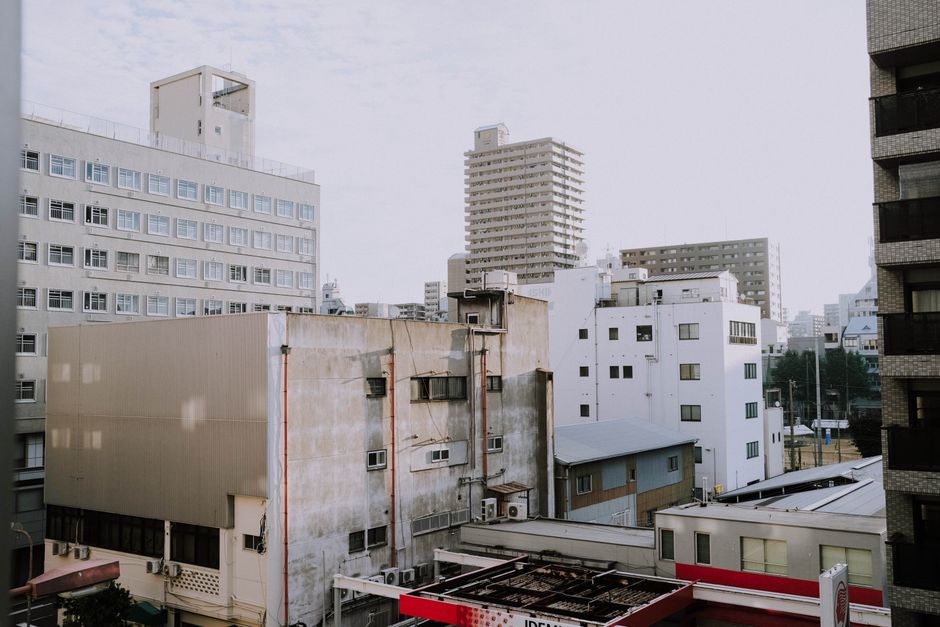
First-home buyer activity in Osaka has slowed to a six-month low, with new entrants to the market squeezed by shifting lending conditions and a sharp increase in competition for starter apartments in central wards.
The focus on entry-level buyers comes as Osaka’s government aims to channel younger families and key workers into the city’s core districts, partly in response to population movements triggered by the late-June heatwave. Local planners are watching closely as changing priorities—access to green space, insulation, and air conditioning—are reshaping buyer behaviour, and scaling up demands on the city’s existing housing infrastructure.
Some districts remain within reach for new buyers. In Nishi Ward, properties near Awaza Station are still listing below ¥40 million for two-bedroom mansions—a key threshold for buyers relying on the city’s 2026 first-time homeowner subsidy. By contrast, areas such as Umeda and Namba have seen average entry-level prices climb to over ¥52 million as of July 1, according to data from the Kansai Real Estate Information Center.
Osaka’s Home Start Osaka (HOS) scheme has reported a 14% drop in applications from first-home buyers this quarter compared to the same period last year. The city waiver for property registration tax, usually a drawcard, has not stemmed the decline. Agents at Suumo’s local branch on Midosuji Avenue attribute this to prospective homeowners pausing purchases amid expectations of interest rate shifts from the Bank of Japan.
Data provided to The Daily Osaka shows the median price for new-build units targeting first-time buyers reached ¥44.7 million in June, a 6.3% year-on-year rise. Existing condos, particularly those within a 15-minute walk of Shin-Osaka Station, have jumped even faster—up by nearly 10% year-on-year to a median of ¥38.2 million. The tightest squeeze is for units under 55 square meters: fewer than 370 were listed on the open market across the city at the start of July.
The situation is heightened in wards like Abeno, where families displaced by June’s record-breaking heat have bid up prices for newer tower blocks around Tennoji Park. According to the Osaka Homelife Cooperative, these neighbourhoods saw a 21% spike in first-home buyer inquiries since mid-June, but actual transactions lag, held back by a lack of qualifying stock meeting both price and proximity requirements.
Those hoping to get their first foot on the Osaka property ladder should watch for possible policy tweaks as the city council convenes later this month to discuss expanded incentives for buyers under 40. Real estate consultancies advise setting alerts for pre-owned apartment listings in fringe areas like Sumiyoshi-ku or Tsurumi-ku, where price growth has not yet outpaced wage increases. Above all, buyers should secure pre-approval quickly, as several city lenders—Osaka Shinkin Bank included—are expected to tighten affordability checks after recent BOJ signals about monetary policy.
Property
Property
Property

Property
About this article
Published by The Daily Osaka
Spread the word
Daily brief
Free, in your inbox before 7am. Weekdays.
The Daily Network — local news across Australia