Wellness
How Temperature, Light and Noise Affect Your Sleep Quality in Osaka
Rising temperatures, city lights and urban noise are disrupting the restorative sleep many Osaka residents need for daytime wellbeing.
4 min read
Updated 1 h ago
Wellness
Rising temperatures, city lights and urban noise are disrupting the restorative sleep many Osaka residents need for daytime wellbeing.
4 min read
Updated 1 h ago

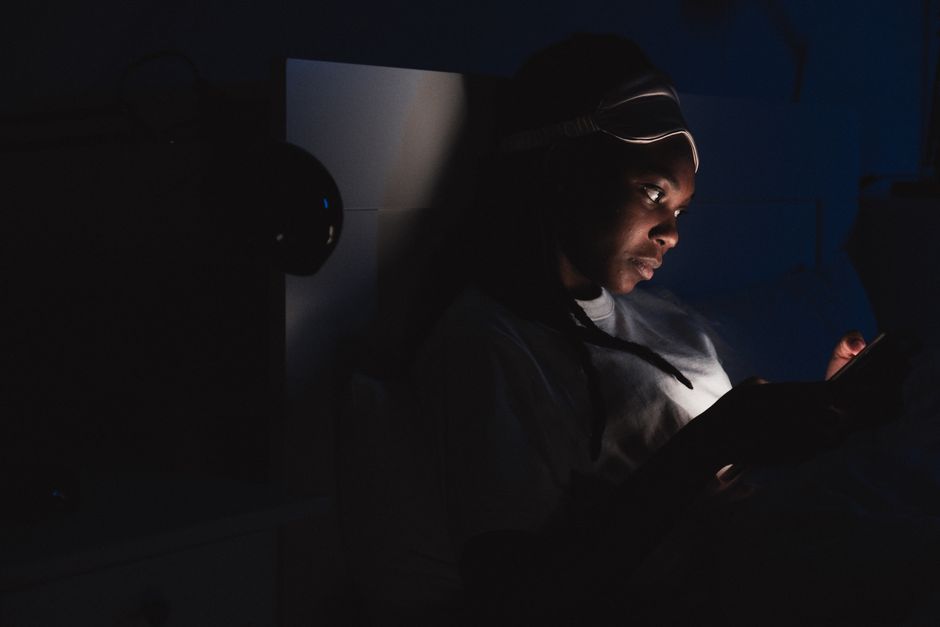
In the humid first week of July, the number of patients at Umeda Sleep Clinic reached record levels. Dr. Noriko Miyata, who oversees the sleep health program there, says nearly half her recent cases cite difficulty falling or staying asleep—blaming overheated bedrooms, street noise from Hankyu Railway, or the never-dimming neon glow outside their windows.
Osaka’s long summer nights, paired with record-high urban density, are making restorative sleep a challenge. The average overnight temperature in Chūō ward hit 27°C last week, according to the Osaka Meteorological Observatory, sparking a surge in late-night air conditioner use. But that cool relief isn’t a cure-all: light from Dotonbori’s billboards and noise from Namba’s nightlife often seep through the thinnest konai-mansion walls, keeping residents alert when their bodies should be winding down. More than half of working adults in the Kansai region now report regularly waking up tired, according to 2025 figures from the Ministry of Health, Labour and Welfare.
These trends matter because chronic sleep deprivation is closely tied to higher rates of mood disorders, metabolic issues and reduced concentration. The Osaka City Public Health Center recently warned that consistently getting less than six hours’ sleep per night puts residents at higher risk of hypertension and type 2 diabetes—part of a city-wide effort to promote better nighttime routines ahead of the Yodogawa fireworks festival, which tends to upend normal sleep schedules across the city each August.
Several local organisations are stepping up. In Tennoji, the Nishi-Ohashi Sleep Wellness Studio runs weekly workshops on home sleep hygiene, offering sound-reducing window film and blackout curtain samples starting at ¥3,800 for a standard window. The Minato-ku branch of LOFT sells noise machines popular among shift workers at the nearby Tempozan ferry terminal, with prices ranging from ¥4,500 to ¥10,200 depending on features like adjustable volume and white/pink noise settings.
Some residents are trying out new solutions. At Abeno Harukas, the city’s tallest building, management lowered all rooftop lighting after 10 p.m. in response to tenant complaints about light leakage. Meanwhile, an NPO called Nezumi no Ongaeshi, based in Fukushima-ku, partners with Kyocera Dome apartments to distribute subsidised earplugs and host seminars on creating sleep-friendly home environments.
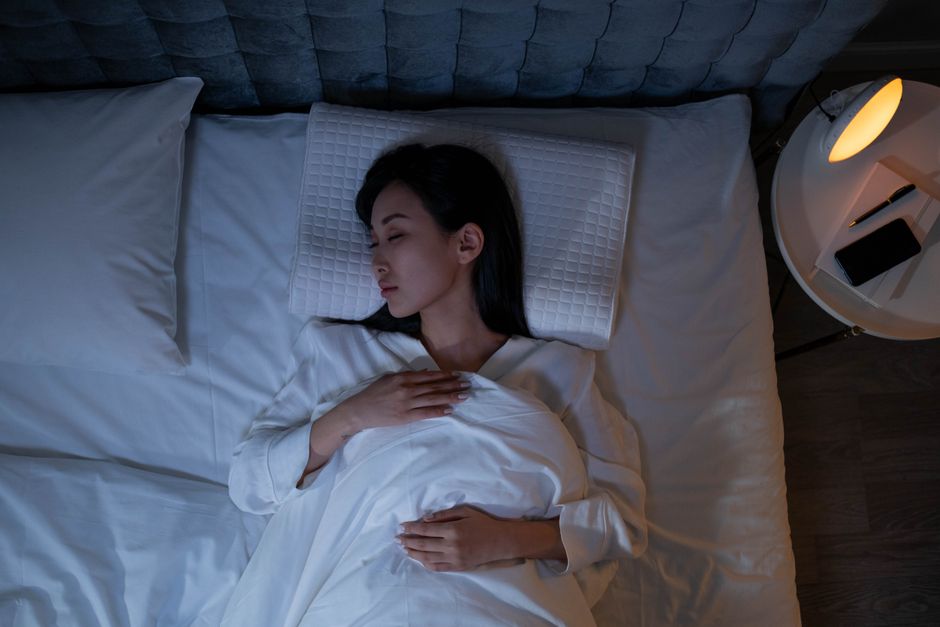
Research from Osaka University’s Sleep Science Lab found that air conditioning set between 25–27°C resulted in the most restful sleep for city dwellers, reducing nighttime awakenings by 35% compared to warmer rooms. However, the same study warns against rapid temperature shifts, recommending programmable timers to avoid the shock of chilly blasts at midnight. Investing in blackout blinds (available at Nitori for ¥5,280 per panel) yielded a 22% improvement in sleep quality scores in a 2025 local trial. White noise or nature sound machines also helped Osaka participants fall asleep up to 30 minutes faster on average, especially in urban neighbourhoods like Kita and Sumiyoshi with busy 24-hour traffic.
For budget-conscious residents, Osaka City Hall is piloting a rental program in Nishinari ward that lends out portable fans and blackout curtains during the hottest months for ¥800 per month, with applications open through the ward office or city portal.
If you’re struggling with restless nights, small changes add up: keep your bedroom between 25–27°C, dim lights at least an hour before bed, and consider earplugs or white noise devices if street sounds are an issue. If sleep problems persist, the Osaka Sleep Disorders Center in Morinomiya sees patients without referral and provides expert guidance tailored to the city’s unique urban environment. With temperatures set to rise again before Obon, now is the right time to make a sleep-friendly night routine part of your wellness plan.
About this article
Published by The Daily Osaka
Spread the word
Daily brief
Free, in your inbox before 7am. Weekdays.
The Daily Network — local news across Australia