Wellness
Screen time and sleep: what the research actually shows
Recent studies reveal how Osaka’s love of late-night devices is hindering sleep, but practical solutions are emerging at the neighborhood level.
3 min read
Updated 1 h ago
Wellness
Recent studies reveal how Osaka’s love of late-night devices is hindering sleep, but practical solutions are emerging at the neighborhood level.
3 min read
Updated 1 h ago
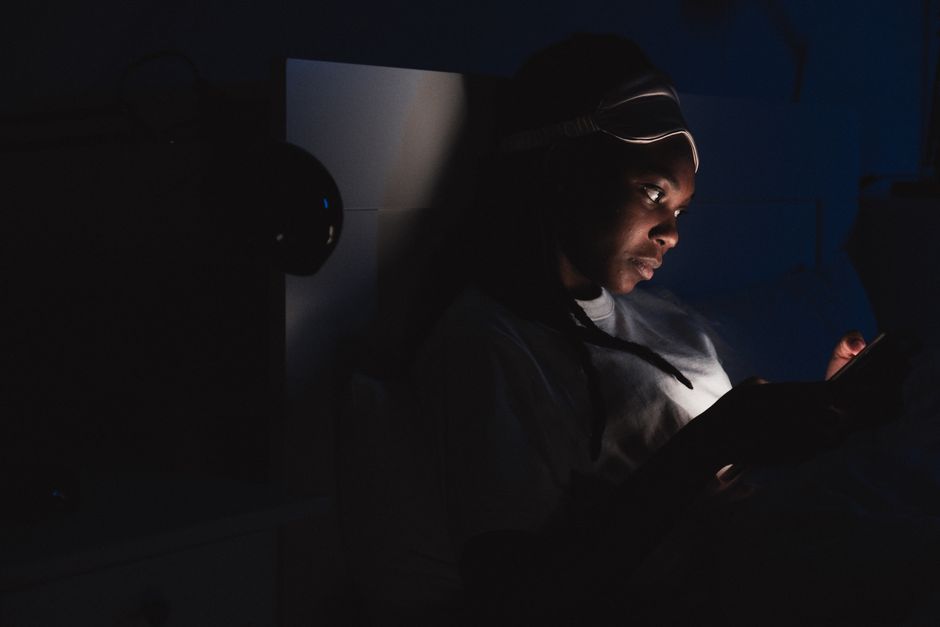
Osaka’s screen time habit is taking a measurable toll on residents’ sleep, with new research from Kansai University revealing that people who use phones or tablets after 10pm in Namba or Umeda average 68 minutes less sleep than those who switch off earlier.
This matters now, experts say, because device use in Osaka is at an all-time high. Mobile usage has surged in the past three years, with Minato-ku’s City Health Office reporting a 41% increase among high school students since 2023. While locals might pride themselves on their energetic urban lifestyle and 24-hour neon convenience, the always-on culture is keeping many up later, increasing stress, and contributing to a sleepy morning commute on the Midosuji Line.
Walk past the T-site Tsutaya Books in Hirakata or through the Shinsaibashi shopping arcade after dusk and the blue glow from phone screens is hard to miss. Despite campaigns like Suita City Library’s "Tech Time Out" program, most young adults surveyed in Chūō-ku admit they spend nearly two hours on TikTok, YouTube, or gaming apps before sleep. The Osaka Sleep Improvement Project—run by the city’s Public Health Center—recently launched workshops at Tennoji Community Center after finding that 78% of participants failed to get the recommended seven hours of sleep on weekdays, largely due to phone use.
"Every evening, it's tempting to scroll or catch up on shows," says Mari Tanaka, a sleep coach at Umeda Wellness Plaza. "But research is clear that blue light exposure late at night makes it harder for our bodies to produce melatonin and wind down." Tanaka works with several local companies in Nishi Ward, rolling out digital curfew programs that encourage staff to switch devices to night mode or put down screens an hour before bed.
Data from the 2025 Osaka Metropolitan Sleep Survey, involving 3,400 residents city-wide, confirms that exposure to screens just before sleeping leads to both shorter total sleep and lower sleep quality. In households with teens, reported insomnia symptoms rose from 17% in 2019 to 26% last year. One key finding: every extra 30 minutes of post-10pm screen time correlated with a 14% higher chance of self-reported daytime fatigue. Meanwhile, a new pilot in Suminoe-ku that distributed blue light-blocking glasses saw participants recover an average of 32 minutes of nightly rest after just three weeks.
Gadgets themselves are not the enemy, researchers emphasize. The worst impact comes from interactive use—responding to messages, checking notifications, or playing games—rather than simply watching television. The Osaka Sleep Improvement Project reports that even a 20-minute wind-down period without screens before bed can help reset sleep cycles, with participation in their free evening yoga classes at Sakuragawa Health Studio rising 29% since the program added a "device-free challenge" pledge for attendees.
For those struggling with restless nights in bustling neighbourhoods like Shin-Osaka or Abeno, public health officials recommend a simple action plan: set devices to "do not disturb" mode after 9pm, dim the brightness and switch displays to warm "night mode" tones, and keep screens out of the bedroom wherever possible. Free sleep seminars offered at Osaka Municipal Central Gymnasium every second Thursday explore mindfulness techniques and bedtime rituals tailored for digital natives.
While the draw of screens will likely remain strong in Japan’s second-largest city, new research and grassroots initiatives are giving Osaka residents realistic strategies to reclaim their sleep. Those facing persistent problems are encouraged to consult a local medical professional for individual assessment and support.
About this article
Published by The Daily Osaka
Spread the word
Daily brief
Free, in your inbox before 7am. Weekdays.
The Daily Network — local news across Australia