Wellness
The Sleep Environment Checklist for Better Rest
From blackout curtains in Higashi-Umeda to HEPA filters in Sumiyoshi, Osaka residents are rethinking their bedrooms for deeper, healthier sleep.
3 min read
Updated 1 h ago
Wellness
From blackout curtains in Higashi-Umeda to HEPA filters in Sumiyoshi, Osaka residents are rethinking their bedrooms for deeper, healthier sleep.
3 min read
Updated 1 h ago
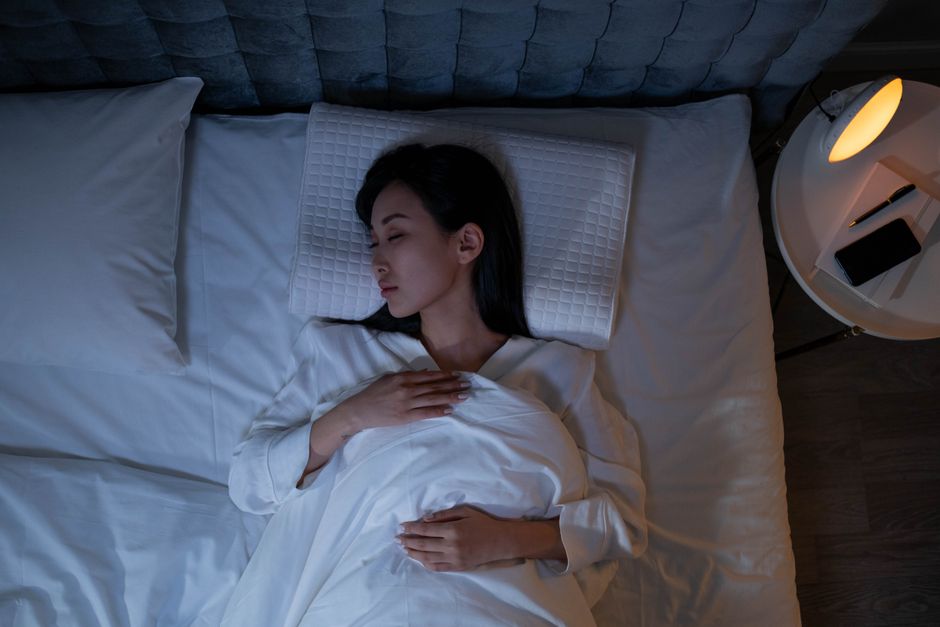
Osaka’s bustling nights are quieter behind closed doors, where a new wave of residents is turning to environment-driven checklists in a local push to conquer restless sleep. From Minamihorie’s design-forward apartments to suburban Higashiosaka family homes, optimizing the bedroom for rest is sparking renewed interest—and demand for blackout curtains and smart air purifiers is surging.
This focus on the sleep environment comes as city workers and students alike struggle with fatigue and irritability tied to Osaka’s infamous humidity and urban noise. The June release of an Osaka Wellness Survey by Naniwa Health Promotion Centre revealed that nearly 47% of residents reported restless or broken sleep at least three nights a week. As heatwaves and construction projects ramp up through July, sleep specialists across the city say now is the moment to get bedrooms rest-ready.
Local retailers and wellness advocates are leading the charge. Nitori on Shinsaibashi-suji has doubled its in-store displays of weighted blankets and room-darkening shades since May. Umeda’s Sleepy Moon, a boutique near Grand Front Osaka, launched weekend workshops last month for customers keen on customizing their night routines—from aromatherapy blends to light-dimming setups. Workshop enrollment has already surpassed 120 attendees for July, a representative says.
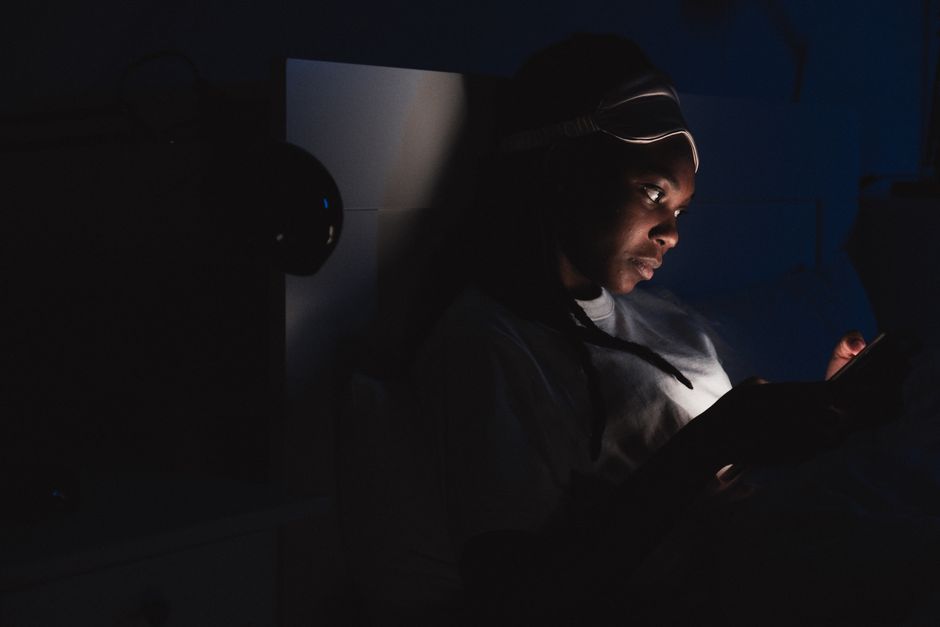
Environment-focused sleep checklists are not just about gear but small shifts. The Osaka Sodai Community Center in Sumiyoshi-ku began distributing bilingual flyers this spring, listing key bedroom improvements based on current evidence: maintain a room temperature of 22°C to 25°C, limit blue light from devices after 9 p.m., and use white noise apps to mask city sounds. Demand for at-home visits jumped 18% in the second quarter, according to their June 2026 report.
Market data is backing up the buzz. According to Yodobashi Camera's Namba branch, sales of HEPA air purifiers rose 31% year-on-year from March to June 2026, spurred partly by pollen season but increasingly by demand from sleep-conscious buyers. The store’s bestselling midrange model, retailing at around ¥16,500, is set to be restocked after last weekend’s run on supplies. Similarly, Daiso’s blackout eye masks—often priced below ¥330—are regularly selling out before noon at the Lucua Osaka location.
Japan’s Ministry of Health, Labour and Welfare reports that sleep disorders cost the nation more than ¥3.5 trillion a year in lost productivity and healthcare. Given Osaka Prefecture’s consistently high rates of overtime work, local clinics in Yodoyabashi and Fukushima wards are now handing out printed checklists, urging everything from decluttering nightstands to investing in higher-quality futons.
For those ready to overhaul their bedroom, experts at the Osaka Sleep Science Association recommend these essentials: blackout curtains (¥8,000–¥13,000 for a standard window set), HEPA air purifiers, temperature control using fans or air conditioning, a consistent pre-sleep wind down, and strict device charging rules—no smartphones allowed on the futon. Don’t overlook noise: residents living near Midosuji Avenue or the JR Loop Line can benefit from white noise machines or soundproof window strips, available at Tokyu Hands for under ¥2,000.
Next up, wellness groups like Wellness Osaka Initiative are piloting a community survey in the Shin-Osaka neighborhood. The project, rolling out mid-July, aims to identify how urban noise and light pollution uniquely affect residents and will supply tailored checklists to 300 selected households. As summer’s humidity and street activity intensify, experts agree: a well-prepared sleep environment can mean the difference between a groggy morning commute on the Midosuji Line and a genuinely restorative rest.
About this article
Published by The Daily Osaka
Spread the word
Daily brief
Free, in your inbox before 7am. Weekdays.
The Daily Network — local news across Australia