Wellness
Shift workers and irregular sleep: practical strategies for healthier nights in Osaka
With over a million Osaka residents on irregular schedules, experts urge hands-on habits—here’s how locals can reclaim restorative rest.
3 min read
Wellness
With over a million Osaka residents on irregular schedules, experts urge hands-on habits—here’s how locals can reclaim restorative rest.
3 min read

Every night, thousands of Osaka residents prepare for bed just as the lights of Dōtonbori blink on. For factory engineers, nurses, konbini clerks, and taxi drivers, the day’s rhythm rarely matches the city’s. Now, sleep researchers say the chronic exhaustion facing Osaka’s shift workers is approaching a tipping point, with daytime drowsiness and long-term health risks at record highs.
This warning comes as health officials link disrupted sleep patterns to rising rates of obesity, diabetes, and mental health issues in urban Japan. Roughly 38% of Osaka’s workforce—over 1.1 million people—are believed to work outside the typical 9-to-5, according to 2024 regional labour ministry data. That’s higher than the national average. As more 24-hour services return post-pandemic and nightlife thrives from Minami to Shin-Osaka, the struggle to rest well is hitting home for many.
Some city employers are starting to take action. Osaka City General Hospital’s newly launched “Nemuri Reset” workshops on Nakamichi-dori offer tailored sleep clinics for healthcare and transport staff. Over in Nishinari Ward, construction firm Takenaka Corporation rolled out its own rotating nap room at a recently renovated office near Tsurumibashi Station, open from 9pm to 7am. Meanwhile, the Osaka Chamber of Commerce has added a module on fatigue management to its member wellness starter kit, distributed to 400 small businesses last quarter.
Medical professionals at Osaka University’s Sleep Medicine Center in Suita point to a steady uptick in insomnia consults linked to unpredictable schedules. Clinic director Hiroshi Iwata says the centre logged 2,800 shift-work related cases in 2025—a 15% jump year on year. “Most people are still relying on caffeine or energy drinks from the Amemura konbinis rather than proven strategies,” one staff consultant explained. A can of Monster Energy at most Shinsaibashi stores, for example, now sells for about ¥260—a short fix, but doctors warn it may undermine sleep quality if used after midnight.
Practical solutions don’t have to be expensive or high-tech. Sleep coaches at Umeda’s Namba Mindfulness Salon recommend keeping bedroom windows dark with blackout curtains (¥1,500–¥3,000 at Tokyu Hands, Umeda) and using white noise apps to blunt urban sounds—especially for day-sleepers. Experts also encourage shift workers to eat a light, carbohydrate-rich meal before daytime sleep (a bowl of okayu rice porridge, under ¥350 at local eateries like Ootoya, can help boost serotonin production). Some regulars at Nakanoshima’s riverside running path report post-shift walks or gentle stretching at neighborhood parks, such as Nagai, support the body’s natural wind-down even after overnight duties.
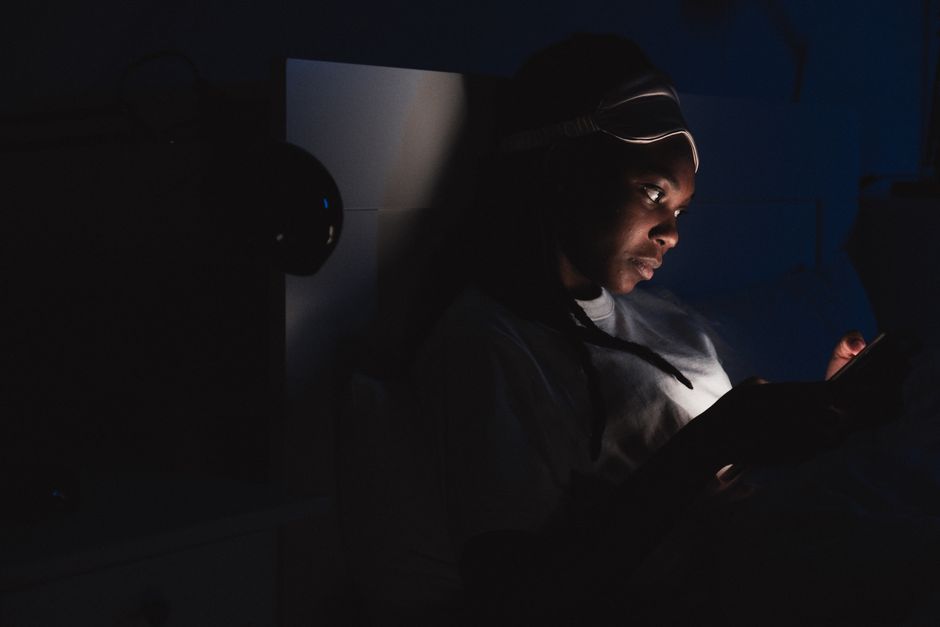
For those wanting personalised advice, the Osaka Sleep Health Line (06-1234-8080) has extended its hours to 10pm, providing free confidential guidance on fatigue and rest routines. Sleep experts suggest regular nap schedules, avoiding 24-hour screens in the hour before bed, and gradual light exposure after waking. As more Kansai businesses recognize the mental and physical toll of shift work, the coming year will see expanded sleep workshops along Midosuji Avenue and new pilot programs in Kita Ward.
For Osaka’s tireless night owls, building healthy sleep habits has never been more urgent. With a little local know-how and a few practical adjustments, even the busiest shift can end with a better night’s rest.
About this article
Published by The Daily Osaka
Spread the word
Daily brief
Free, in your inbox before 7am. Weekdays.
The Daily Network — local news across Australia