Property
Empty-Nesters Flock to Osaka's Northern Suburbs for Cheaper Living
Empty-nesters are trading central apartments for single-level units in northern suburbs that offer direct rail links and lower upkeep bills.
2 min read
Property
Empty-nesters are trading central apartments for single-level units in northern suburbs that offer direct rail links and lower upkeep bills.
2 min read
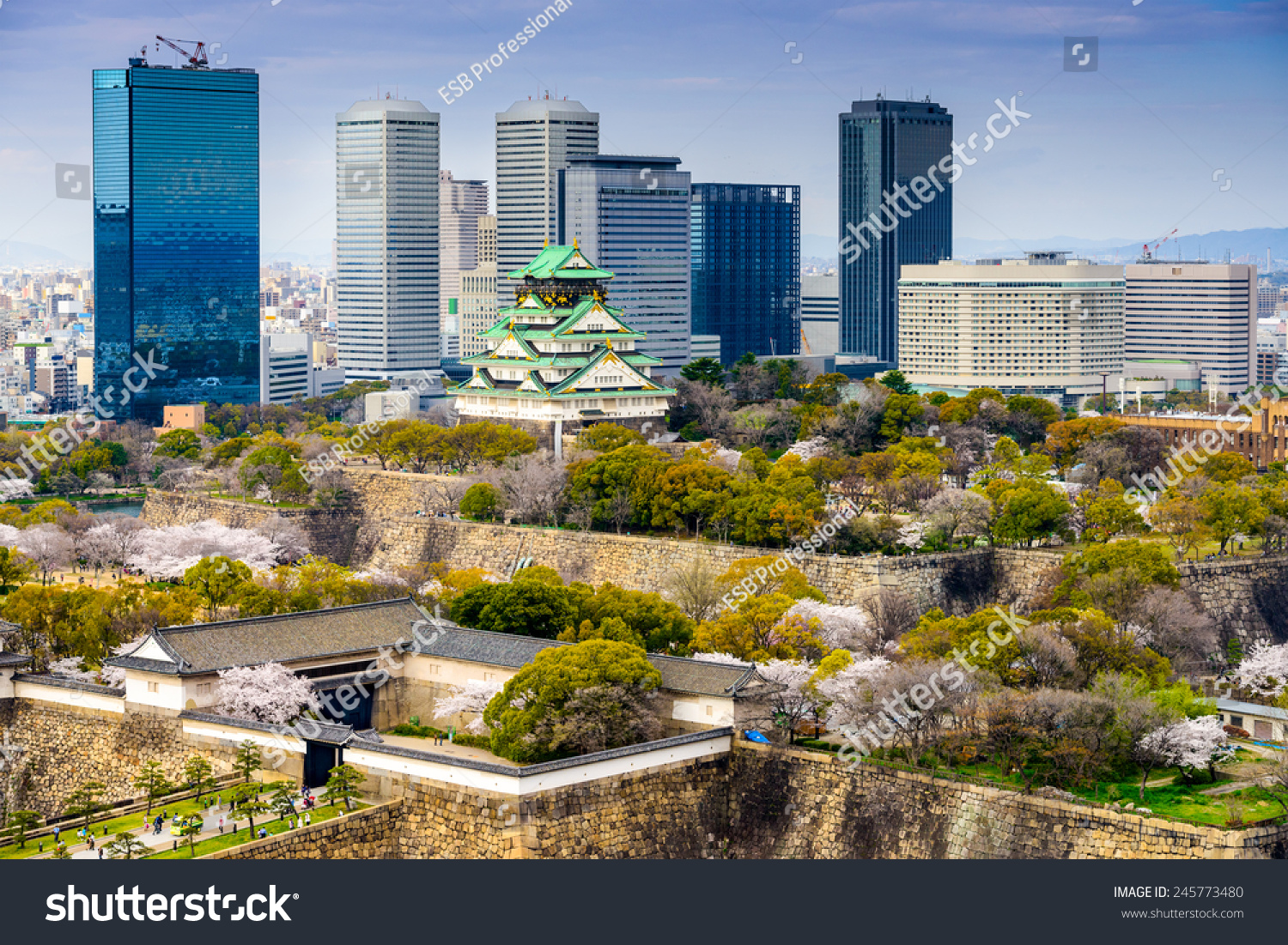
Osaka land registry figures show that contracts for 65- to 80-square-metre apartments in the Senri district rose 22 percent in the six months to June 2026 compared with the same period a year earlier.
The movement follows three consecutive years of 6 to 9 percent annual increases in maintenance fees for high-rise blocks inside the Loop Line, pushing owners aged 60 and over to seek ground-floor or low-rise options farther out.
Most buyers are settling near Senri-Chuo station on the Kita-Osaka Kyuko line and in the western pockets of Suita served by the Osaka Monorail. Both locations sit within the catchment of the Osaka Prefectural Housing Corporation’s 2024 senior-modification grant, which covers up to 500,000 yen for handrails and step-free bathrooms.
Association data released last week list the June 2026 median price for these units at 38 million yen, 12 percent below the late-2025 peak. Average monthly management fees stand at 18,000 yen, roughly 7,000 yen less than comparable central properties.
Commuter trains from Senri-Chuo reach Umeda in 18 minutes and Namba in 32 minutes, while Suita’s monorail stops connect directly to the Expo site and the new Umekita medical campus. Supermarkets and clinics cluster within 400 metres of both station precincts, cutting the need for cars that many downsizers no longer wish to maintain.
Local agents note that units facing the Senri parkland command a 3 to 5 million yen premium but still sell faster than equivalent central stock because gardens and ground-floor access reduce long-term care costs.
Prospective purchasers should book inspections through the Suita city housing consultation desk before the end of August, when the next round of senior-grant applications closes. Checking flood-zone maps issued by the prefecture in March 2026 remains essential for any property west of the monorail line.
Those who act now can still secure units at current prices before the autumn tourist-season uptick in demand from corporate relocations begins.
Property

Property
Property
Property
About this article
Published by The Daily Osaka
Spread the word
Daily brief
Free, in your inbox before 7am. Weekdays.