Property
How Much Rent Is Too Much? The 30% Rule in Practice for Osaka
Rising rents test the classic rule of thumb for budgeting—and the maths is getting harder for city residents.
3 min read
Updated 1 h ago
Property
Rising rents test the classic rule of thumb for budgeting—and the maths is getting harder for city residents.
3 min read
Updated 1 h ago
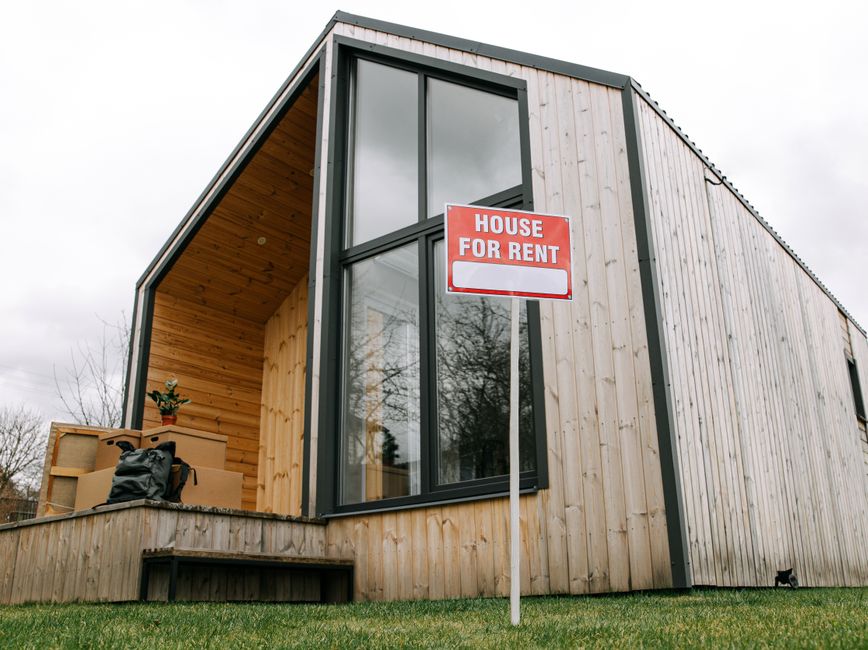
For Akira Tanaka, searching for a one-bedroom near Nakazakicho Station, the numbers just don't add up. With median rent in the Umeda district now reaching ¥110,000 per month for a modest apartment, rental costs are pushing past what many personal finance advisers call the breaking point: 30% of monthly income.
Why now? With Osaka's real estate market at its liveliest in over a decade, renters are feeling the squeeze as wages lag behind surging rents. A recent report by the Kansai Real Estate Association pegged average rent increases in central Osaka at 7% year-on-year as of June 2026. For workers at the city's numerous SMEs and hospitality venues clustered along Midosuji Avenue, the prospect of higher rent isn't just an inconvenience—it's a major stressor on the family budget.
The 30% rule—spending no more than 30% of gross income on housing—is often touted as a financial best practice. But for renters in neighbourhoods like Namba or Shin-Osaka, that guideline is increasingly hard to follow. "We see many young professionals paying closer to 40% of their pre-tax income on rent, especially those prioritising proximity to central transit hubs," says a senior analyst at Osaka Chintai Research.
Take the Minamihorie area, a hotspot for recent university graduates and tech firm hires. Studio apartments there now fetch an average of ¥87,000 a month, up from ¥71,000 just two years ago. For someone making the Osaka average monthly salary of ¥322,000 (according to the Ministry of Health, Labour and Welfare's 2025 data), hitting the 30% spend would mean a rent cap of about ¥96,600. Yet, for those aiming for trendier addresses or newer builds managed by large operators like Daiwa Living, the numbers are tighter: factoring in key money, insurance, and management fees, tenants often find themselves cutting back on non-essentials or considering roommates to shoulder the cost.
Osaka's rental prices aren't just a downtown issue. Data from SUUMO's June 2026 rental index shows even more affordable outer wards such as Joto and Suminoe saw rents edge upward this year; typical 2LDK (two rooms plus living/dining/kitchen) flats now average ¥109,000 monthly. Families with school-aged children seeking larger spaces near Osaka Municipal Hirano Elementary or Abeno's shopping and transport links are facing monthly housing budgets that leave less cushion for savings, let alone a down payment on a purchase.
For those considering whether to keep renting or leap into homeownership, the math grows murkier still. The city of Osaka’s 2025 housing affordability review found the median purchase price for new condominiums in Chuo-ku topped ¥63 million—putting many properties firmly out of reach without two incomes and family support. Osaka Housing Corporation's rent-subsidy waitlists continue to lengthen, highlighting the pressure facing not just low-income but also middle-class households.
Experts suggest revisiting budgets, using rent/ownership calculators (several are available via Osaka City Hall’s website), and comparing neighbourhoods before signing a new lease. With vacant units dropping below 4% in the city centre this summer according to the Japan Property Management Association, tenants may need to expand their search radius or consider older buildings for better value. For Osaka’s renters, strict budgeting—and tough negotiation with landlords—may be the best defence against rents creeping ever upward past the fabled 30% line.
About this article
Published by The Daily Osaka
Spread the word
Daily brief
Free, in your inbox before 7am. Weekdays.
The Daily Network — local news across Australia