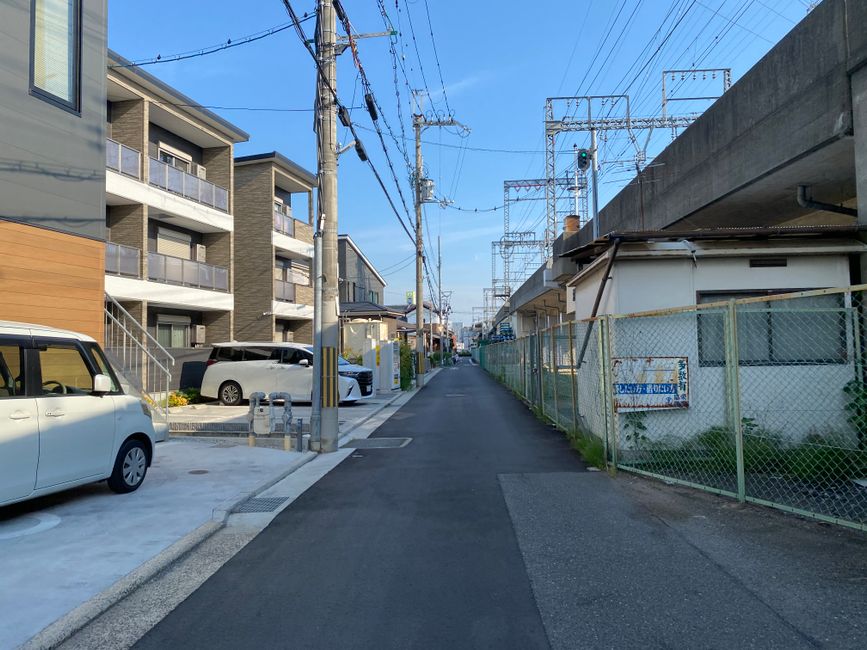
For the first time in a decade, buying a condominium in several Osaka suburbs is now routinely cheaper than renting, according to new analysis by the Kansai Real Estate Institute. The shift has turned long-held assumptions on their head, with monthly mortgage repayments undercutting typical rents in districts such as Higashiosaka and Toyonaka — putting homeownership in reach for more first-time buyers.
The change comes as rent rises have outpaced purchase price growth. With vacancy rates creeping down and a squeeze on new rental listings, long-term tenants have seen leases hiked by up to 12% since 2024, while property values have remained relatively flat since last year’s tightening of the Bank of Japan’s lending policies. For many, the old refrain that "buying is always more expensive than renting" no longer applies in neighborhoods close to good public transit and schools.
Osaka Locations Where the Numbers Flip
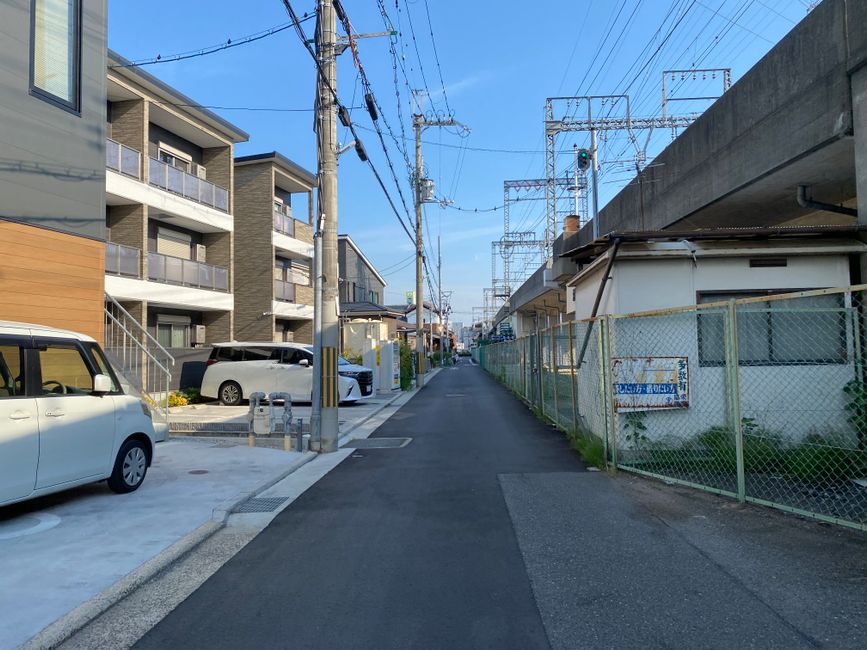
Take Higashiosaka’s Kintetsu Nara Line corridor, home to a cluster of tower blocks near Shin-Ishikiri Station. A 60-square-meter, 3LDK apartment now sells for around ¥22 million, with typical fixed-rate repayments at ¥59,000 per month on a 20-year mortgage (2.1%). By contrast, median rents for the same size flat have climbed to ¥73,000, according to local agency Apaman Shop’s June 2026 listings. In the northern commuter hub of Toyonaka, the difference is even starker: along Honan Dori and near Shonai Station, new 2LDK units rent for ¥80,000 monthly — almost ¥12,000 more than monthly mortgage costs for similar properties. Real estate consultancy Tochi Navi attributes the shift not only to surging rent demand but also to government incentives still available under Osaka’s Home Purchase Support Scheme, which covers some closing costs for eligible households until March 2027.
Local buyers are taking note. "Units in family-friendly precincts, especially near top-rated elementary schools like Uenomiya in Toyonaka, now move much quicker when advertised for sale than for rent," said a manager at GreenHills Realty in Ikuno Ward. But experts warn that these gaps may not last, as construction costs for new builds are already ticking upwards and the 2025 Osaka Expo is expected to put fresh pressure on the housing market.
The Data: When You Do the Math
Statistical data from the Osaka Urban Housing Survey backs up these anecdotes. In May 2026, average monthly rent for a 60-70 square meter family apartment hit ¥68,500 across the outer wards, while average mortgage payments for new buyers settling similar properties stood at ¥54,700. That difference — just under ¥14,000 per month — adds up to more than ¥160,000 each year, excluding ownership perks like tax deductions and remodel options. The cost inversion is heavily focused in station-adjacent family areas in Higashisumiyoshi, Suminoe, and parts of Moriguchi along the Tanimachi and Midosuji lines, with standalone houses in these areas also showing narrowing ownership/rental gaps for the first time since 2015.
However, insiders point out that buyers should factor in taxes, maintenance fees, and a non-trivial down payment — typically 10-15% of the purchase price. Still, with net cost savings on the table and banks such as Osaka Shinkin Bank currently offering promotional fixed rates below 2%, the numbers favor those able to clear the up-front hurdle.
For renters on the fence, the message is clear: run your calculations before signing another fixed-term lease. Side-by-side analyses are available through free appraisal sessions at Namba and Tennoji housing centers, and experts recommend looking to less central, well-connected neighborhoods like Minato-ku’s Chikko district for maximum value. Meanwhile, local policymakers keep a close watch. "If the current trend continues," one housing official at Osaka City Urban Development Bureau said, "we may need to revise our rental support programs before year-end."