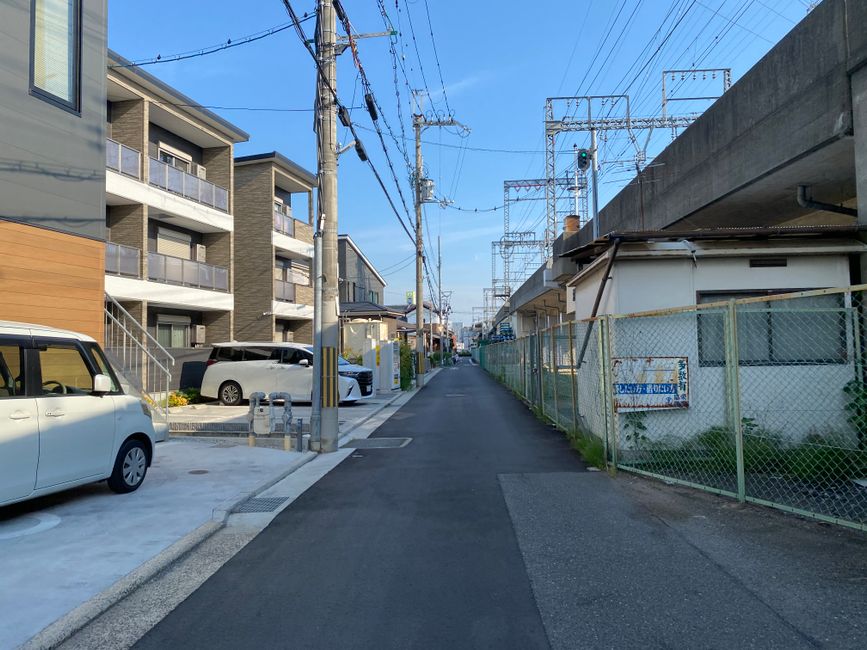
Tsuruhashi resident Mina Fukuda moved into her Gakuentoshi rental last month but didn’t buy a home there. Instead, she purchased a compact apartment in Hirakata — and she's far from alone. As home prices in central Osaka scrape historic peaks, more young professionals and families are splitting their housing strategy: renting where they most want to live, and buying where they can afford.
Why Rent-Vesting Now?
The dual approach, dubbed "rent-vesting" by brokers at companies including Nihon Real Estate Services, is heating up this summer as central city rents stabilize but property prices remain stubbornly high. The appeal: enjoy the city’s hotspots like Namba or Nakazakicho as a renter, but build equity through ownership in districts with more attainable entry points such as Ibaraki or Sakai.
For many, this is a defensive response to Osaka’s yawning rent-vs-buy gap. The latest May 2026 data from the Kansai Real Estate Federation put the average price for a newly built 70m2 condo in Umeda at ¥79 million, while the median rent for a similar-sized unit stands at ¥220,000 per month. Meanwhile, in outer neighborhoods like Awaji, a two-bedroom condo can still be snapped up for under ¥36 million — often with rental yields of 5% or more.
How Locals Are Making It Work
Local property manager Sanko Home reports a growing number of clients, especially in their 30s, choosing to live in the walkable city center — favoring the convenience of renting close to jobs at hubs like Grand Front Osaka or the Techno Alliance Building. At the same time, they’re funnelling savings into apartments in the northern commuter belt. "It’s a way for them to keep commute times short and their lifestyles flexible," said a Sanko staffer, who noted a surge in sign-ups for their monthly rent-and-invest seminars held at the Chayamachi branch since April.
Bank of Osaka mortgage consultant Rina Takahashi confirms that demand for investment loans jumped 12% year-on-year in Q2, while first-home loans for primary residences in the 10 inner wards fell 9% for the same period. Analysts say recent headlines — from global economic jitters to extreme weather ratcheting up insurance costs — are pushing risk-aware buyers to diversify rather than concentrate their exposure in the city core.
Toyonaka and Takatsuki, once considered unremarkable, are now hotbeds for first-time buyers looking for affordable, rentable properties. Local listings site Osaka Maison shows one-bedroom flats near Senrioka Station moving in as little as six days, often to buyers who plan to rent them out rather than occupy them directly.
Next Steps for Would-Be Rent-Vestors
For Osaka residents eyeing this strategy, experts recommend running the numbers closely. Mortgage specialist Sophia Yamada advises factoring in taxes, possible vacancies, and property management fees — especially when buying in less central areas. The Osaka Prefecture government’s "Housing Start" program offers online calculators and seminars tailored to first-time investors. Sanko Home’s next informational session is set for July 18th at their Namba office and is already half-booked.
With no sign that central Osaka property prices will cool this summer, the rent-vesting approach is likely to gain traction. Locals eager for both lifestyle and long-term wealth may find this dual path is not just a trend, but a new normal for Kansai’s crowded real estate market.