Property
Osaka Council’s New Planning Rules to Spur Taller, Denser Developments in City Core
Revised zoning and design regulations set to reshape Namba, Hommachi and other key districts from October.
3 min read
Property
Revised zoning and design regulations set to reshape Namba, Hommachi and other key districts from October.
3 min read
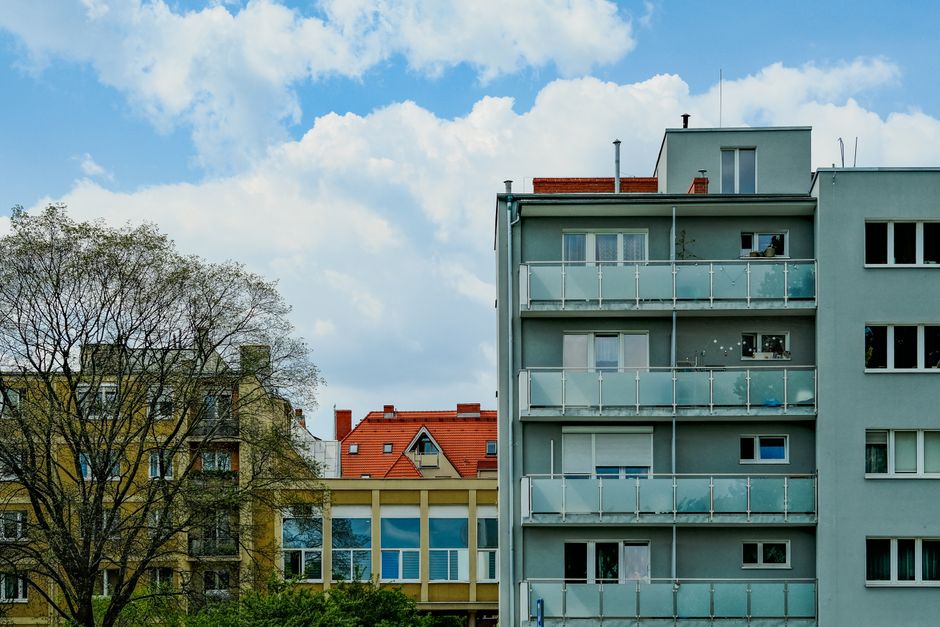
Osaka City Council has approved sweeping reforms to its urban planning code, unlocking increased density and new design flexibility for central neighbourhoods. The revised regulations, signed off late last week, make it easier for developers to build taller apartment and office towers in certain precincts, while mandating updated standards for green space and façade design.
The move comes as Osaka faces a deepening housing squeeze, with demand showing no sign of easing. Average rent for a one-bedroom apartment inside the Loop Line has jumped 12.4 percent in two years, according to the latest survey from Osaka Real Estate Association. City officials have openly worried about middle-income residents being priced out of districts like Namba and Tenma, where redevelopment pressure continues to mount.
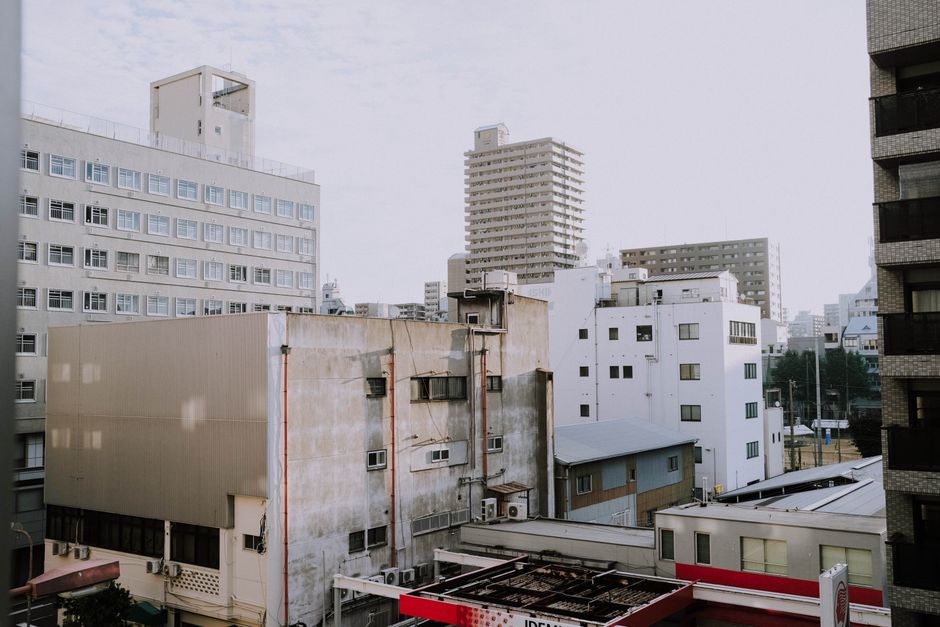
The most immediate impact will be felt in Namba, where the council greenlit a major upzoning of a 17-block section flanked by Dotonbori and Naniwa Park. Developers may now build up to 18 storeys—previously capped at 12—provided they incorporate public access terraces or rooftop gardens. New design guidelines for Hommachi, focused on Midosuji Avenue, introduce strict requirements for climate resilience, including shade canopies and permeable paving on new projects larger than 1,000 square metres.
Landowners in neighbouring Higobashi and Kyomachibori, both under the Central Osaka Regeneration Program, will see a less dramatic but still notable floor-area ratio (FAR) increase. For example, the new FAR in these districts is 600%, up from 480%, which city planners say could yield approximately 1,800 additional housing units by 2029. Osaka Urban Planning Bureau chief Kota Matsumoto, presenting at a briefing on Friday, said the reforms aim to put “functional, comfortable, sustainable urban density” at the heart of Osaka’s rebuilding efforts ahead of the 2030 World Expo bid.
According to city data, the average transaction price for new-build condominiums in central Osaka reached ¥9.2 million per tsubo (about ¥2.8 million per 3.3 square metres) in March, a record high. Vacancy rates in high-demand areas like Umeda have stayed at just 3% for six consecutive quarters. Ruth Kobayashi, a planner at Namba-based firm Smile Design Lab, says the shift could lure more domestic funds: "Institutional investors are watching these changes closely, especially for mixed-use towers near Shinsaibashi."
The planning bureau will begin accepting redevelopment proposals under the new rules on October 1, with a fast-track process for projects that meet the enhanced sustainability criteria. City Hall has promised additional roadshows and workshops in affected districts this summer—dates for Naniwa Library and Nishiumeda Center will be posted online by July 12. Residents are encouraged to attend and review the updated neighbourhood plans, as some provisions, including a controversial relaxation on setback requirements for side streets, remain under public consultation until August 15.
For property owners or buyers considering a move or investment in central Osaka, realtors are already flagging likely price gains in upzoned blocks close to transit; Sakaisuji-Honmachi and Motomachi stations are tipped as "high potential." But industry insiders also warn that competition for qualified designers able to deliver on the tougher façade and greening rules may temporarily slow down the approval pipeline. The council’s new web portal contains full maps, a redevelopment tracker, and pre-application advice for interested builders and residents.
Stakeholders say the changes could set the tone for urban design across Kansai—if Osaka gets it right, other major cities are likely to follow.
About this article
Published by The Daily Osaka
Spread the word
Daily brief
Free, in your inbox before 7am. Weekdays.
The Daily Network — local news across Australia