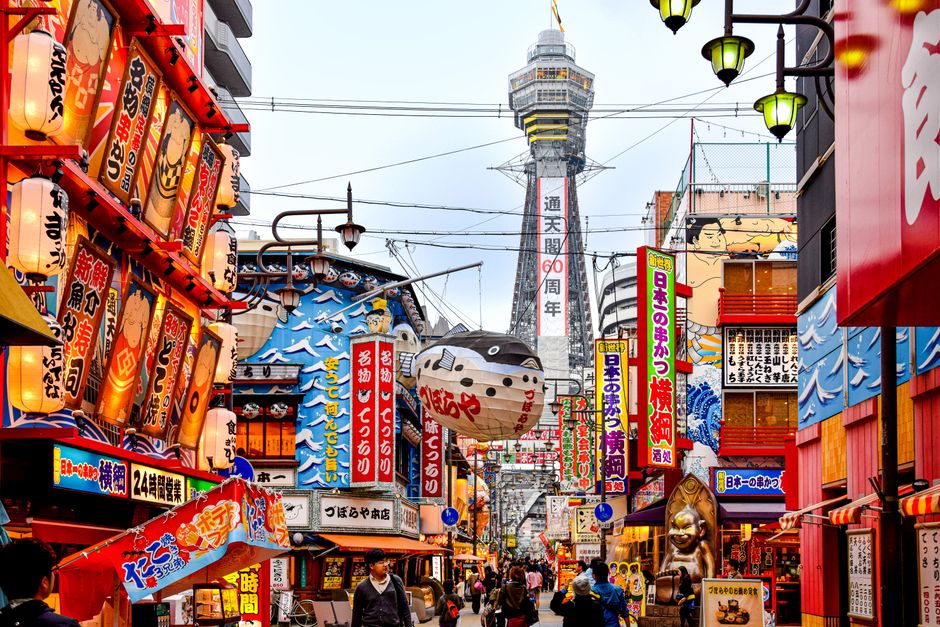
Osaka's street food remains cheaper than most major world cities, but don't expect the bargains your parents found here a decade ago. A bowl of ramen at a standing counter in the Shinsekai district now runs 950 yen to 1,200 yen—roughly $6.50 to $8.20 at current exchange rates. Takoyaki from the stalls along Dotonbori's main drag costs 600 yen for six pieces. These prices haven't skyrocketed like central London or New York, but they've drifted upward steadily since 2023.
The shift matters because Osaka has built its reputation as an affordable Japanese gateway. International visitors planning trips around pre-2024 guidebooks often arrive expecting 1990s prices. The reality is more complicated. Labor costs, ingredient inflation tied to global supply chains, and the weak yen—which has wobbled between 145 and 155 to the dollar since early 2026—have all tightened margins for small vendors. Larger restaurants passing through corporate ownership have pushed prices even higher.
Where Your Money Still Stretches in Osaka
The Kuromon Market, a wholesale fish and produce hub in the Chuo ward that's been operating since 1820, remains genuinely affordable for lunch. A fresh sashimi set at one of the market's informal eating counters costs 1,800 to 2,500 yen. The Osaka Station Building food hall—multiple restaurants in a single complex opened in 2012—offers lunch sets starting at 890 yen for gyudon beef rice bowls. Convenience store fried chicken and prepared bentos still undercut sit-down restaurants by 30 to 40 percent.
Shopping tells a different story. Uniqlo's Namba flagship store maintains Japan prices roughly equivalent to other Asian cities, but imported luxury goods at department stores like Daimaru Osaka in Shinsaibashi carry Tokyo-level markups. A basic Uniqlo t-shirt costs 1,500 yen. A designer handbag at Takashimaya averages 20 to 30 percent more than equivalent items in Hong Kong. The covered shopping arcades of Shinsekai and Dotonbori mix vintage second-hand shops where you'll find genuine deals alongside tourist traps charging triple the asking price elsewhere.
Real Numbers: What a Day Actually Costs
A realistic single day in Osaka in July 2026 breaks down like this: breakfast at a local coffee shop, 700 yen; lunch at Kuromon Market, 2,000 yen; afternoon street food (takoyaki and okonomiyaki), 1,500 yen; dinner at a casual izakaya, 2,500 yen; drinks at a standing bar, 1,500 yen. Total food and drink: roughly 8,200 yen, or about $55. Add 1,000 yen for subway rides across the city for a full day. Museum entry at the Osaka Castle Museum runs 1,200 yen. Accommodations vary wildly—capsule hotels cost 3,500 to 5,000 yen per night, mid-range hotels 8,000 to 15,000 yen, business hotels near the station 6,000 to 9,000 yen.
The Kinki Japan Railway Pass, which covers unlimited travel on regional trains including Osaka's loop line, costs 6,600 yen for a day pass. It's worth buying if you're planning to visit Kyoto or Kobe from Osaka—the round-trip train fare would otherwise run 4,000 to 6,000 yen alone.
When you're planning your budget, don't assume that Osaka is half the price of Tokyo anymore. It's closer to 15 to 20 percent cheaper for food and transport, less for shopping. The vendors working the Dotonbori crowds have learned international tourism math. But the second-tier neighborhoods—head east toward Higashisumiyoshi ward or north toward Ibaraki—still offer authentic Osaka without the tourist markup. That's where local salaryman still grab lunch sets for under 1,000 yen and the ramen tastes better than what you'll find on the main drag. Plan accordingly.