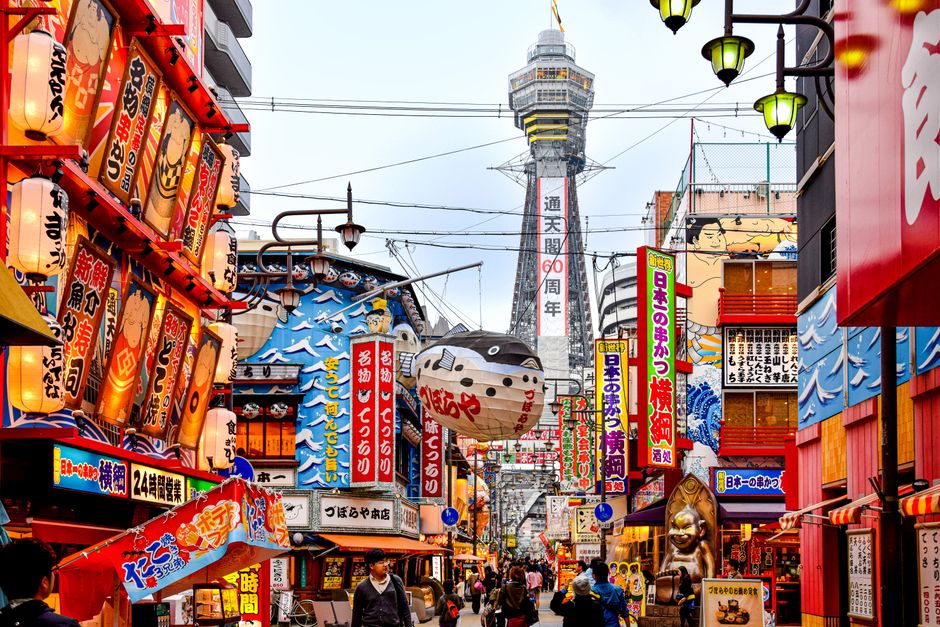
The thermometer hit 34 degrees Celsius on the Dotonbori bridge last Tuesday, but Takeshi Yamamoto barely broke stride. The 62-year-old takoyaki vendor has operated his small stall on Takoyaki Alley for 34 years, working shifts that now start at 5 a.m. to avoid the worst heat. He's not alone in restructuring his life around the climate. Across Osaka's neighborhoods, from Shinsekai to Tenjinbashi, small business owners are reshaping when and how they work—a quiet adaptation that reveals how the city's lifeblood continues flowing even as global temperatures rise.
July in Osaka traditionally brings the Tenjin Matsuri, but this year the festival's organizers added six extra water stations and extended operating hours into early morning and late evening. The decision reflects a broader reality: Osaka's working people—the restaurant staff, market vendors, shop owners and street workers who give the city its character—are navigating a new normal. Over the past three years, heat-related illness in Kansai prefecture has increased by 18 percent according to local health ministry data, pushing businesses to rethink their operations without sacrificing the personal touch that keeps customers returning.
The Markets Keep Evolving
Kuromon Market in central Osaka employs roughly 190 vendors across its narrow corridors. The market's management office introduced a new cooling system last month, dropping temperatures by two to three degrees in peak areas. But the real story lies with the people working there. Michiko Sato, who's sold fresh seafood at her family stall for 28 years, now takes a 30-minute siesta starting at noon. She opens her small shop at 7 a.m., closes from 12 to 12:30 p.m., then reopens until 6 p.m. The schedule cuts her revenue by roughly 8 to 10 percent during summer months, she estimates, but keeps her healthy enough to work year-round.
Shopping districts are adapting too. The Shinsaibashi shopping street, which stretches 580 meters and draws 2.4 million visitors annually, now features open-air misters installed between storefronts. Shop owners report that customers spend more time browsing when the temperature drops even marginally—a win for both foot traffic and employee comfort. Smaller retailers along the Naka-ku avenue have started offering free iced tea to staff during shifts, a practice once considered unusual that's now standard.
Food Culture in Flux
The rhythm of Osaka's food world is shifting too. Traditional okonomiyaki joints in Okonomi-mura (the famous alley with 24 small restaurants) have adjusted their kitchen schedules. Opening at 4 p.m. instead of 5 p.m. means chefs work their hottest hours in early evening rather than peak dinner time. The change is subtle but significant for workers spending hours in front of open flames.
Convenience stores throughout the city report that ice cream and chilled drinks now account for 34 percent of summer sales, up from 28 percent two years ago. But vendors emphasize something else entirely: customers increasingly linger longer in shops, seeking refuge and human connection in air-conditioned spaces. A 7-Eleven manager in Umeda noted that his staff now spend more time in conversation with customers—a return to something simpler than pure commerce.
For visitors planning summer trips to Osaka, the practical advice is straightforward. Visit indoor markets before 11 a.m. or after 4 p.m. Wear light clothing and carry water. But more importantly, spend time observing the people who make this place function. Notice the vendor who remembers your order, the shop owner who adjusts the music to suit the mood, the chef focused on perfecting a recipe that's been in their family for decades. That's where Osaka's true summer story lies—not in the temperature records, but in the people adapting, persisting, and still finding ways to deliver excellence despite the heat pressing down on them.