Osaka's Top Cultural Institutions: Museums and Modern Art You Must See
From the historic artifacts of the Osaka Museum of History to the contemporary installations at Nakanoshima, here is how to navigate the city’s premier cultural institutions.
This article was generated by AI from the linked public sources. The Daily Osaka is independently owned and covers Osaka news free from advertiser or sponsor influence. It is provided for general information only and is not professional, legal, financial, or medical advice. Read our editorial standards →
Osaka’s reputation as a commercial hub often precedes its status as a cultural repository, yet the city houses some of the most significant collections in Japan. Visitors navigating the current exhibition schedules should prioritize the Nakanoshima district, where the concentration of institutions provides a comprehensive look at both Japanese heritage and global contemporary art.
Navigating the City's Core Collections
The Osaka Museum of History, located across from the historic Osaka Castle Park, remains the primary starting point for those looking to understand the city's evolution from a trade port to a modern metropolis. The exhibits span centuries, utilizing excavated foundations and full-scale architectural reconstructions to illustrate the daily life of the Naniwa Palace period. Meanwhile, the National Museum of Art, Osaka (NMAO), situated underground in Nakanoshima, continues to serve as the anchor for modern art enthusiasts. Its subterranean design houses a rotating collection of post-war international and Japanese works, often featuring experimental installations that contrast with the more traditional displays found in local shrines.
For those interested in specialized history, the Osaka Museum of Housing and Living in the Kita ward offers a rare, immersive look at city life during the Edo period. Visitors walk through a life-sized townscape complete with audio-visual depictions of day-to-night cycles, providing a tangible sense of the urban environment that existed before industrialization transformed the waterfront.
Practical Guidance for Museum Visitors
Entry fees across these institutions generally range from several hundred to over a thousand yen, with many venues offering discounted rates for students and seniors upon presentation of identification. The Osaka Amazing Pass provides a practical route for those planning to visit multiple sites in a single day, as it covers admission to several key locations including the Osaka Museum of Housing and Living. Most galleries observe a regular closure day, typically falling on Mondays, though this schedule can change during peak holiday periods.
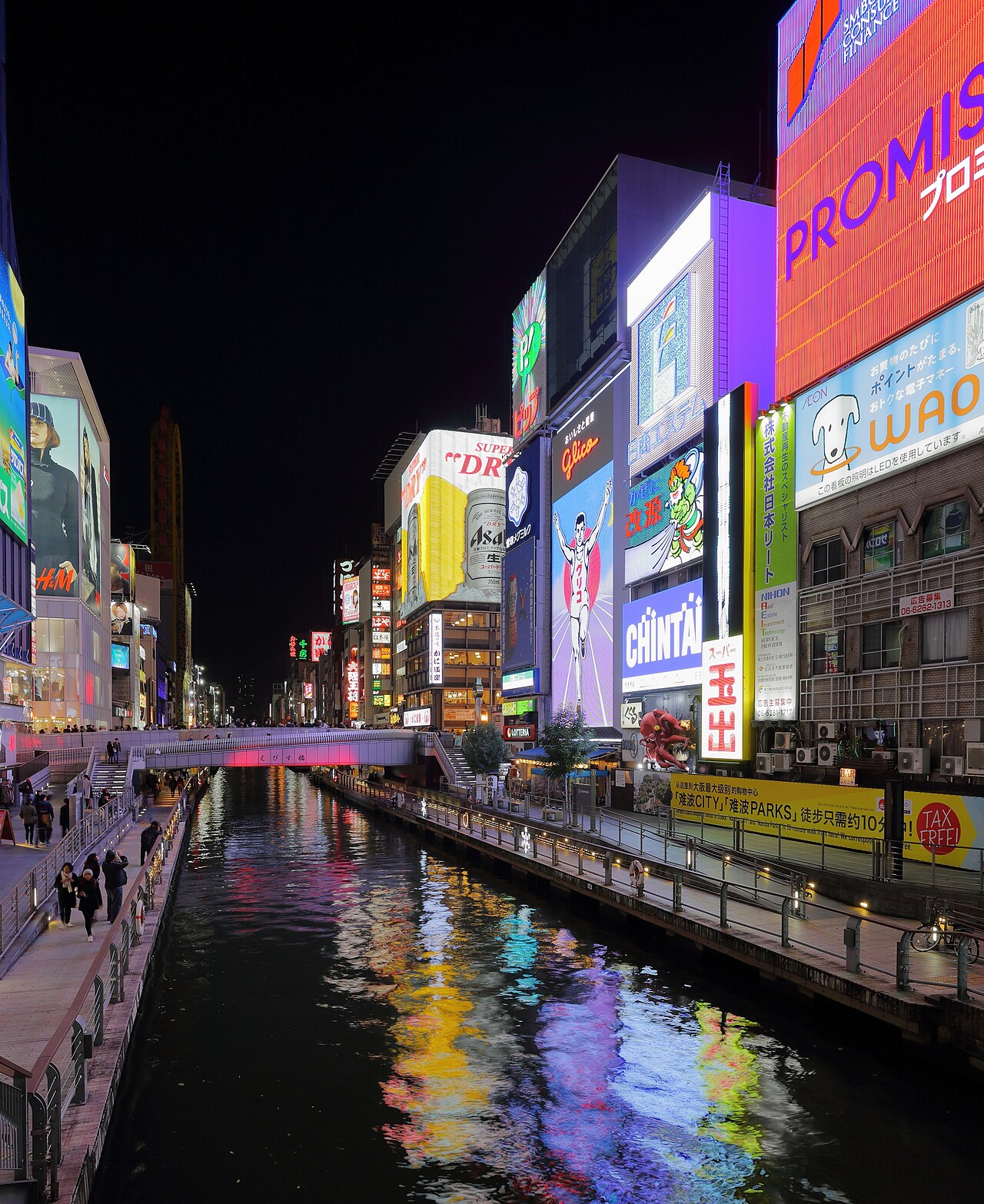
When planning a trip, check the official websites of the Osaka City Museum of Fine Arts and the NMAO, as exhibition rotations are frequent. While the city’s vibrant street food culture in Dotonbori often claims the attention of tourists, the quiet, curated halls of these museums offer a necessary counterpoint. Travelers should allocate at least three hours for each major site to fully engage with the historical context and the permanent collections on display.
Covering culture in Osaka. This article was generated by AI from the linked sources and was not reviewed by a human editor before publishing. See our editorial standards.