The Dotonbori district thrums with the sound of rehearsal drums on a Thursday afternoon. Inside the Sumiyoshi Noh Theatre, a company of five performers is preparing for their July 15 showcase, one of dozens of productions that will unfold across Osaka this month despite mounting uncertainty about international travel and funding streams feeding Japan's arts sector.
July has never been easy for cultural producers in this city. The humidity is oppressive, the summer heat drives tourists indoors, and funding committees often freeze decisions during budget review periods. But 2026 presents a particular set of challenges. Currency fluctuations tied to geopolitical instability have made international artist residencies more complicated to arrange. Several European and American troupes have cancelled planned appearances at venues like the Umeda Arts Theater. Local arts administrators report increased pressure on corporate sponsors still navigating economic uncertainty from global energy and supply-chain disruptions.
Small Venues, Big Plans
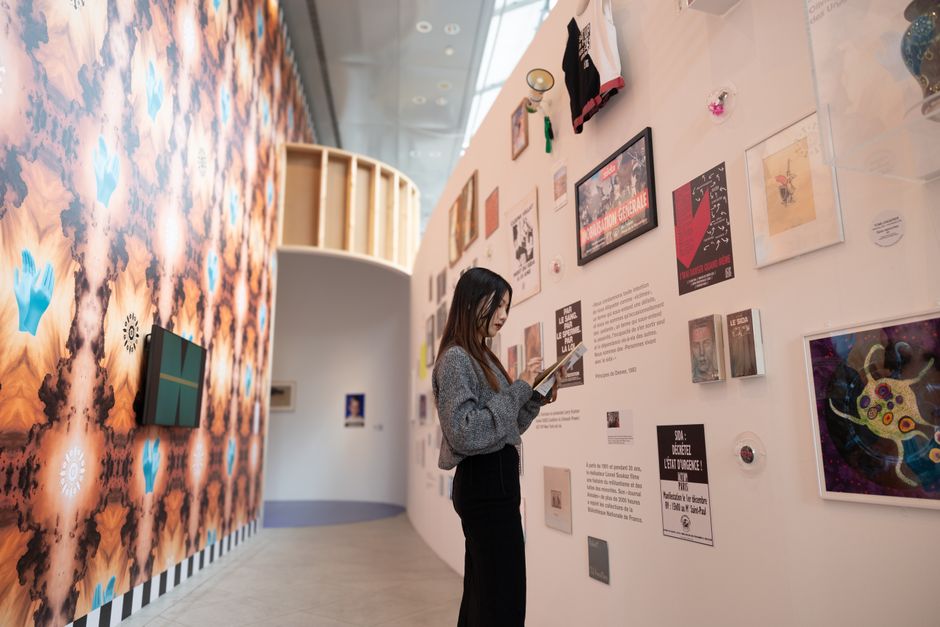
At the Nakanoshima Arts Center in Kita Ward, program director Yuki Yamamoto oversees a July slate that leans heavily into homegrown work. The center, which occupies a converted office building near the Osaka Museum of Oriental Ceramics, will host six separate exhibitions and three performance series. Rental rates at the 300-square-meter main gallery start at ¥180,000 per week, pricing that pushes emerging artists toward collaborative productions where costs are split among multiple creators.
"We've seen more submissions from young artists based in Kansai than we did five years ago," Yamamoto explained during a Tuesday walkthrough. "Some are responding to the difficulty of getting international platforms right now. Others have simply decided Osaka is where they want to build work." The center's July program includes a month-long installation by textile artist collective Ayafibres, whose members work from studio spaces in the Shinchi neighborhood just west of Dotonbori.
Similar patterns emerge across smaller independent venues. The Kitahama Collective, a studio-slash-gallery in Konohana Ward managed by three artists in rotating shifts, is hosting an experimental theater piece called "Monsoon Conversations" from July 8-12. Admission costs ¥2,500 per show. The production, developed over six months by a director and three performers, explores how communities communicate during crisis—a theme that has acquired unexpected urgency given recent global upheaval.
Numbers and Networks
Osaka's cultural sector employs roughly 8,300 people directly in arts and culture roles, according to data released last month by the Osaka Culture Foundation. That figure has held stable since 2023, despite predictions that pandemic-related disruptions would shrink the workforce. The number of independent arts organizations registered with the city has actually grown by 12 percent since 2024, suggesting that creators are choosing self-organization over traditional institutional employment.
Funding dynamics tell another story. The Kansai Arts Promotion Fund, which distributes ¥45 million annually across theater, visual art, music, and dance projects, received 234 applications for July-through-September grants. That represents a 17 percent increase over the same period last year. Competition is tighter, and successful applicants report projects lean toward local or regional themes rather than international touring.
Start times matter too. Several venues have shifted evening performances earlier, to 6:30 p.m. or 7:00 p.m. starts, to help audiences reach home before late trains become crowded. The Sumiyoshi Noh Theatre's July series opens nightly at 6:15 p.m., a departure from the traditional 7:00 p.m. curtain used for the past thirty years.
If you're planning a cultural July in Osaka, book tickets directly through venue websites rather than waiting for last-minute discounts—production budgets are tight. The Nakanoshima Arts Center and Kitahama Collective both offer early-bird discounts of 15-20 percent for purchases made more than five days in advance. The Sumiyoshi Noh Theatre accepts walk-ins but guarantees seating only for advance reservations.