Osaka's arts calendar for July reads like a deliberate challenge to the notion that Tokyo owns Japan's creative soul. The month brings together a convergence of major exhibitions, street festivals and performance spaces activating neighbourhoods from Dotonbori to Kitahama in ways that suggest a city confident enough to define culture on its own terms.
The timing matters. As global cities grapple with economic uncertainty—fuel shortages in Russia, heat-driven mortality spikes across Europe, political instability rippling through multiple regions—Osaka has doubled down on cultural programming as both economic driver and civic identity marker. Local officials view arts investment as essential infrastructure, not luxury spending. The strategy reflects a calculation that cultural vitality attracts talent and investment in ways that transcend economic cycles.
Museums and Galleries Define the Month
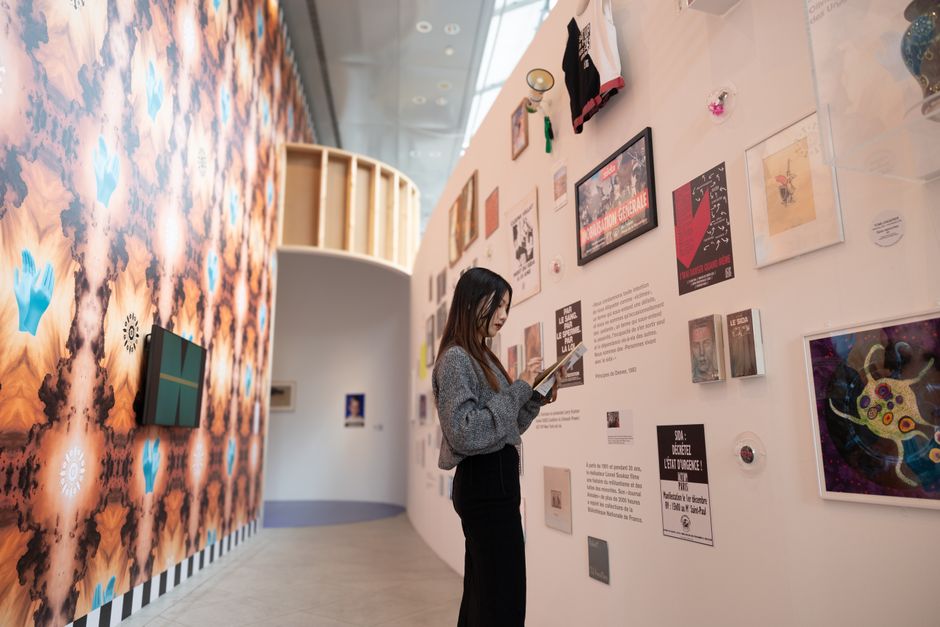
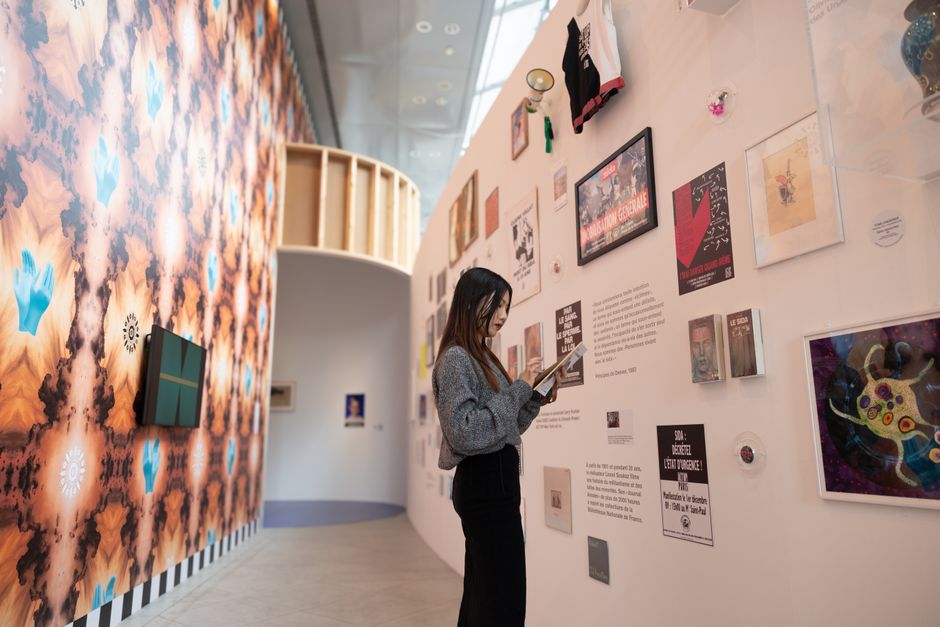
The Osaka Museum of History in Kitahama opened a major retrospective on July 1 examining textile manufacturing's role in the city's postwar growth. The exhibition runs through September 15 and costs 1,500 yen for adults. Museum director Takeshi Yamamoto told staff the show directly counters a persistent perception that Osaka's identity is purely commercial. The curators paired archival photographs from the 1950s with contemporary video installations, positioning textile workers as cultural architects, not just economic units.
Two blocks south, the Contemporary Art Center Osaka (CACO) launched its summer series titled "Diaspora and Return" on June 28, featuring twelve artists working across video, installation and photography. The venue, housed in a converted warehouse on Tenjinbashi-dori, charges 800 yen admission and typically draws 400-600 visitors weekly. CACO's programming director noted that international artists increasingly request Osaka residencies, reversing a decade-old pattern where the city felt like a secondary destination for touring shows.
The Dotonbori district, historically associated with street food and pachinko parlours, is hosting "Neon and Form," a public art initiative running through July 31. Twenty-three commissioned installations reference the neighbourhood's vintage neon signage while employing contemporary materials. The project cost 45 million yen in municipal funding, with the city viewing it as urban renewal that respects rather than erases local character.
Data Shows Shifting Cultural Momentum
Osaka's cultural sector employed 18,400 people in 2024, according to the Osaka Chamber of Commerce—a 12 percent increase from 2019. Museum attendance across the city's major institutions reached 2.8 million visitors in 2025, surpassing Kyoto for the first time in recorded data. Tourism officials attribute this partly to deliberate marketing that positions Osaka as a working creative city, not a heritage museum.
The Umeda Sky Building's gallery space hosts a photography exhibition on Japanese industrial architecture through July 26, featuring images from the 1970s and 1980s that frame factory floors as aesthetic objects. Admission is 1,200 yen. Gallery manager Akiko Sato observed that younger audiences increasingly seek cultural content tied to labour and production rather than purely decorative traditions.
July 12 brings the opening of the Osaka International Performance Festival, a three-week event featuring theatre companies from South Korea, Taiwan and Singapore alongside local groups. The festival uses seven venues across the city, with ticket prices ranging from 2,500 to 6,500 yen. Organizers expect 35,000 attendees based on advance bookings, up from 28,000 last year.
For visitors planning their month: book accommodation early, as July's programming typically fills hotels in Shinsaibashi and Namba. The Osaka Metro's one-day tourist pass (900 yen) covers access to most venues. Most museums close Mondays, though some extend hours during festival weeks. Check individual websites for details, as several venues remain open until 8 p.m. during July specifically to accommodate working visitors.