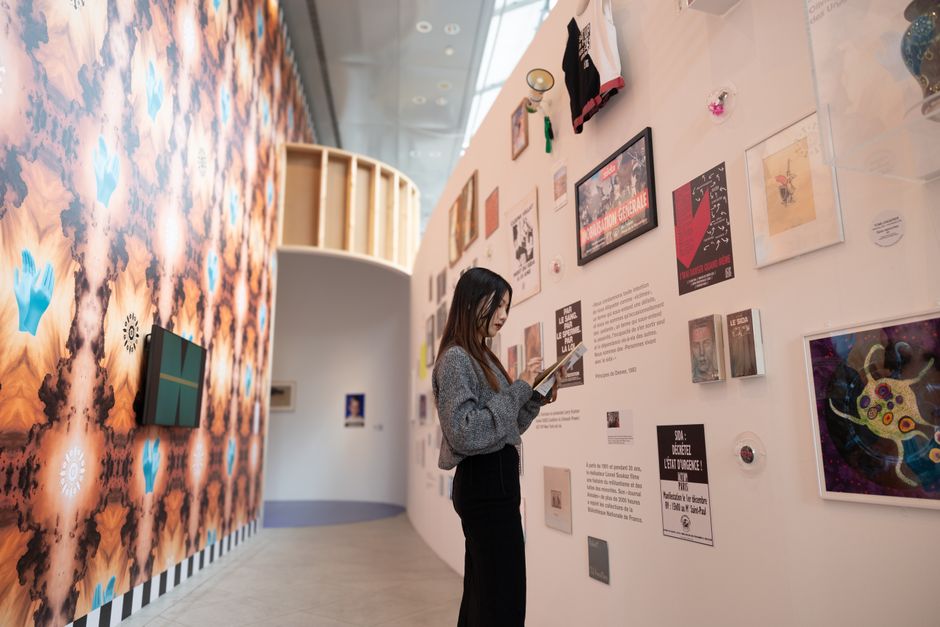
Osaka's museum establishment is making a deliberate pivot toward younger artists this summer, with three major institutions announcing programming dominated by debut exhibitions and emerging voices. The shift reflects broader changes in how the city's cultural sector allocates resources—and signals the next generation of practitioners poised to define the region's art conversation.
The timing matters. Japanese museums have historically prioritized mid-career and established artists. But curators across Osaka say the economics of the art world have shifted. International travel costs have climbed since 2024. Emerging artists now build followings through social platforms before ever stepping into a gallery. And younger collectors—many working in fintech and creative tech sectors concentrated around Kyobashi—want to discover artists early, not encounter them after consensus has already formed elsewhere.
Two Major Institutions Lead the Charge
The Osaka Museum of Art in Koenjicho announced in May that its autumn rotation would dedicate nearly 40 percent of wall space to artists with five years or less of solo exhibition history. That's a significant reallocation. The museum's contemporary wing typically reserves that much space for established names. The shift means pruning some reliable draw—a Gutai retrospective touring from Tokyo gets scaled back—to make room for what the curatorial team calls "underdeveloped talent."
Meanwhile, the ArtCore Namba gallery collective, which operates five connected spaces along Dotonbori Avenue, is launching what amounts to a talent incubator. Starting July 15, ArtCore will rotate new artists through its ground-floor venue every three weeks. Admission runs 800 yen. The program aims to show 48 different artists across the calendar year—a number chosen deliberately to match the rhythm of Tokyo's commercial gallery rotation, but applied here to emerging practitioners rather than already-famous names.
"We're not discovering artists," one ArtCore director explained during the announcement. "We're creating conditions where artists can be discovered by the right people at the right moment."
Numbers Tell a Story
Data from the Osaka Cultural Foundation shows that artists aged 25-35 made up just 18 percent of solo exhibition debuts in the city's institutional spaces during 2023 and 2024. By contrast, artists aged 40-55 accounted for 44 percent of debuts. That disparity now sits at the center of the conversation among curators and administrators, who worry that Osaka risks becoming a city where young artists must leave to establish themselves elsewhere.
The programming changes carry practical stakes. Housing costs in central Osaka neighborhoods like Kitaohashi and Shinchi have risen roughly 12 percent over two years, squeezing younger artists out of the city's most accessible studio spaces. Museums that program emerging artists help create demand for their work—and create economic conditions that might allow practitioners to stay.
The Dotonbori area itself has transformed. Once dominated by tourist-facing entertainment venues, the neighborhood now hosts two dozen artist-run spaces and informal galleries. That ecosystem needs institutional support to stabilize. Gallery owners operating on margins of 4-6 percent cannot sustain themselves through emerging artist shows alone. When major museums like the Osaka Museum of Art signal they're serious about young voices, smaller venues can build sustainable business models around that audience.
What comes next will determine whether this is genuine institutional commitment or temporary trend-chasing. The Osaka Museum of Art's autumn rotation opens September 14. ArtCore's first cohort of emerging artists begins their three-week rotations July 15. Both initiatives run through at least March 2027. If the institutions maintain these commitments beyond one season—if they continue allocating serious curatorial resources and marketing budgets to emerging work—then Osaka's cultural sector has genuinely reoriented. If the programs shrink or vanish after 12 months, they were simply marking time. The city's youngest artists are watching carefully.