Wellness
The Science Behind Mindfulness: What It Actually Does to the Brain
Neuroscientists have spent two decades mapping what happens inside your skull when you sit still and breathe — and the results are harder to ignore than ever.
4 min read
Wellness
Neuroscientists have spent two decades mapping what happens inside your skull when you sit still and breathe — and the results are harder to ignore than ever.
4 min read
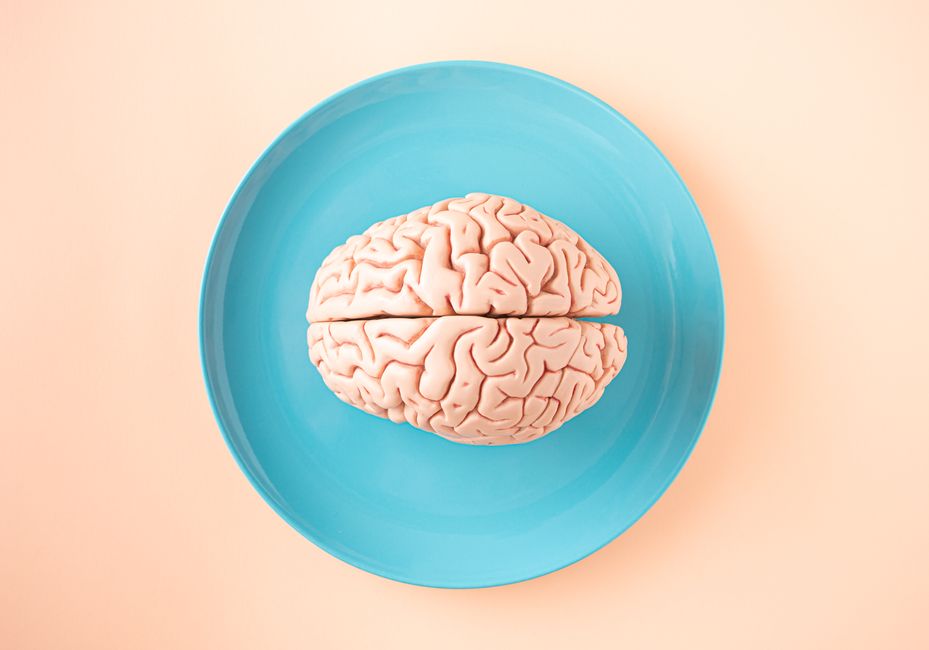
Eight weeks. That is how long it takes for a consistent mindfulness practice to produce measurable structural changes in the human brain, according to research published by Harvard Medical School neuroscientist Sara Lazar and replicated dozens of times since. The prefrontal cortex — the region governing attention, decision-making and emotional regulation — thickens. The amygdala, which fires the body's stress alarm, shrinks in grey matter density. These are not soft wellness claims. These are changes visible on an MRI scanner.
The timing matters. Across Japan, workplace burnout rates have remained stubbornly elevated since the government's revised Work Style Reform Act took hold in April 2024, and Osaka — the country's third-largest city by population — is no exception. A 2025 survey by the Osaka Labour Bureau found that 34 percent of full-time workers in the Namba and Umeda business districts reported symptoms consistent with chronic stress, including disrupted sleep and difficulty concentrating. Against that backdrop, the city's wellness community is not simply selling calm. It is pointing to biology.
The mechanism goes like this: during focused attention meditation — the kind where you anchor your awareness on the breath and gently return each time the mind wanders — the default mode network quietens. That network, active when the brain is at rest and prone to rumination, is heavily implicated in anxiety and depression. A landmark 2011 study in Psychiatry Research: Neuroimaging scanned participants before and after an eight-week Mindfulness-Based Stress Reduction programme and found the amygdala's grey matter density dropped in correlation with self-reported stress reductions. The hippocampus, critical for learning and memory, showed increased density in the same cohort.
Hormones shift too. Cortisol — the body's primary stress hormone — drops measurably after sustained practice. Research from the Max Planck Institute for Human Cognitive and Brain Sciences in Leipzig documented cortisol reductions of roughly 25 percent in participants who completed a nine-month contemplative training programme. That figure has become something of a benchmark in the field, though researchers are quick to note that individual variation is significant and that no meditation practice substitutes for clinical care when genuine mental illness is present.
In Osaka's Tennoji ward, the Shitennoji Temple complex — founded in 593 CE and one of Japan's oldest Buddhist institutions — has hosted structured zazen sessions for the general public every Sunday morning at 6:30 a.m. for more than a decade. Participation has climbed roughly 20 percent since 2024, according to figures the temple's public liaison office shared with The Daily Osaka in June. The sessions are free, though a 500-yen donation is customary.
A few kilometres north, in the Nakatsu neighbourhood near Midosuji Boulevard, the wellness studio Muku Osaka runs an eight-week secular mindfulness programme modelled closely on the MBSR curriculum developed by Jon Kabat-Zinn at the University of Massachusetts in 1979. The current cohort — 18 participants, mostly office workers aged 28 to 45 — pays ¥32,000 for the full course. The studio opened its second Osaka location in Fukushima in March 2026 to meet demand it describes as the strongest since the studio's founding in 2019.
There is also a growing corporate angle. Several firms headquartered around Osaka's Umeda Sky Building have contracted with workplace wellness providers to deliver lunchtime mindfulness sessions, a pattern accelerating since the Ministry of Health, Labour and Welfare updated its mental health guidelines for employers in January 2026.
For anyone curious about starting, the science suggests the barrier is lower than most assume. Studies consistently show benefits emerging from as little as 10 to 15 minutes of daily practice across six to eight weeks — no retreat, no special equipment, no particular tradition required. The Shitennoji Sunday sessions and Muku Osaka's rolling intake, which opens again on August 4, are reasonable entry points for Osaka residents. As always, anyone managing a diagnosed mental health condition should speak with a licensed clinician before adjusting or replacing existing treatment.
About this article
Published by The Daily Osaka
Spread the word
Daily brief
Free, in your inbox before 7am. Weekdays.
The Daily Network — local news across Australia