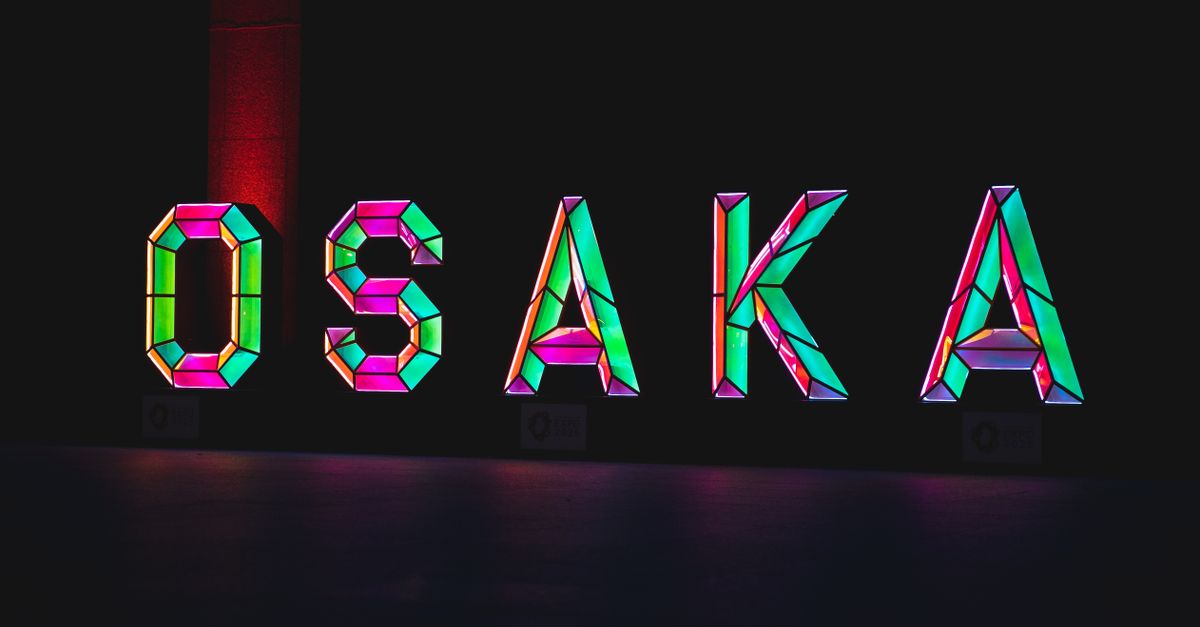
Three breaths. That is all the time some Osaka wellness instructors say you need to interrupt the stress response mid-commute, mid-meeting, or mid-deadline. As Japan's second-largest city accelerates through a tourism and infrastructure boom ahead of the 2025 Expo legacy developments still reshaping the Yumeshima district, residents are reporting higher baseline anxiety — and practitioners who teach breathwork say demand for drop-in sessions has roughly doubled since early 2025.
The timing matters. July in Osaka means tsuyu has finally lifted and the mercury is climbing toward 34 degrees Celsius, the kind of oppressive heat that compounds workplace stress. Add to that the city's notoriously long working hours — a 2024 Ministry of Health, Labour and Welfare survey found that 18.4 percent of workers in the Kinki region logged more than 60 overtime hours per month — and the appeal of a portable, zero-cost stress tool becomes obvious.
What the techniques actually involve
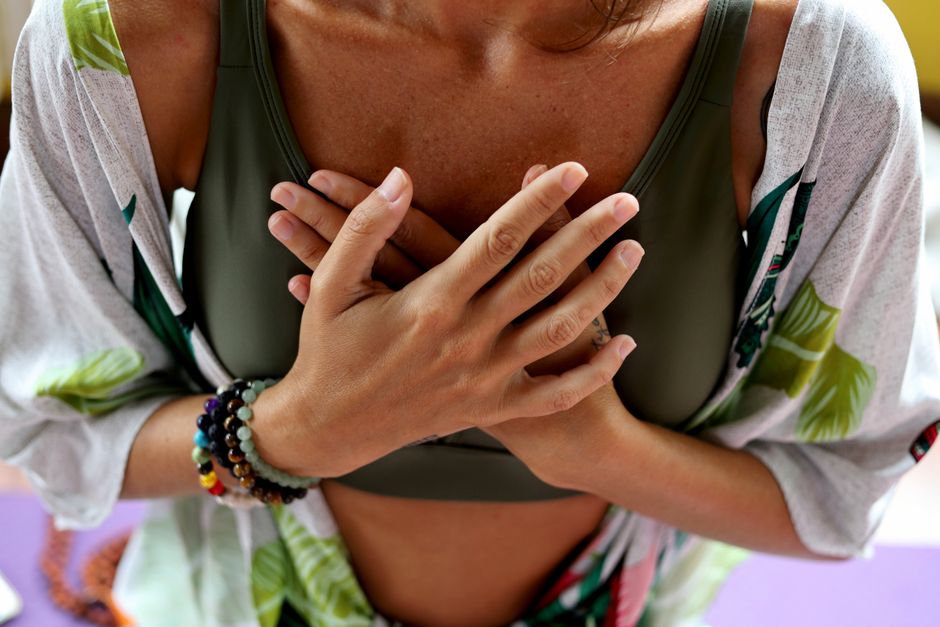
The method attracting the most attention among Osaka practitioners right now is physiological sighing: a double inhale through the nose followed by a long, slow exhale through the mouth. Stanford neuroscientist Andrew Huberman's lab published research in 2023 showing a single round can measurably lower heart rate within 30 seconds. No app. No mat. No equipment.
Box breathing — four counts in, four counts hold, four counts out, four counts hold — is the other technique instructors consistently recommend for office environments. The count gives an anxious mind something concrete to track, which interrupts the loop of ruminative thinking. Practitioners at Osaka Nakanoshima Yoga, which operates out of a studio on the riverside stretch of Nakanoshima between Tosabori and Dojima rivers, have been building four-minute breathwork segments into the start of every lunchtime class since March 2026. The studio charges ¥1,800 per drop-in session, making it one of the more accessible options in the Kita ward.
Mindfulness Osaka, a bilingual community program running free monthly gatherings at the Osaka City Central Public Hall — the red-brick Meiji-era landmark just south of Nakanoshima Park — introduced a dedicated breathwork module in January 2026. Attendance at those sessions has grown from around 25 participants in February to over 70 in June, according to figures the organisation posts publicly on its event pages.
Making it work in the real city
The practical challenge is location. Doing breathwork on the Midosuji Line during morning rush hour is not realistic for most people. Instructors suggest treating the 90-second pause between train doors opening and escalators as a micro-practice window. Namba Parks, the terraced garden complex above the Kintetsu rail lines in Namba, has benches set back from the main retail crowd on its upper garden levels — a workable lunchtime spot that many practitioners in the Namba and Shinsaibashi area already use informally.
For those inside office towers along Honmachi's business corridor, a toilet cubicle works. Five rounds of box breathing takes under three minutes. The physiological effect — a shift from sympathetic to parasympathetic nervous system dominance — does not require silence or darkness, just consistent practice. A 2022 meta-analysis published in Frontiers in Human Neuroscience reviewed 40 controlled studies and concluded that slow-paced breathing at five to six breath cycles per minute produced statistically significant reductions in self-reported stress across diverse populations.
The entry point could not be lower. The Osaka Municipal Gymnasium in Namba has posted a free one-page breathwork guide at its reception desk since May, and the Osaka Prefectural Government's health promotion division lists breathing exercises under its Healthy Osaka 21 third-phase initiative, which runs through March 2028. None of it requires a gym membership, a prescription, or a lengthy commitment. Start with the physiological sigh the next time a deadline lands unexpectedly. Two inhales, one long exhale. Then assess. Anyone seeking guidance tailored to a specific health condition should consult a physician or licensed clinical psychologist based in Osaka.