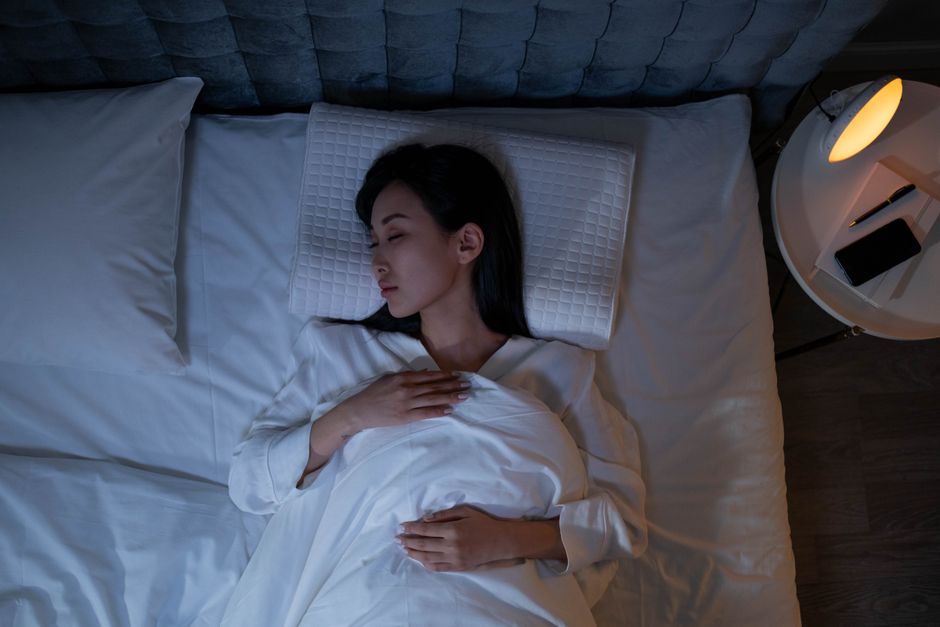
The single most overlooked factor in sleep quality is not stress, not screen time, and not caffeine. It is the physical environment of the bedroom — temperature, light, sound, and air — and most people have never systematically checked any of them. That finding sits at the centre of a growing body of sleep science, and Osaka's active wellness community is starting to take it seriously.
Japan already ranks among the most sleep-deprived nations on record. A 2023 survey by the OECD placed Japanese adults at an average of 7 hours 22 minutes of sleep per night, the lowest in the 33-country study. Within Japan, urban residents in cities like Osaka and Tokyo consistently report worse sleep quality than those in rural prefectures, according to data published by the National Institute of Public Health in Saitama. The combination of dense urban sound environments, smaller apartments with limited ventilation, and high ambient light from streetscaping makes Osaka a textbook case for why environment-focused sleep hygiene deserves more attention.
What the Checklist Actually Covers
Sleep researchers broadly agree on six environmental variables worth auditing before anything else: room temperature, humidity, ambient light, noise, bedding material, and air quality. The ideal bedroom temperature for sleep onset sits between 16°C and 19°C, according to guidance from the Sleep Research Society. In Osaka's famously humid summers — July humidity regularly exceeds 75 percent in the Yodogawa River basin — that target is genuinely difficult to hit without an air conditioner running on a timer. Most sleep specialists recommend setting the unit to switch off around 90 minutes after you fall asleep, rather than running it through the night, which can over-dry the air and disrupt the second half of sleep.
Light is the other major lever. The Dotonbori district's neon signage is visible from upper-floor apartments as far north as Shinsaibashi, and residents in those buildings consistently report difficulty with early-morning waking. Blackout curtains — sold at Nitori's flagship Osaka store in Umeda for between ¥3,800 and ¥9,500 depending on width — can cut ambient light penetration by over 99 percent. That is not a luxury purchase; it is infrastructure. Noise-dampening curtains exist too, though their acoustic benefit is modest against the Midosuji Line trains that run until past midnight.
Humidity control matters independently of temperature. The target range for sleep is 40 to 60 percent relative humidity. Below that, nasal passages dry out and micro-awakenings increase. Osaka Prefectural University's environmental health research unit published findings in 2024 showing that participants sleeping in rooms held at 50 percent humidity reported 18 percent fewer self-reported nighttime awakenings over a two-week trial period compared to those in uncontrolled environments. A basic ultrasonic humidifier from Yodobashi Camera's Namba branch runs from ¥4,500 upward.
Local Resources and Where to Start
Several Osaka-based wellness programs have begun incorporating sleep environment assessment into broader health frameworks. The Tempozan Health Promotion Centre in Minato Ward offers a quarterly lifestyle audit program — the next session runs in September 2026 — that includes a sleep questionnaire covering environmental factors. The fee is ¥2,200 per session. The Nakatsu district has also seen a cluster of specialist bedding retailers open since 2024, including a branch of the Kyoto-founded Mumine store on Tenjinbashi-suji, which offers in-store consultations on pillow height and mattress firmness calibrated to individual sleeping posture.
Air quality is the checklist item most consistently skipped. Fine particulate matter from Osaka's Hanshin industrial corridor can enter poorly sealed apartments. A HEPA-filter air purifier placed near the bed — not across the room — measurably reduces particulate exposure during the eight hours when the body's respiratory system is working hardest. Models certified under Japan's SHK air purifier standard start around ¥12,000.
The checklist is not complicated. Temperature, humidity, light, noise, bedding, air. Check one variable this week. Adjust it. Give it ten days before assessing the result. The environment was always part of the equation; most people just assumed they couldn't change it. For anyone wanting personalised guidance, a consultation with a local sleep clinic — Osaka University Hospital's sleep medicine outpatient department in Suita accepts referrals year-round — is the appropriate next step.