Wellness
Osaka Schools Launch Mindfulness Programs in 2026
Tennoji to Namba classrooms integrate breath work and stillness practices with growing evidence of student wellness benefits.
4 min read
Wellness
Tennoji to Namba classrooms integrate breath work and stillness practices with growing evidence of student wellness benefits.
4 min read
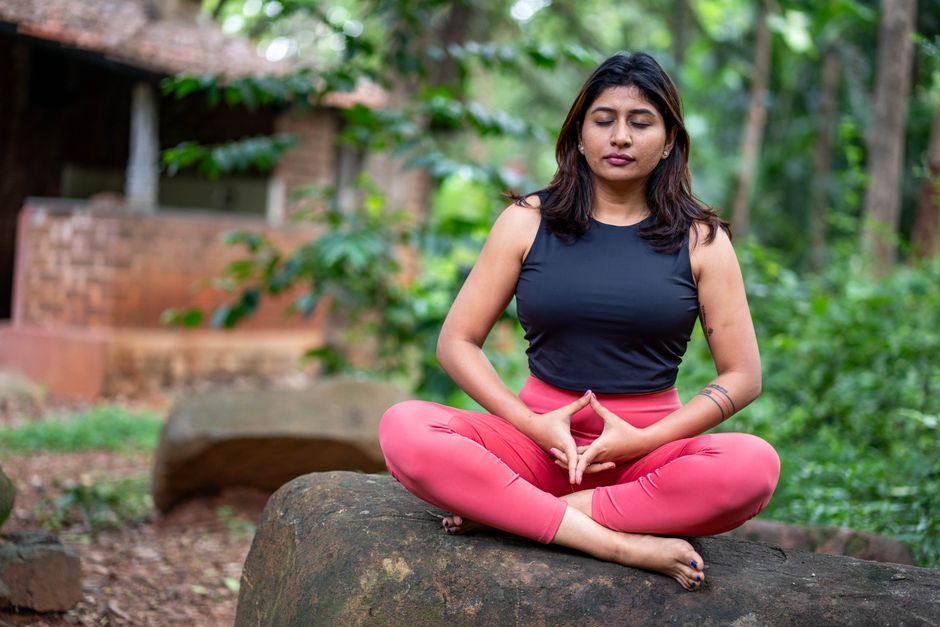
More than 40 elementary and junior high schools across Osaka Prefecture have introduced some form of structured mindfulness or meditation practice into their weekly schedules since the 2024 academic year, according to figures released by the Osaka Prefectural Board of Education in June 2026. The number represents a threefold increase from the 13 pilot schools that participated in the original 2021 trial program, and administrators say demand from parent-teacher associations is still outpacing available resources.
The timing matters. Japan's Ministry of Education, Culture, Sports, Science and Technology — known as MEXT — flagged student mental health as a national priority in its fiscal 2025 reform package, pointing to record-high absenteeism rates: roughly 299,000 elementary and junior high students were classified as long-term absentees in the 2023–24 school year, the highest figure since modern tracking began. In a city as dense and schedule-saturated as Osaka, where juku cram schools line the backstreets of Shinsaibashi and Horie, teachers and school counsellors have been looking for practical tools that don't require a budget overhaul.
The most established local initiative is the Osaka Kokoro Project, a nonprofit that has been placing trained facilitators inside public schools in the Tennoji and Abeno wards since October 2022. The project runs 20-minute morning sessions twice a week, typically built around breath-awareness exercises adapted from the UK-based Mindfulness in Schools Project curriculum, localised for Japanese classroom culture — no cushions, no incense, just seated breathing and guided attention exercises conducted at students' own desks. Participation is opt-in, and the facilitators report that uptake among Year 5 and Year 6 cohorts now regularly exceeds 80 percent at partner schools.
In the Namba and Chuo-ku area, a separate program operates through Terako-ya Mindful, a community learning centre on Sakaisuji street that partners directly with three nearby municipal elementary schools. Their approach skews slightly older — targeting second-year junior high students aged 13 to 14 — and incorporates short body-scan exercises alongside age-appropriate discussions about stress and sleep. Monthly family workshops, open to parents for a ¥500 participation fee, have been running since April 2025 and reportedly drew over 200 attendees in the June 2026 session alone.
Osaka City's own school counsellor network has also begun recommending the Hamon (波紋) curriculum, a Japanese-developed mindfulness framework produced by researchers at Osaka University's Graduate School of Human Sciences in Suita. Hamon was designed specifically for the Japanese school environment, with session lengths capped at 15 minutes to fit inside homeroom periods, and it has now been adopted in at least 17 city schools. A peer-reviewed study published in the Japanese Journal of Educational Psychology in March 2026 found that students who completed eight weeks of the Hamon program reported a statistically significant reduction in self-reported anxiety scores — a 23 percent drop compared to a control group.
For families in Osaka wanting to access these programs, the entry points vary. The Osaka Kokoro Project accepts school referrals through its website and holds public information evenings at the Tennoji Ward Office community hall, typically on the first Thursday of each month. Terako-ya Mindful's family workshops can be booked directly at their Sakaisuji premises; the next session is scheduled for August 7, 2026. Schools in Suita or northern Osaka City interested in the Hamon curriculum can contact Osaka University's outreach office directly for a no-cost assessment visit.
For students who want to explore mindfulness outside school hours, several community centres in Umeda and Fukushima-ku now offer youth-focused meditation sessions on Saturday mornings, most priced between ¥300 and ¥800 per session. Apps such as Meditopia, which has a Japanese-language interface, have also seen a sharp rise in downloads among Osaka teenagers, according to the company's regional data from the first quarter of 2026.
None of these programs are a clinical intervention, and any student experiencing significant anxiety or mental health difficulties should be referred to a qualified professional — school counsellors or a local child psychiatrist at a facility such as Osaka City General Medical Center in Miyakojima-ku are the right first call. But as a preventive tool built into the ordinary rhythm of a school day, mindfulness practice in Osaka's classrooms has moved well beyond the experimental stage.
This article was compiled by AI and screened before publishing. See our editorial standards.
About this article
Published by The Daily Osaka
Spread the word
Daily brief
Free, in your inbox before 7am. Weekdays.
The Daily Network — local news across Australia