Wellness
Walking Meditation: How to Turn Your Daily Walk into Mindfulness
Osaka's streets and riverside paths offer some of Japan's best terrain for kinhin — and practitioners say five minutes is enough to start.
4 min read
Wellness
Osaka's streets and riverside paths offer some of Japan's best terrain for kinhin — and practitioners say five minutes is enough to start.
4 min read
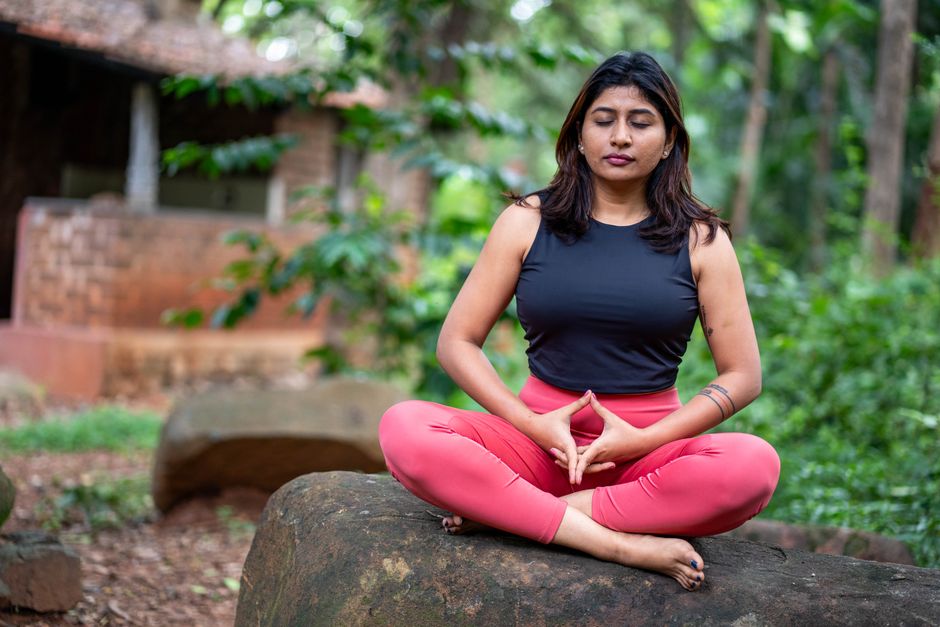
More Osaka residents are ditching the meditation cushion and taking their practice outdoors, drawn to a centuries-old Zen technique called kinhin — walking meditation — that requires nothing beyond a pair of shoes and the willingness to slow down. Instructors at the Nakanoshima-based wellness collective Midori Mindfulness report a 40 percent rise in inquiries about outdoor mindfulness sessions since January 2026, a jump they attribute partly to post-pandemic habit shifts and partly to the sheer accessibility of the city's riverfront trail network.
The timing matters. Japan's Ministry of Health, Labour and Welfare flagged in its 2025 annual white paper that roughly 60 percent of working-age adults in the Kinki region report chronic stress — a figure that has barely moved in three years despite a proliferation of corporate wellness programs. Seated meditation classes fill up fast in Osaka's Namba and Umeda districts, but dropout rates are high. Walking, by contrast, people are already doing. The question practitioners and researchers are now pressing is how to make those existing minutes count.
The Okawa River path, running roughly 4.2 kilometres along the eastern bank between Tenmabashi and Sakuranomiya stations, has become something of a de facto outdoor meditation corridor. On weekday mornings before 8 a.m., the path is quiet enough that practitioners can focus on foot placement and breath without competing with bicycle commuters. The Osaka Castle Park moat circuit — a 3.3-kilometre loop — draws a similar crowd on weekends, particularly the pine-shaded northern stretch near Nishi-no-maru Garden.
Formal guidance is available. The NPO Osaka Mindfulness Centre, headquartered in the Higashi-Umeda neighbourhood, runs a six-week Kinhin Foundations course for ¥8,400 — less than a single private yoga session at many city studios. The course meets Saturday mornings at 7 a.m. and moves between three outdoor sites including Utsubo Park in Nishi Ward, a location instructors favour for its broad gravel paths and relative shade in summer. The organisation recommends participants commit to just five minutes of structured walking practice per day between sessions, a threshold backed by a 2023 study published in Frontiers in Psychology showing that brief, intentional slow-walking sessions reduced self-reported anxiety scores by 18 percent over four weeks.
Kinhin is not a stroll. The classical Zen version, practised between periods of seated zazen, involves taking one breath per step, hands folded at the abdomen in shashu position, eyes cast downward at roughly 45 degrees. Modern adaptations are less rigid. The core principle is synchronisation: breath anchors attention to each footfall, and footfall anchors attention to the body, cutting off the mental chatter that dominates ordinary walking.
Osaka Mindfulness Centre instructors suggest beginners start with a ten-step loop on any flat surface — a hallway, a park path, even a quiet side street in Shinmachi — before extending duration. The shift from ordinary walking to kinhin is marked by pace: most people need to slow to roughly half their normal speed before they notice what their feet are actually doing. That deceleration is uncomfortable at first, particularly in a city that moved more than 2.7 million commuters through Umeda Station alone on a typical pre-pandemic weekday.
Heat is a practical factor in July. Osaka's average daytime temperature this week sits around 35 degrees Celsius, and the Japan Meteorological Agency has issued heatstroke advisories across Osaka Prefecture through mid-month. Early morning — before 7 a.m. — or evening walks after 7 p.m. near the cooled air of the Dotonbori canal are the sensible windows. Carry water. The practice loses little by being done in ten-minute segments rather than one continuous block.
Anyone experiencing anxiety, sleep disruption or stress-related symptoms should speak with a local GP or psychiatrist before relying solely on self-directed mindfulness. The Osaka City Mental Health and Welfare Centre on Namba-naka 2-chome offers free telephone consultations on weekdays. Walking meditation is a complement, not a replacement, for clinical care — but for many people in this city, it may turn out to be the most sustainable wellness habit they never knew they were already almost doing.
About this article
Published by The Daily Osaka
Spread the word
Daily brief
Free, in your inbox before 7am. Weekdays.
The Daily Network — local news across Australia