Auction Clearance Rates in Osaka Drop for Third Month: What the Signals Really Mean
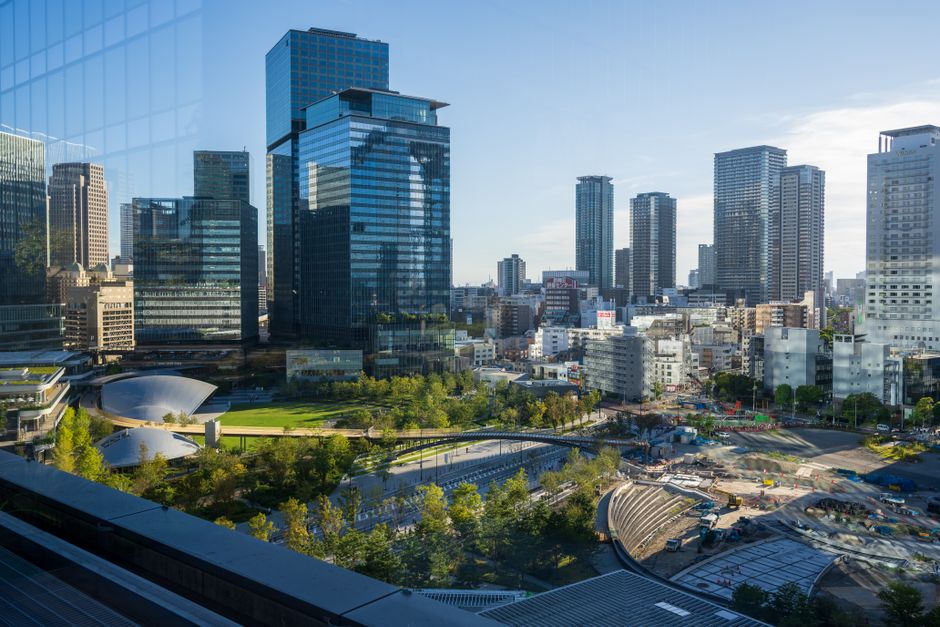
Auction success rates are slipping across the city’s core, hinting at shifting buyer strategies and supply surges in neighbourhoods from Umeda to Abeno.
This article was generated by AI from the linked public sources. The Daily Osaka is independently owned and covers Osaka news free from advertiser or sponsor influence. Read our editorial standards →
Osaka’s auction clearance rate dropped to 57% in June—down seven points from March’s high—according to new figures from the Kansai Property Listing Service (KPLS) released Thursday. It marks the third consecutive month of decline in successful residential property sales under the gavel in the city, underscoring a cooling in one of Japan’s liveliest real estate markets.
Property auctions serve as a barometer for buyer sentiment and supplier willingness in Osaka, a region where price rises have outpaced the rest of Kansai this past year. When clearance rates begin to shrink, it’s often the first publicly visible sign of shifting bargaining power—either sellers are aiming too high, or buyers have grown cautious. With July seeing a deluge of new listings across Chūō-ku and Kita-ku, talk of a “new phase” is rippling through mamachari agents and institutional investors alike.
Auctions Speak Louder Than Listings in Dōjima and Tennoji
In high-traffic areas like Dōjima, the city’s brokerage hotspot, agents at Sanko Estate report that only 12 out of 22 apartments sold at auction last week—well below the neighbourhood’s 70% average clearance rate over the previous year. By contrast, in Abeno, home to the city’s tallest skyscraper (HARUKAS), consecutive failed auction bids for family condos along Abiko-suji have been blamed on aggressive seller reserve prices, sometimes 5% above the latest JREI appraisals. At the same time, the rise in auction listings from mortgagees—particularly properties near Osaka Uehommachi Station—suggests supply-side nerves, with homeowners eager to cash out before further softening.
KPLS data puts June’s citywide median auction sale price at ¥44.7 million, a 2.1% drop from April (¥45.6 million). On average, properties offered at auction this quarter have languished for 19 days before hammer time, a noticeable increase from just 11 days in Q1. Osaka Real Estate Council’s data dashboard tracks a 12% year-on-year rise in total auction listings, the highest since 2018, with the thickest clustering in former hot-zones like Namba and Shin-Osaka, where investors are reportedly shifting attention towards medium-term rental conversions.
Buyers Eye Leverage as Inventory Swells
What’s next for bidders and sellers? Auction-watchers in Fukushima-ku believe clearance rates may dip further over summer, as inventories swell around Nagahori-dori and Nagai. For would-be buyers, this signals increasing leverage—bidding below reserve is no longer wishful thinking, especially for stock lingering unsold since May. Owners on the fence may want to consider pre-auction negotiated sales or modest price reductions rather than risk multiple failed auction passes, which are now being tracked on Osaka Prefectural Property Portal and can stigmatize listings. Apartments near Honmachi and Yodoyabashi with green views are holding value best, but even there, agents caution sellers to review reserve levels against current market fatigue. With the next quarterly KPLS statement due August 3, the coming weeks may clarify just how deep this recalibration goes.
Covering property in Osaka. This article was generated by AI from the linked sources and was not reviewed by a human editor before publishing. See our editorial standards.