Property
Ikuno-ku: The Affordable Osaka Suburb Outperforming All Its Neighbours
Long seen as a bargain address, Ikuno-ku’s housing boom is now outpacing price rises in Tennoji and Hirano.
3 min read
Updated 1 h ago
Property
Long seen as a bargain address, Ikuno-ku’s housing boom is now outpacing price rises in Tennoji and Hirano.
3 min read
Updated 1 h ago
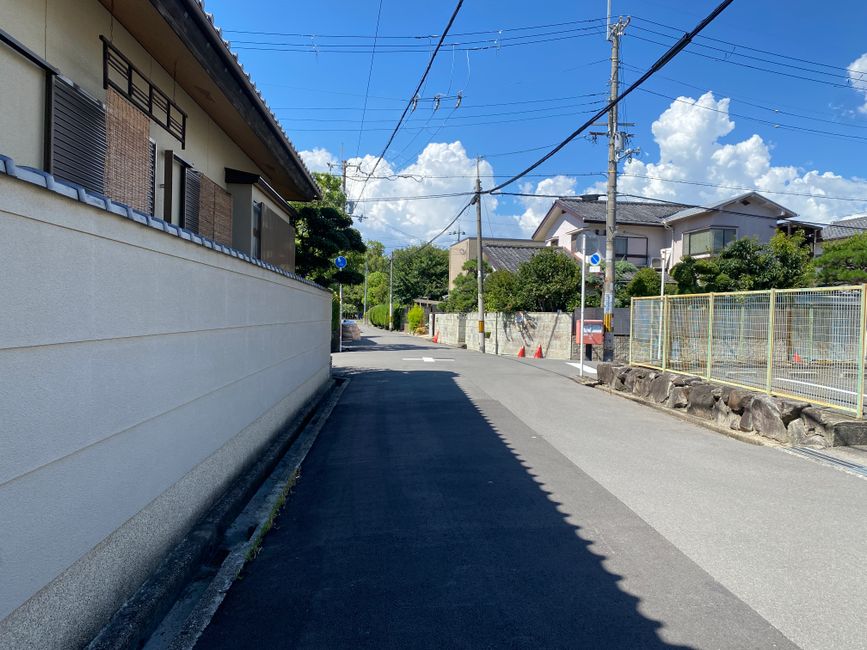
Ikuno-ku, traditionally overshadowed by buzzier Osaka wards, has quietly surged to the front of the city’s property market. According to fresh figures from Kansai Real Estate Network, Ikuno-ku notched up a 16% increase in average apartment sale prices over the past 12 months, outpacing neighbouring Tennoji (11%) and Hirano (7%). The sharp rise is rewriting the script for a suburb better known for its market stalls and down-to-earth charm than speculation and surging values.
This breakout performance matters now because, amidst record-high prices in central Osaka—where apartments near Umeda station fetch an average ¥105 million—affordability is top of mind for first-time buyers and investors. Recent increases to minimum mortgage rates by Resona Bank and Sumitomo Mitsui Banking Corporation have made inner-city repayments tougher. Meanwhile, Ikuno-ku’s median apartment price remains ¥41 million, still below the city average, offering a rare mix of accessibility and upside potential.
Walk the arcades off Tsuruhashi station, and the change is visible. The old wholesale wagyu shops and Korean barbecue restaurants still anchor the area, but now they're joined by new build-to-rent complexes run by Takashimaya Fudosan and recently refurbished buildings along Shindo Dori. Two stops from Namba on the Kintetsu Line, residents get convenience at a fraction of the central wards' costs. Ikuno Ward Office has leaned in, promoting housing grants for families under the "Ikuno Atarashii Ie" (New Home Ikuno) program, helping first-time buyers with pre-approval navigation and renovation rebates.
Data from Osaka Fudosan Joho Network confirms the shift. In June, the average time a new apartment spends on the market in Ikuno-ku was just 17 days—down from 34 a year ago, and now faster than both neighbouring Tennoji (24 days) and the once hot-spot, Abeno (20 days). Meanwhile, rental yields in the suburb sit at 5.8% according to Suumo’s annual analysis, easily clearing the wider Osaka City median of 4.6%.
The current wave of buyers is a diverse group: young families squeezed out of Chuo-ku, Tsutenkaku-area creatives, and increasingly, Southeast Asian investors looking for Osaka’s next up-and-coming address. With the city’s light rail extension to Momodani due to complete this October, agents expect demand to increase along Shinsekai border streets such as Ikuno-Nishi 2-chome and Nakagawa 4-chome.
For those considering a move, experts from the Osaka Housing Consultation Center recommend getting pre-approved for financing and registering early for local housing programs. The next application round for Ikuno’s own new-home grant opens August 1, with a dedicated guidance event at the Ikuno Civic Center on July 21.
While affordability and momentum have drawn buyers to Ikuno-ku, local agents warn that the window may be narrowing. With inventory tightening and more buyers eyeing the area thanks to fresh transport links, those waiting for prices to fall may find the suburb’s moment as Osaka’s investment hotspot is already underway.
Property

Property

Property

Property
About this article
Published by The Daily Osaka
Spread the word
Daily brief
Free, in your inbox before 7am. Weekdays.
The Daily Network — local news across Australia