Property
Build-to-Rent Developments Gain Ground in Osaka: What They Offer Tenants
Shin-Osaka and Nishi-Umeda see a wave of build-to-rent projects, challenging buyers with better amenities and shorter commitments.
3 min read
Property
Shin-Osaka and Nishi-Umeda see a wave of build-to-rent projects, challenging buyers with better amenities and shorter commitments.
3 min read
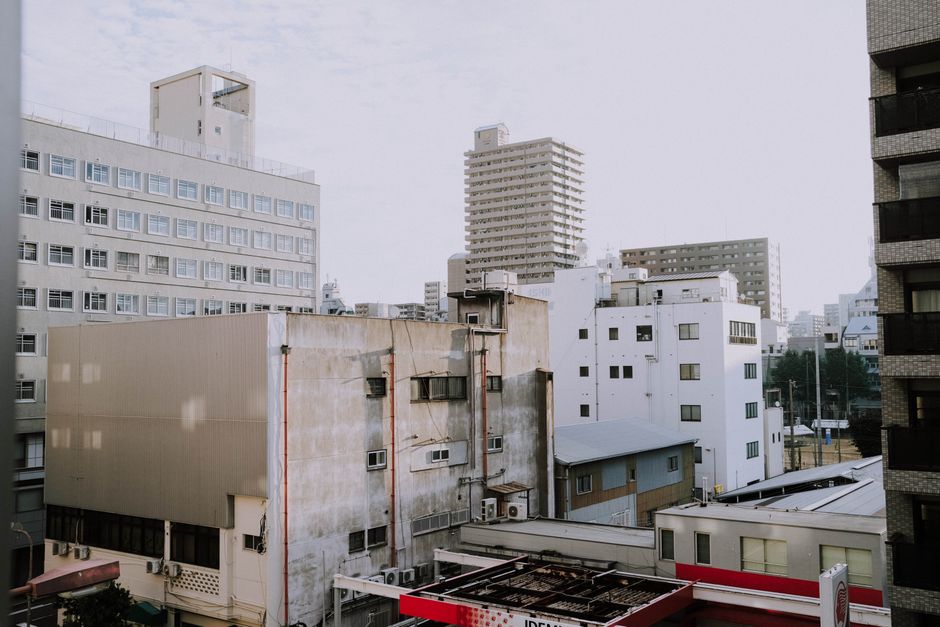
The build-to-rent (BTR) model is redefining Osaka’s rental market, giving tenants high-end amenities and flexible lease terms without demanding the long-term investment of homeownership. At the new Kiara Residence on Midosuji Avenue in Shin-Osaka, the first phase is fully occupied less than six months after launch. The development—one of three large BTR complexes to open this year—signals a shift in how Osaka residents weigh the apartment rental-versus-buying equation.
The change comes as property prices in central Osaka continue to outpace wage growth, putting traditional ownership further out of reach for many. While Kishiwada and Sumiyoshi wards are also seeing continued construction of for-sale condos, rapid inflation has tilted calculations for young families and professionals. Rising mortgage rates, which now hover at 1.82% for most major banks, are making buyers think twice. At the same time, urgent heatwave warnings and post-pandemic hybrid work habits have increased demand for modern, well-ventilated rental homes with community space and on-site management.
In addition to Kiara Residence, the new Lumiere Osaka tower near Nishi-Umeda station, managed by Daiwa House, is offering tenants exclusive gyms, rooftop terraces and dedicated co-working areas—features rarely available in older rental stock. Monthly rents for a one-bedroom at Lumiere reach ¥150,000, roughly 18% higher than the average for similar Nishi-Umeda apartments. But residents say the all-in approach, with regular cleaning services and smart home tech included, makes up for the premium.
Operators like Mitsui Fudosan Residential are targeting mid- to high-income singles and couples, offering contracts from 12 months with the option to renew or upgrade units. Each lease comes with package delivery lockers, free bike parking, and even organized tenant social nights in several complexes. The focus is on stability and community, aiming to entice would-be buyers squeezed out by rising deposit requirements—often now over ¥3 million for a central Osaka mortgage.
According to Osaka Real Estate Appraisal Association data released in June 2026, the average purchase price for a new 60-square-meter apartment in Chuo Ward climbed to ¥53 million, up 7% year-on-year. Monthly repayments, including insurance and management fees, can top ¥180,000—higher than typical BTR rents. By contrast, citywide median rent for a comparable new build-to-rent unit stands at ¥138,000, with upfront costs (mainly key money and two months’ deposit) significantly lower than a down payment. The trend appears sharpest among renters aged 28-42, with one in four surveyed by SUUMO in April citing BTR amenities as the main draw.
Yet the appeal is not just economic. As heatwaves drive record use of air conditioning, modern BTR complexes offer highly efficient cooling systems and insulated windows—a relief for tenants worried about electric bills and health. Developers point out that these upgrades, now mandated under the city’s 2025 residential standards, are typically missing from decades-old manshon blocks in Tanimachi or Fukushima.
Industry analysts at Nomura Research predict more than 2,700 new BTR apartments will hit the Osaka market within the next 18 months. For tenants, the immediate challenge is navigating the premiums for top BTR amenities versus older stock with lower rents but far fewer services. Experts suggest renters prioritize developments with fixed rent escalation clauses and energy-saving certifications, now listed on most major property portals. For buyers, patience may be needed—a sharper correction in central Osaka pricing is unlikely in the short term, according to Mitsui’s latest forecast. In the meantime, the city’s build-to-rent boom is giving tenants new leverage and flexibility, as Osaka’s urban core continues to grow denser and more competitive.
Property

Property

Property

Property
About this article
Published by The Daily Osaka
Spread the word
Daily brief
Free, in your inbox before 7am. Weekdays.
The Daily Network — local news across Australia