Wellness
Screen time and sleep: what the research actually shows
As smartphone use surges in Osaka, experts point to new findings about how digital habits are affecting the city’s sleep and wellbeing.
3 min read
Updated 1 h ago
Wellness
As smartphone use surges in Osaka, experts point to new findings about how digital habits are affecting the city’s sleep and wellbeing.
3 min read
Updated 1 h ago
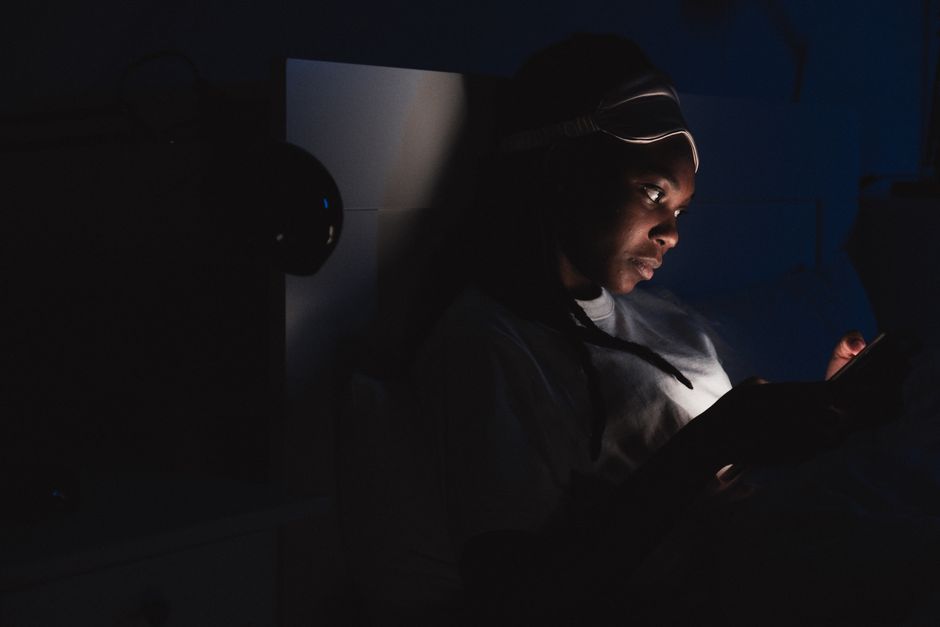
Osaka residents are staying up later and waking less refreshed than ever before, and new research suggests extended screen time may be largely to blame. A fresh set of data from Japan’s National Institute of Public Health highlights a clear link between evening device usage and persistent sleep disruption, calling into question long-held assumptions about digital routines.
The findings land at a time when both parents and professionals in Osaka are struggling to balance the demands of a hyper-connected lifestyle. As digital devices have become essential for work, study and leisure, many locals now report that screens are intruding into every corner of daily life – and often, the late-night hours. Sleep specialists at Osaka Red Cross Hospital report a sharp uptick in young adults reporting insomnia and irregular sleep, a trend mirrored at clinics in Chuo Ward and at the health centre in Abeno Harukas.
In Kusunoki-cho, a neighborhood just northeast of Umeda Station, younger workers are frequently seen at all-night internet cafés or clustered at smartphone charging stations outside commercial hubs like Grand Front Osaka. The local wellness studio NemuNemu, which began hosting digital detox yoga sessions at ¥2,200 per class last spring, has seen their evening slots fill up through August. “Many of our clients come straight from offices along Midosuji or finish online university courses late at night,” says one staff member, noting that NemuNemu’s 8pm candlelit sessions are now the most requested.
Osaka City University’s Center for Sleep and Circadian Biology has tracked more than 600 local high school and university students over the past two years. Their 2026 report, presented in May, found that students who use smartphones or tablets within one hour of bedtime are over 60% more likely to fall asleep later than those who set their devices aside earlier. The same group reported nearly double the rate of next-day sleepiness, impaired focus, and mood swings compared to their less-connected peers.
The Japanese Society of Sleep Research now places late-night screen use among the top three causes of chronic sleep deprivation in under-40s, alongside high caffeine consumption and irregular work schedules. The average Osakan checks their smartphone 155 times per day, according to data from communications giant NTT Docomo – well above the national average of 130. Blue light from phones and tablets interferes with natural melatonin production, the sleep hormone responsible for winding the body down.
To address these concerns, public health officials in Osaka are piloting an evening “Screen-Free Hour” campaign in Naniwa Ward, encouraging families to power down all devices after 9pm. Several schools on the south side of Dotonbori, including Osaka Municipal Minami High School, have started tracking student sleep habits and distributing blue-light-blocking glasses for use after dark. Prices for these protective glasses have dropped to around ¥1,500 at electronics shops on Nipponbashi’s Den Den Town strip, making them accessible to most families.
Osaka’s growing roster of wellness offerings—including new after-dark meditation classes at Spa World in Shinsekai—suggests locals are eager to reclaim the night hours. For anyone struggling with restless sleep, the research now points to one thing above all: powering down screens before bed, especially in the hour before sleep, is one of the most effective ways to improve nightly rest and daytime energy. As digital tools become ever-present in city life, setting firmer boundaries may be the key to better sleep for Osaka’s residents in 2026.
About this article
Published by The Daily Osaka
Spread the word
Daily brief
Free, in your inbox before 7am. Weekdays.
The Daily Network — local news across Australia


