Sport
Sweat Equity: The Grassroots Story Behind Osaka's Community Sport Movement
From Namba to Tsuruhashi, volunteer coaches and neighbourhood clubs are quietly building a sporting culture that professional franchises cannot replicate.
4 min read
Sport
From Namba to Tsuruhashi, volunteer coaches and neighbourhood clubs are quietly building a sporting culture that professional franchises cannot replicate.
4 min read
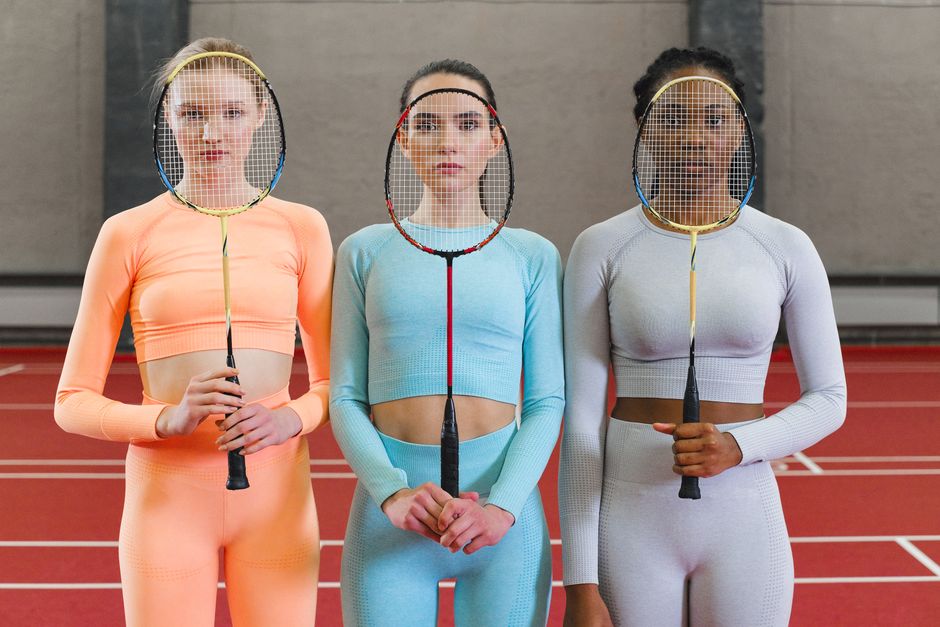
More than 340 community sport clubs registered with the Osaka City Board of Education by the end of June 2026 — a number that has grown 18 percent since the city completed its post-Expo 2025 infrastructure push. The figure is not a headline grabber on its own. But walk into the Tsuruhashi Sports Center on a Tuesday evening, or catch a weekend session at Namba Parks' outdoor court, and the sheer density of ordinary people chasing balls, lifting weights and running drills tells a story the professional game rarely gets around to telling.
The timing matters for reasons that go beyond local pride. With global temperatures still punishing Europe — France recorded more than 2,000 excess deaths during a single heatwave peak this past fortnight — Osaka's urban planners have been pushing sport participation as both a public-health intervention and a heat-resilience strategy. Early morning training slots before 9 a.m. are now specifically subsidised at six ward-level facilities, partly because the city's public-health bureau documented a 12 percent rise in heat-related hospital admissions during the summers of 2023 and 2024. Getting people active in cooler hours, officials argue, reduces long-term cardiovascular risk while keeping them out of peak-temperature windows.
The Gamba Osaka academy and Cerezo Osaka's youth system pull most of the camera flashes, but the organisations doing the unglamorous work operate out of places like the Konohana Ward Community Gymnasium near Sakurajima Station and the Sumiyoshi Sports Plaza in the city's southern residential belt. The Sumiyoshi FC Juniors, a grassroots football club founded in 2011, now runs six age-group teams with 87 registered players — every single one coached by a volunteer who completed the Japan Football Association's C-licence course, which runs ¥18,000 per applicant. The club charges families ¥3,500 per month, roughly half the fee at privately operated academies in Chuo Ward.
Cycling and futsal have also surged. The NPO group Osaka Sport for All, headquartered in Tennoji, reported in its April 2026 quarterly update that futsal court bookings across its five managed venues rose 31 percent year-on-year, with the biggest jump — 44 percent — coming from players aged 35 to 54. The organisation attributes that spike partly to the three new indoor courts that opened inside the redeveloped Nanko area in Suminoe Ward in February 2026, cutting travel time for residents in the city's coastal districts by an average of 22 minutes per round trip.
Cerezo Osaka finished the first half of the 2026 J1 League season in fifth place, four points behind leaders Kawasaki Frontale, but the club's community development office will tell you the 14 satellite training sessions it ran in Hirano Ward between January and June 2026 reached more than 600 children — a larger direct footprint than any single match day. Gamba Osaka, meanwhile, has committed ¥40 million to its grassroots fund for fiscal year 2026, channelling money into equipment grants for clubs in Yodogawa and Higashiyodogawa wards, two of the city's higher-density residential zones.
The rugby community has been quieter but steady. Kintetsu Liners, the Osaka-based club competing in the Japan Rugby League One, extended its school outreach programme to 22 primary schools in the Higashiosaka area this spring, up from 15 in 2025. Officials there say the 2019 Rugby World Cup still resonates — enrolment in junior tag rugby programmes across the city hit 1,240 registered players in May 2026, the highest since records began in 2020.
For families looking to get involved, the Osaka City Sports Promotion Division is holding open registration days at 11 ward gymnasiums on the second Saturday of July — that is July 11 — from 9 a.m. to noon. Participation in trial sessions is free. The full directory of community clubs, including weekly schedules and contact details for volunteer coordinator roles, is available through the city portal at sports.city.osaka.lg.jp. The waiting lists for some Naniwa Ward basketball programmes are already running six weeks long, so early registration is practical, not optional.
About this article
Published by The Daily Osaka
Spread the word
Daily brief
Free, in your inbox before 7am. Weekdays.
The Daily Network — local news across Australia