Politics
Osaka Voters Choose: Major Infrastructure or Local Services Investment
Voters will decide between competing economic visions for the city, with candidates offering different priorities for transportation, port development, and neighborhood investment.
How we reported this
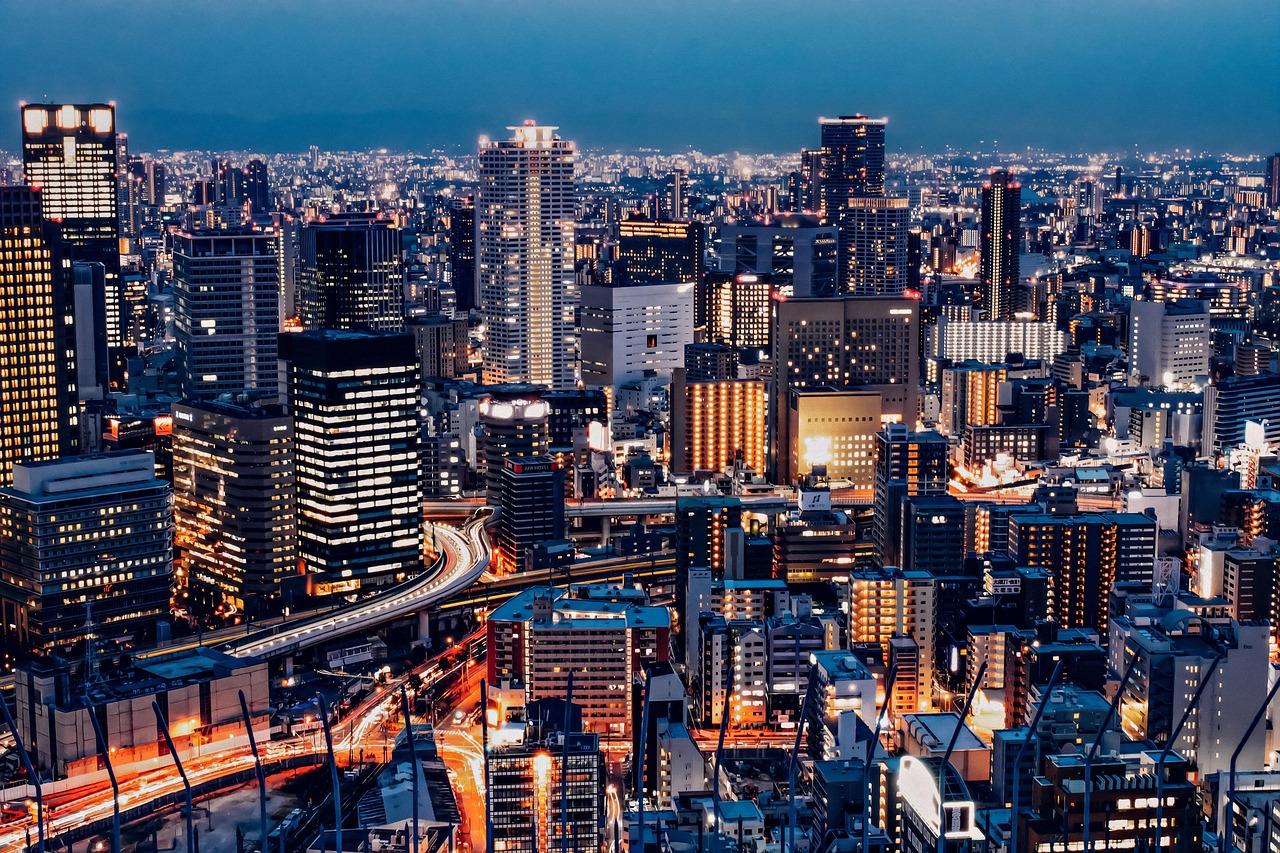
OSAKA, As the city heads towards a pivotal election, the central debate shaping the campaigns is not one of ideology, but of concrete and steel. Candidates are presenting voters with two distinct paths for Osaka's future: a continued focus on large-scale infrastructure and tourism projects, or a strategic shift towards upgrading essential local services and supporting small businesses across the city's wards.
The election comes at a critical time for Osaka. With the economic landscape still recalibrating after the global pandemic and the city looking to build on the legacy of the recent Osaka-Kansai Expo, long-term decisions on public spending carry significant weight. The outcome will directly influence everything from daily commutes and housing affordability to the city's competitiveness as a global business hub for the next decade.
Competing Blueprints for Growth
The incumbent party's platform champions the completion of major ongoing projects. Central to their pitch is the development on Yumeshima island, which they argue will secure long-term tourism revenue and create thousands of jobs in construction and hospitality. Their proposals also include further upgrades to the Port of Osaka to handle increased shipping volume and modernizing key transport hubs like the Umeda station area to improve connections for international visitors and corporate headquarters.
In contrast, opposition candidates are advocating for a reallocation of funds toward neighborhood-level improvements. Their platform emphasizes boosting the frequency of municipal bus and subway lines, particularly in outlying residential areas. They also propose increased investment in public childcare facilities and subsidies for small, independent businesses in traditional 'shotengai' shopping arcades. Proponents of this approach argue it delivers more immediate and tangible benefits to long-term residents and builds a more resilient local economy.
The Resident's Bottom Line
For Osaka residents, the choice translates into different potential realities. The infrastructure-first approach, its backers claim, promises job creation in specialized fields and a more dynamic, internationally recognized city. A family in the construction industry might see more opportunities from projects around the bay area. However, critics suggest this strategy risks neglecting the immediate needs of residents, potentially leading to strained public services while resources are focused on marquee developments.
The community-focused alternative aims to directly address daily concerns. A parent in Tennoji could see shorter waitlists for preschools, while a shop owner in Namba might receive grants for storefront modernization. For commuters, this plan could mean less crowded trains. The trade-off, according to policy analysts, might be slower overall regional economic growth and a potential decline in the city's ability to attract large-scale international investment compared to other major Asian cities.
Voters will make their decision at the polls next month. The winning platform will not only gain control of the municipal government but will also be handed the authority to shape Osaka’s budget and, by extension, the daily life of its residents for years to come.