News
Osaka Tests Asia's Most Aggressive Urban Cooling Plan
As global cities face deadly heatwaves, Osaka deploys innovative strategies to cool urban spaces—a model other Asian capitals are watching closely.
4 min read
Updated 4 h ago
News
As global cities face deadly heatwaves, Osaka deploys innovative strategies to cool urban spaces—a model other Asian capitals are watching closely.
4 min read
Updated 4 h ago
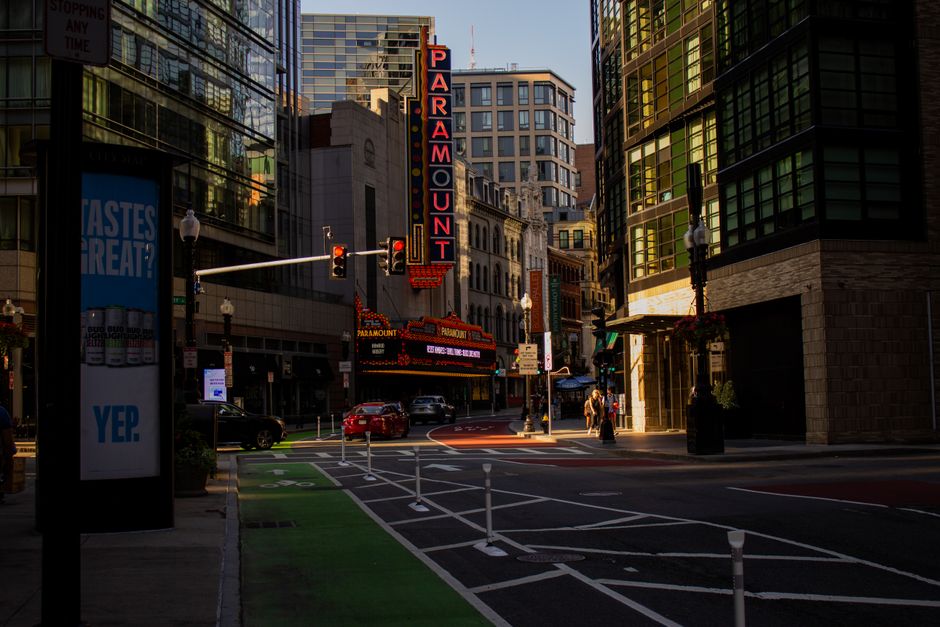
Osaka recorded a high of 38.4 degrees Celsius on July 1, the third consecutive day above 37 degrees in the metropolitan area, pushing the city's heat emergency response into its highest operational tier for the first time since the protocol was revised in March 2025. The Osaka Municipal Government activated 312 designated cooling shelters citywide, including community centres in Naniwa Ward and the Osaka City Central Public Hall near Nakanoshima — a historic building now doubling as a refuge for elderly residents who cannot afford to run air conditioning at home.
The timing matters. France has just reported 2,025 excess deaths during its own peak heatwave period, and public health officials across Europe are reassessing urban preparedness in real time. Osaka sits in a different climate band — the city's humid subtropical conditions make dry-bulb temperature comparisons with Paris misleading — but the underlying challenge is identical: how do you keep dense, ageing urban populations alive when the heat does not break at night?
The city's answer has two main components. First, the Cool Spot Network, a program administered by the Osaka City Bureau of Environment that signs up private businesses — convenience stores, pharmacies, banks — as free rest points open to anyone showing heat distress. As of July 3, the network lists 4,817 registered spots across Osaka's 24 wards, up from roughly 3,200 in summer 2023. Seven-Eleven and FamilyMart locations along Midosuji Boulevard are among the most visited, according to ward-level data published last month.
Second, the city has been expanding its "mist street" infrastructure since 2024. The stretch of Amerika-Mura in Namba and the covered shopping arcade of Tenjinbashisuji — at 2.6 kilometres, Japan's longest shotengai — now have misting systems that local government data suggests can reduce perceived temperature by four to six degrees Celsius in the immediate vicinity. The systems cost roughly ¥2.8 million per 100-metre installation, and the city earmarked ¥340 million for expansion in its fiscal 2026 budget approved in February.
Seoul, which shares Osaka's subtropical summer and a similarly dense urban core, deployed a comparable shelter network during its own July heat emergency this week, activating 2,100 "cooling centres" across 25 districts. But Seoul's programme relies more heavily on subway stations, while Osaka has deliberately spread its network into smaller neighbourhood anchors, partly because the Osaka Metro system itself becomes uncomfortably hot during peak hours on above-ground sections of the Tanimachi and Sakaisuji lines. Chicago's 2025 Heat Emergency Plan, often cited in academic literature after the city's catastrophic 1995 event, now uses a real-time dashboard to track shelter capacity — a feature Osaka's Bureau of Environment said in a May briefing document it plans to adopt by March 2027.
Osaka's elderly population is the sharpest vulnerability. The city's proportion of residents aged 65 and over reached 28.3 percent in the April 2026 census update, slightly above the national average. Welfare officers in Higashinari Ward conducted 1,140 individual wellness checks in the first two days of July alone, according to ward office figures. That is manpower-intensive work, and Higashinari has one of the highest concentrations of single-person elderly households in the city.
The Osaka Prefecture Disaster Prevention Research Centre has warned that overnight low temperatures staying above 28 degrees — so-called tropical nights — are now occurring on average 42 nights per summer, compared with 22 nights in the 1990s. That statistic has driven the push for expanded shelter hours; several facilities in Tennoji Ward are now open around the clock rather than closing at 9 p.m. as they did as recently as last summer.
Residents should check the updated Cool Spot map on the Osaka City official portal, which was refreshed on July 2. Anyone experiencing dizziness or nausea is advised to contact the city's heat emergency line at 06-6208-9400 rather than waiting for symptoms to worsen. The current extreme heat advisory is expected to remain in effect through at least July 7, when a weather system from the Sea of Japan may finally bring some relief to the Kinki region.
About this article
Published by The Daily Osaka
Spread the word
Daily brief
Free, in your inbox before 7am. Weekdays.
The Daily Network — local news across Australia