Finance
Equities Surge, But the Bond Market Is Telling a Different Story
Gold at $4,187 and a weakening yen signal that beneath Wall Street's euphoria, investors are quietly pricing in something more troubling.
4 min read
Updated 2 h ago
Finance
Gold at $4,187 and a weakening yen signal that beneath Wall Street's euphoria, investors are quietly pricing in something more troubling.
4 min read
Updated 2 h ago
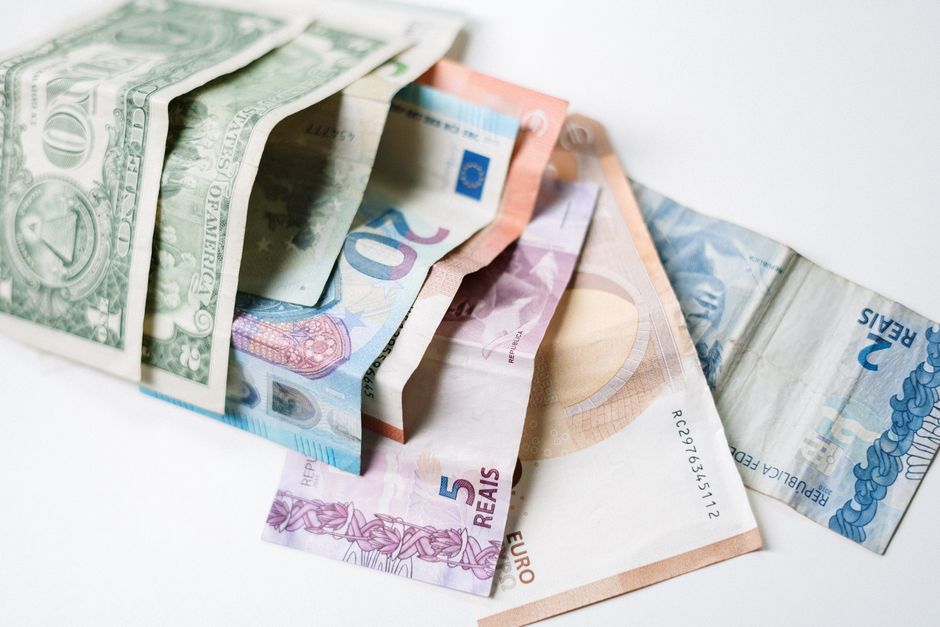
The S&P 500 climbed 1.71% to 7,483 on Friday, and the Nasdaq Composite added 1.87% to close at 25,833 -- numbers that, on the surface, suggest a market firing on all cylinders. But the day's real signal came from elsewhere. Gold surged 4.10% to $4,187 per troy ounce, Bitcoin jumped 6.66% to $62,456, and crude oil slid 2.78% to $68.78 a barrel. Read those three moves together and a less comfortable picture emerges: investors are rotating into inflation hedges and speculative stores of value while simultaneously selling the commodity most closely tied to real economic growth. The bond market, which does not appear in equity headlines, is the interpretive key to all of it.
When gold rises sharply on a day equities also rally, the standard explanation, that risk appetite is simply broad and indiscriminate, starts to break down. Gold at these levels reflects a specific anxiety: that fiscal deficits in major economies are large enough, and persistent enough, that sovereign debt is quietly losing its status as the clean safe haven it once was. Treasury markets have spent much of 2026 under pressure from supply, with the U.S. government running substantial issuance to fund spending commitments. Bond investors absorbing that supply have demanded higher compensation, pushing yields up along the curve. Higher yields, in turn, erode the present value of future earnings, which should weigh on equities. That they have not done so consistently is partly a function of momentum, partly artificial intelligence spending euphoria concentrated in Nasdaq heavyweights, and partly the effect of a dollar that is simultaneously being sold against other currencies.
The USD/JPY rate fell 0.28% to 161.34, which sounds like good news for Japanese households watching their import bills. In practice, a yen sitting at 161 against the dollar remains near multi-decade weak territory, and for Osaka-based investors the effect is double-edged. Toyota, Sony and Keyence, which together carry enormous weight in the Nikkei 225, benefit when the yen is weak because their overseas revenues translate back into more yen. The Nikkei accordingly added 0.40% to 69,744, a solid session. But pension savings denominated in yen buy less when priced in global terms, and imported energy costs stay elevated even as WTI crude softens. A family in Namba paying utility bills this summer is not celebrating the oil slide in the way a U.S. consumer might.
The bond market tension matters specifically for the Nikkei because the Bank of Japan has spent years in a uniquely exposed position. The BoJ holds a vast share of Japanese government bonds on its balance sheet, and any normalization of its yield curve control policy puts upward pressure on domestic yields. Rising Japanese yields, if they arrive, would strengthen the yen and directly compress the earnings forecasts for Osaka's export-oriented blue chips. That dynamic explains why currency traders watch U.S. Treasury moves so carefully when setting positions on USD/JPY. When U.S. yields rise because investors demand more to hold Treasuries, the interest rate differential between the U.S. and Japan narrows less quickly than equity markets assume, and the yen does not recover as fast as a pure purchasing power argument would suggest it should.
Crude oil's 2.78% drop to $68.78 is, in isolation, welcome for Japan's trade balance. Japan imports virtually all of its oil, and softer WTI prices reduce the current account pressure that the weak yen has been inflicting on the economy since 2022. But the reason oil is falling matters as much as the fall itself. If the decline reflects slowing global industrial demand rather than a supply glut, it is consistent with bond markets pricing in weaker growth ahead, the same growth pessimism that is driving gold's extraordinary run. An ounce of gold at $4,187 represents a market that does not fully trust the equity rally it is simultaneously participating in.
Bitcoin's 6.66% jump to $62,456 adds another layer. Historically uncorrelated to everything and then correlated to everything at the wrong moment, the cryptocurrency is in one of its periodic phases of behaving like a macro hedge. Institutional buyers rotating into Bitcoin on the same day gold surges 4.10% suggests a common theme: distrust of paper claims on government balance sheets. For Osaka's retail investors, who have embraced foreign equity funds and dollar-denominated ETFs with enthusiasm over the past three years, this is a reminder that the currency in which those assets are priced is itself a variable. A 1% move in USD/JPY can overwhelm a week's worth of Nikkei gains for a yen-based saver.
Wall Street's headline numbers on July 4 were genuinely strong. The underlying message, written in gold prices, oil weakness and bond market stress, was rather more equivocal. Osaka investors would do well to read both.
Finance

Finance

Finance

Finance
About this article
Published by The Daily Osaka
Spread the word
Daily brief
Free, in your inbox before 7am. Weekdays.
The Daily Network — local news across Australia