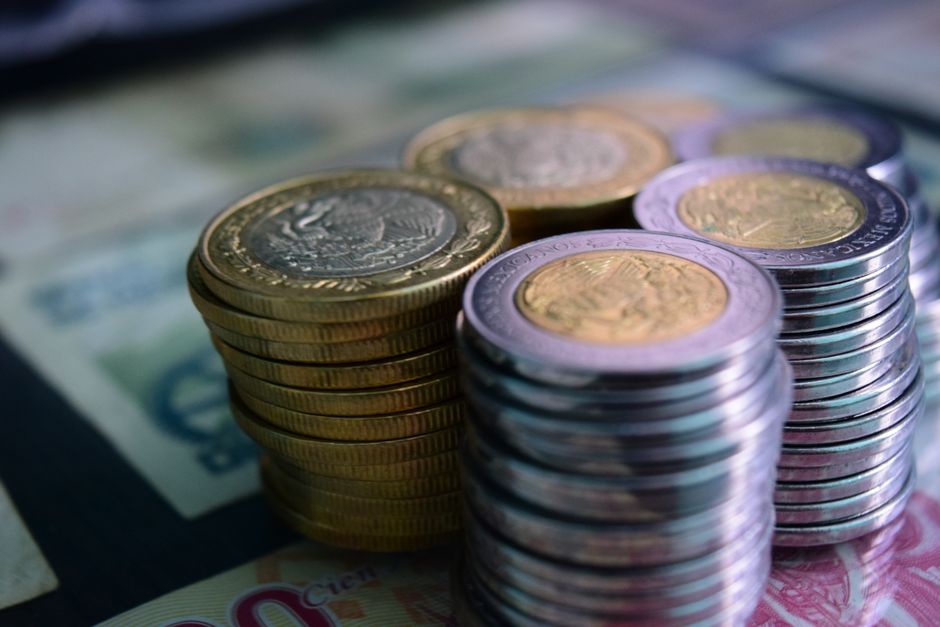
The number every Osaka household should be looking at this morning is 161.34. That is how many yen it costs to buy one US dollar today, with the currency down 0.28 percent in Friday trade. For anyone buying imported goods, booking a foreign holiday or paying tuition fees for a child studying abroad, that rate matters far more than the Nikkei's headline gain. The yen has not been this weak against the dollar in recent memory, and there is no firm floor in sight. Every trip to the supermarket in Namba or Shinsaibashi is a quiet reminder of what a soft currency actually costs in daily life.
The Nikkei 225 closed at 69,744, up 0.40 percent, which sounds like good news for anyone holding a corporate pension or individual stock account. And in narrow terms it is. Japan's export-heavy blue chips, the Toyotas, the Fanuc machines, the Keyence instruments, all benefit when the yen weakens because their overseas revenues convert back to more yen. A Osaka-based worker with a pension invested in a domestic equity fund has, on paper, seen that portion of their retirement pot edge higher. But the gain is partly illusory: if prices at the pump, in the grocery aisle and on the electricity bill keep rising because Japan imports nearly all of its energy and much of its food, the purchasing power of those nominal gains erodes quietly in the background.
Gold and Oil Tell Two Very Different Stories
Gold hit $4,187 per troy ounce today, a gain of 4.10 percent in a single session. That is not a routine move; it signals that large pools of institutional money are hunting for something they trust. The signal embedded in gold's surge is unease: about global debt levels, about currency stability, about the durability of the equity rally running on Wall Street. The S&P 500 jumped 1.71 percent to 7,483 and the Nasdaq Composite rose 1.87 percent to 25,833, strong sessions both, yet gold rising sharply alongside equities rather than in place of them suggests investors are hedging rather than simply celebrating. For an Osaka resident with any exposure to globally balanced pension funds, this divergence is worth tracking. Gold-linked funds and ETFs listed in Tokyo have historically attracted attention from retail investors in exactly these conditions.
Oil is telling the opposite story. WTI crude fell 2.78 percent to $68.78 a barrel. For Japan, which imports virtually every drop of crude it burns, cheaper oil is unambiguously welcome. Petrol prices at stations along the Hanshin Expressway should, if the move holds, ease slightly over the coming weeks once the drop works its way through refinery margins and retail pricing. Electricity bills, which hit households hard through much of 2024 and 2025, are also linked over time to energy input costs. A sustained dip in crude below $70 would provide genuine relief to Kansai Electric Power customers in the Osaka metropolitan area.
Bitcoin rose 6.66 percent to $62,456. A gain of that size in a single day is a reminder of how different crypto remains from every other asset class in this snapshot. Younger Osaka residents, particularly those in their twenties and thirties who have been drawn to crypto exchanges registered under Japan's Financial Services Agency, should treat this not as confirmation of a trend but as a data point. Japan's FSA-registered exchanges operate under some of the world's tighter retail protections, but leverage and volatility remain the defining characteristics of the asset. A 6.66 percent daily move sounds thrilling on the way up. The same arithmetic works in reverse.
The practical checklist for an Osaka resident reviewing their finances this weekend is short but serious. First, if you hold a foreign currency deposit, particularly in US dollars, at a regional bank or at Japan Post Bank, the 161.34 rate means converting back to yen now returns less than it did six months ago. Second, if your defined contribution pension, a DC nenkin account of the kind now common among workers at Osaka-based manufacturers and service companies, defaults to a balanced or domestic equity fund, check whether it has any commodity or inflation-linked allocation. Third, for those with fixed-rate mortgages on Osaka property, the news is genuinely benign: the Bank of Japan's rate trajectory remains cautious, and nothing in today's market data suggests an imminent shock to the domestic bond market that would force mortgage rates sharply higher.
The Nikkei near 69,744 is not a bubble call or an all-clear. It is an index doing exactly what Japan's export economy tends to do when the yen is soft: it reflects higher translated earnings. The question for residents is whether those paper gains in their pension statements keep pace with what it actually costs to live in one of Japan's most expensive cities. Today's data suggests the gap is narrowing, but not closing.