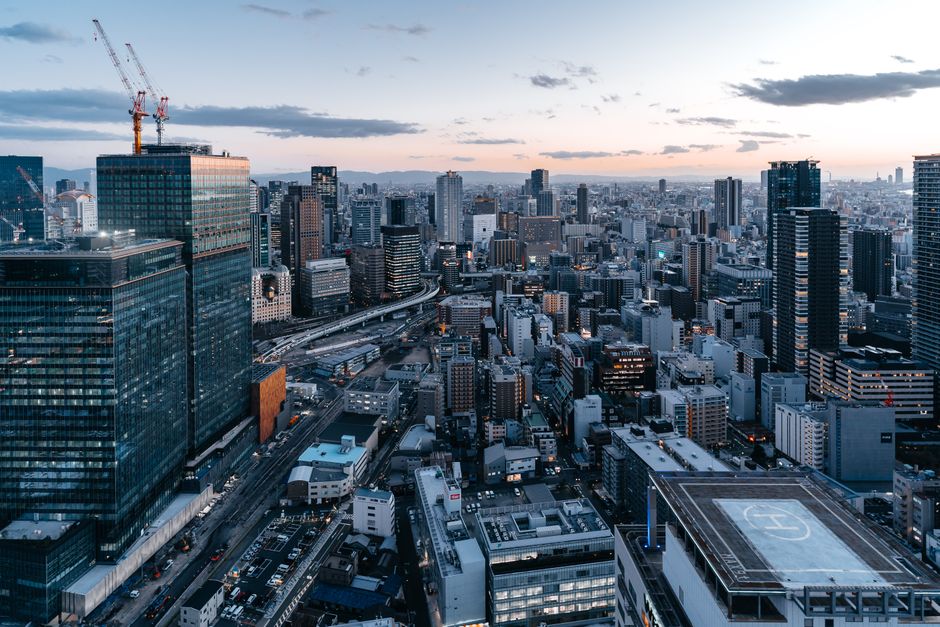
Vacancy rates along Shinsaibashi-suji, the retail corridor that bisects Osaka's Chuo Ward, climbed to 8.4 percent in the second quarter of 2026 — the highest recorded since 2012 — according to figures compiled by the Osaka Chamber of Commerce and Industry released late last month. The number signals something that traders along the strip have felt for months: the post-Expo 2025 bounce is wearing off faster than city planners had hoped.
The timing matters because Osaka staked considerable political capital on the Yumeshima expo leaving a durable economic legacy. Municipal projections issued in 2024 forecast sustained annual visitor growth of 6 percent through 2027. The reality in mid-2026 looks considerably messier. Inbound tourism remains strong in volume, but spending per visitor has stalled as a slightly stronger yen — the dollar slipped to around ¥147 in late June — trims the extravagant margins that retailers and hoteliers enjoyed when the currency was closer to ¥158. Meanwhile, domestic consumers remain cautious, with household spending in the Kinki region down 1.2 percent year-on-year in May, according to the Ministry of Internal Affairs and Communications.
The Cost Squeeze Biting Hardest in Osaka's Mid-Market
Construction costs are the headline problem for property developers. Steel and concrete prices in the Osaka metropolitan area have risen roughly 18 percent since January 2025, driven partly by post-quake rebuilding demand elsewhere in Asia and persistent logistics friction across the Sea of Japan. Several mixed-use developments around Fukushima Ward — positioned as the city's next creative-quarter district — have had groundbreaking ceremonies pushed back into 2027. At least two projects near JR Noda Station have been quietly shelved pending financing reviews, according to planning documents filed with Osaka City Hall.
The labour market is tightening in ways that compound the problem. The effective job-to-applicant ratio in Osaka Prefecture stood at 1.31 in May, but that headline figure masks acute shortages in construction, logistics and food service. The Osaka Labour Bureau's June data show average monthly wages for full-time workers in the city rose 3.1 percent year-on-year — welcome for employees, but a margin-compressor for small operators in Namba and Tennoji who cannot pass costs through to price-sensitive customers.
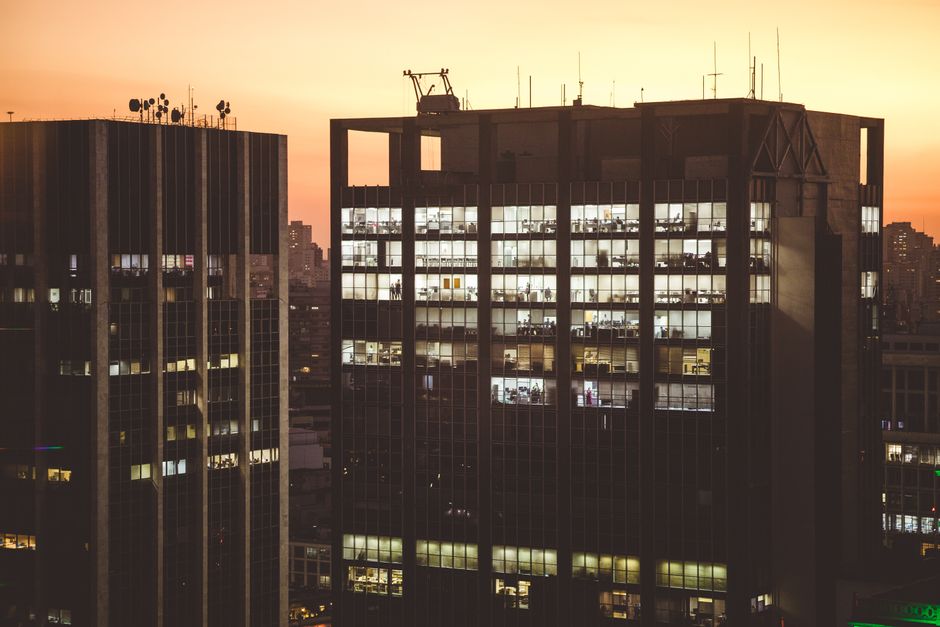
The co-working sector tells its own story. Spaces such as those operated by cross_coop in Umeda and the Osaka Innovation Hub in Nakanoshima have waiting lists for fixed desks stretching past October, because small enterprises are downsizing leases rather than committing to five-year contracts. Landlords in Grade-B office blocks along Midosuji are quietly offering rent-free periods of up to three months to retain tenants — a concession essentially unheard of during 2023 and 2024.
What Businesses Should Expect in the Second Half
The Bank of Japan's policy trajectory remains the single biggest variable. If the BoJ raises its policy rate again before December — governor Kazuo Ueda has kept markets guessing since a 0.25-point move in March — borrowing costs for Osaka's highly leveraged property developers will rise further. The Kinki Real Estate Association warned in its June bulletin that a second rate increase could tip at least a dozen mid-sized developers into covenant breach on existing loans.
Enterprises looking for support have a few concrete options. The Osaka Prefecture Small and Medium Enterprise Support Center in Honmachi is running an emergency advisory programme through September 30, offering subsidised financial planning sessions for firms with fewer than 100 employees. The city's Digital Transformation Grant — ¥500,000 per qualifying business — remains undersubscribed, with roughly 40 percent of the fiscal 2026 budget allocation still unclaimed as of June 27.
The structural story for Osaka is not collapse. Kansai International Airport passenger numbers are running 9 percent ahead of the same period in 2024, and semiconductor-linked manufacturing in the wider Keihanshin corridor is holding up. But the easy gains from post-pandemic revenge spending and expo hype are gone. What replaces them — cautious adaptation, selective investment, and a harder-nosed conversation about which parts of the city's economy actually pay — is the work of the next 18 months.