wellness
Osaka Combats Loneliness Epidemic Through Community Gathering Spaces
As Japan's isolation crisis deepens, researchers and community groups say the antidote may be hiding in the city's own streets, shotengai arcades, and neighbourhood bathhouses.
Listen in English · 5 min
How we reported this
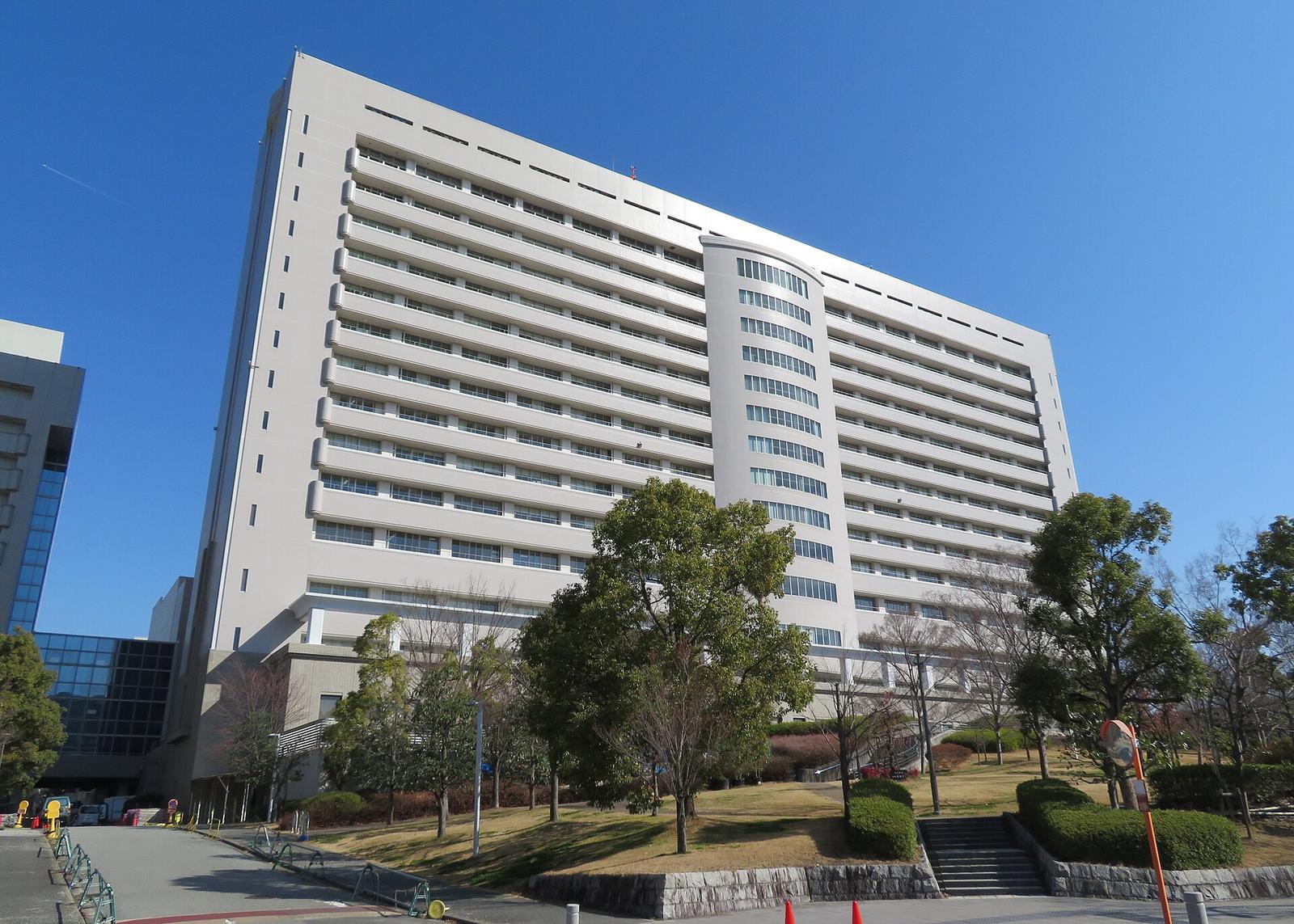
Japan's Cabinet Office put a number to the silence last year: roughly 1 in 6 adults reported chronic loneliness in the 2025 National Survey on Loneliness and Isolation, a figure that has barely shifted since the government appointed a Minister of Loneliness in 2021. In Osaka, where more than 2.75 million people live pressed together across wards from Namba to Tsuruhashi, the paradox is especially sharp. Density does not equal connection.
The timing matters. Hormonal health, sleep quality and chronic stress are finally getting mainstream attention, discussion of how HRT, melatonin and cortisol interact with mental wellbeing has surged in recent months. But endocrinologists and psychiatrists at Osaka University Hospital in Suita increasingly point to something that predates any prescription: the quality of a person's social bonds. Loneliness elevates cortisol, disrupts sleep architecture, and is associated with a 29 percent higher risk of heart disease, according to a 2023 meta-analysis published in Heart journal covering 181 studies. No supplement closes that gap.
The Shotengai Effect: Why Covered Arcades Matter More Than You Think
Osaka's shotengai, covered shopping streets, have long functioned as accidental wellness infrastructure. Tenjinbashisuji Shopping Street, stretching 2.6 kilometres through Kita Ward and widely cited as the longest covered arcade in Japan, sees tens of thousands of pedestrians daily. Regulars at the tofu stalls and kissaten coffee shops know their neighbours by name. That kind of low-stakes, repeated social contact, what sociologists call "weak ties", has measurable effects on mood and self-reported wellbeing.
The Osaka Municipal Government's Chiiki Welfare Department has been funding a programme called Tsunagari Café since April 2024, operating out of community centres in Nishiyodogawa and Higashinari wards, two areas flagged in city welfare data as having high concentrations of single-person households over age 60. Entry is free. Volunteers serve tea and run simple board games on Tuesday and Thursday afternoons. Attendance has grown from 40 participants per month at launch to over 180 by March 2026, according to the department's quarterly report.
The Tennoji district tells a different story among younger residents. Coworking spaces around the Osaka Metro Tanimachi Line corridor, including Shindaico Base in Tennoji Ward, have added what they call "connection programming": structured lunch gatherings with a ¥500 cover charge, deliberately designed to break the headphone-in isolation that defines solo remote work. The logic is borrowed from social prescribing models piloted in Glasgow and Tokyo's Shibuya Ward, where GPs formally recommend community activities alongside, or instead of, medication for mild-to-moderate depression and anxiety.
What the Research Actually Says About Social Prescribing
Social prescribing, the practice of linking patients to community activities rather than defaulting to pharmacological treatment, has a growing evidence base. A 2024 review by the WHO Regional Office for the Western Pacific found that structured social referral programmes reduced self-reported loneliness scores by an average of 21 percent after 12 weeks. Japan's own Ministry of Health, Labour and Welfare began pilot schemes in five prefectures in fiscal year 2025, with Osaka Prefecture among them.
Local sento, public bathhouses, are also part of this conversation. Tsurumi-yu in Tsurumi Ward and Sakuragawa Onsen near Namba both run community days on weekday mornings where the bath fee drops to ¥200 for pensioners. The social ritual of the sento, which has been declining nationally since the 1970s, turns out to have protective qualities: researchers at Kyoto University published a study in January 2025 linking regular sento attendance with lower depression screening scores among over-65s in urban Kansai.
None of this replaces professional mental health care. Anyone experiencing persistent low mood, anxiety, or social withdrawal should speak with a physician or a certified clinical psychologist, Osaka City's mental health consultation line, reachable at 06-6923-0100, offers free initial guidance in Japanese on weekdays. What the evidence does suggest is that the walk to the shotengai, the Tuesday café, the ¥200 soak, these are not trivial indulgences. They are, in measurable ways, medicine.